mizuky.com
  • Explore Japan - Picture Puzzle
  • English
  • 日本語
  • 中文

An Illustrated Japan / Ehime / Famous Views

Sada Misaki

Sada Misaki

Also written: 佐田岬 · 贞崎

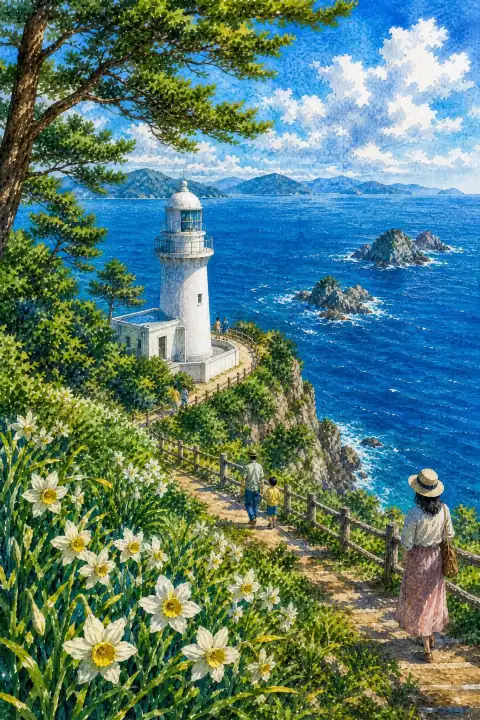
The westernmost tip of Shikoku, a long peninsula. The contrast of blue sea and a white lighthouse is stunning, and on clear days you can see all the way to Kyushu.

Ehime Shikoku Famous Views
← Previous Gallery Cafe Koke-en Next → Itoyama Park
Download on the App Store

About this place

The westernmost tip of Shikoku, a long peninsula. The contrast of blue sea and a white lighthouse is stunning, and on clear days you can see all the way to Kyushu. Sada Misaki longest narrowest peninsula Japan called Misaki 13-ri about 40-50km, minimal width 0.8km max 6.4km, ria coast separated Seto Inland Iyo-nada and Uwa Sea. Tip lighthouse lit 1918 white concrete tower 18m focal height 48.7m range 19 nautical miles about 35km to Saganoseki, group flashing white 3 flashes per 20 seconds third-order Fresnel lens 250,000 candela, registered tangible cultural property 2017. Westernmost monument and 200m further Mikago Oshima westernmost island marker, remnants of 12 Toyo Fortress batteries built 1924 abandoned 1945 renovated for tourism 2017, monument of eternal light framing lighthouse from east, 25-minute undulating walk from parking past campground, view from Tsubakiyama Observatory selected Shikoku 88 View No.52, melody road Route 197 with musical road surface.

Why this place is famous goes beyond scenery to encompass layered stories of human coexistence with rugged nature. Historically, mountain worship, Heian and Edo period settlement patterns, feudal administration and modern conservation have together shaped its present form. In many cases, names recorded in ancient documents like Nihon Ryoiki or Engishiki indicate long-standing sacredness, while folklore about exiled Heike warriors or enlightened monks such as Kukai adds cultural depth.

Natural characteristics are remarkably specific. The interplay of geology, water, and vegetation creates contrasts that change with the seasons. Spring brings fresh greenery and flowers such as rapeseed blossoms or Somei-Yoshino cherry and azalea, early summer brings hydrangea and deep forest shade, autumn transforms slopes into brocade of red, orange and gold with crisp air enhancing visibility for dozens of kilometers, and winter offers silvery frost, snow-capped rocks and crystalline air ideal for contemplative photography. Best times to visit are early morning when unkai sea of clouds forms or the hour before sunset when low-angle light gilds cliffs and sea.

To enjoy it fully, start with a slow walk along maintained trails, pause at observation decks to inhale saline or forest breezes, listen to local guides describing geological timelines measured in millions of years and human stories spanning centuries. Bring comfortable shoes because some paths include uneven granite or slippery moss, carry water and respect restricted zones that protect delicate moss or terraced fields. Photographers should aim for low tides for mirror reflections, use wide-angle lenses to include both sky and ground, and capture silhouetted figures to convey scale.

Access is practical from major Shikoku cities. From Matsuyama, Tokushima or Takamatsu, it takes one to two hours by car or combination of limited express and bus, plus ropeway, rent-a-cycle or short hike for the final approach. Many visitors combine several spots along the Shimanami Kaido, Shikoku Karst Sky Road or historical pilgrimage routes. Nearby, family-run eateries serve local citrus, grilled seafood, handmade soba or Uwajima-style tai-meshi, while Michi no Eki roadside stations sell citrus juices, stone crafts, and moss-themed souvenirs. A nearby onsen provides recovery after walking.

Tips for memorable photos include checking tide charts, sunset calendars, and cloud-cover forecasts, arriving thirty minutes early to secure a quiet spot, and framing structures such as torii, vine bridges or lighthouses against expansive backgrounds. Repeated visits reward subtle changes in light and season, offering quiet personal time away from crowds and a renewed appreciation for Japan's compact yet immense natural diversity.

More from Famous Views

See all of Ehime →

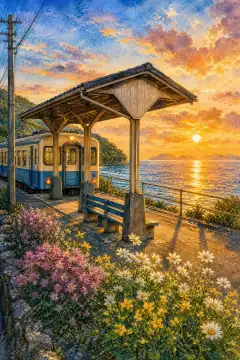
Shimonada Station

Shimonada Station

下灘駅

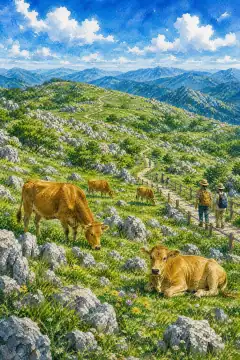
Shikoku Karst

Shikoku Karst

四国カルスト

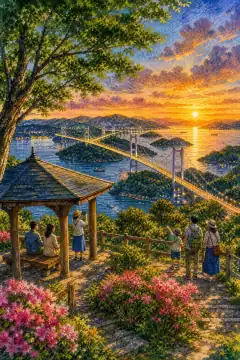
Kame-ro-yama Observatory Park

Kame-ro-yama Observatory Park

亀老山展望公園

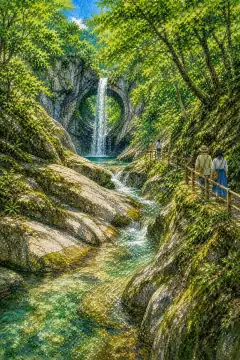
Nametoko Gorge

Nametoko Gorge

滑床渓谷

Omogawa Gorge

Omogawa Gorge

面河渓

Suiha Kogen

Suiha Kogen

翠波高原

Ishizuchi Mountain

Ishizuchi Mountain

石鎚山

Gallery Cafe Koke-en

Gallery Cafe Koke-en

ギャラリー喫茶 苔筵

Itoyama Park

Itoyama Park

糸山公園

Explore Japan - Picture Puzzle
  • Privacy Policy
  • Terms of Service
  • Support
  • Back to top