Mizuky Workshop / An Illustrated Japan / Shikoku / Ehime
Ehime
40 illustrations · 愛媛県 · 爱媛县 · 愛媛縣
Ehime Prefecture occupies northwestern Shikoku, facing both the Seto Inland Sea and the Uwa Sea while harboring Mt. Ishizuchi at 1,982 meters as western Japan's highest summit. With about 1.246 million residents centered on Matsuyama City, it is Japan's citrus kingdom producing iyokan, ponkan and dekopon, famed for Dogo Onsen hot springs, hilltop Matsuyama Castle and the Shimanami Kaido international cycling route. Gentle climate, Imabari towel craftsmanship and island dotted seascapes create a mellow productive region where bathhouse literati heritage meets modern aquaculture and shipbuilding pride.
An Illustrated Japan

Famous Views
The sights a prefecture is known for — the ones on the postcards, and a few that should be.
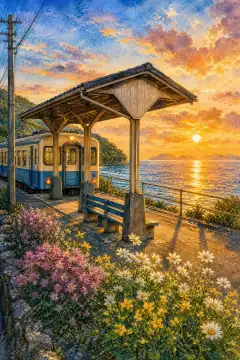
Shimonada Station
下灘駅
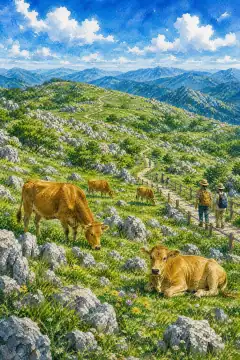
Shikoku Karst
四国カルスト
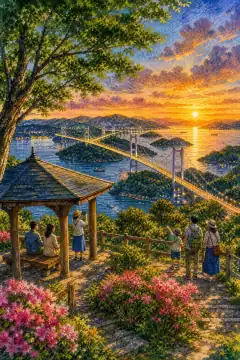
Kame-ro-yama Observatory Park
亀老山展望公園
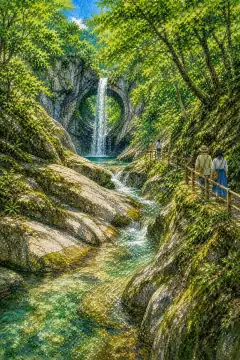
Nametoko Gorge
滑床渓谷
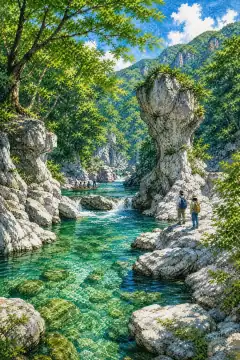
Omogawa Gorge
面河渓
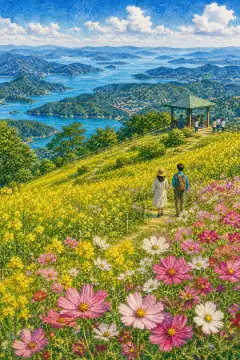
Suiha Kogen
翠波高原
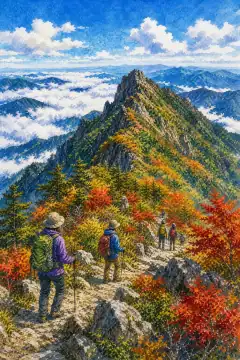
Ishizuchi Mountain
石鎚山
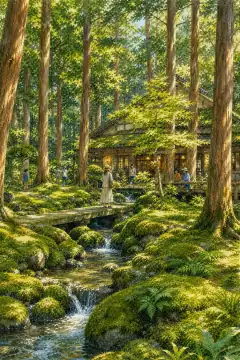
Gallery Cafe Koke-en
ギャラリー喫茶 苔筵
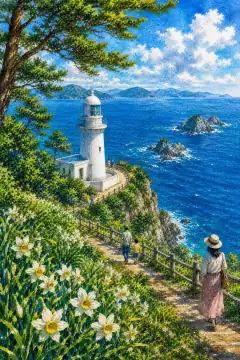
Sada Misaki
佐田岬
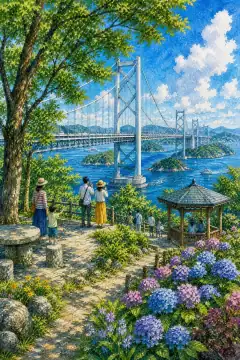
Itoyama Park
糸山公園
An Illustrated Japan
Townscape & Scenery
Streets, harbours, hillsides: the places that give a prefecture its face.
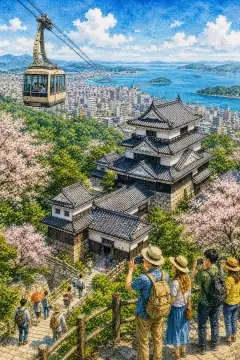
Matsuyama Castle
松山城
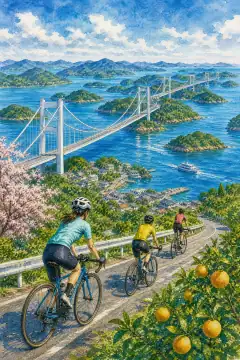
Shimanami Kaido
しまなみ海道
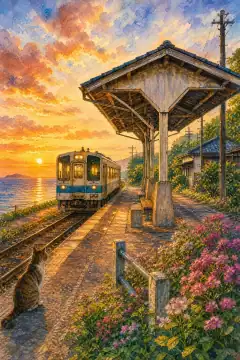
Shimonada Station
下灘駅
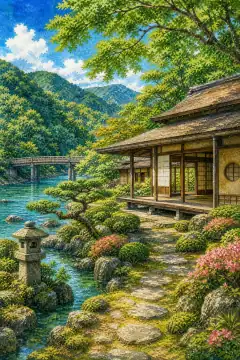
Garyu Sanso (Ōzu)
臥龍山荘(大洲市)
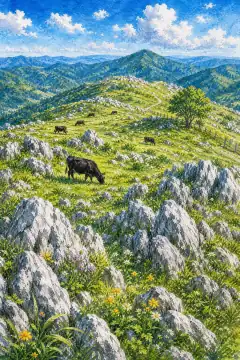
Shikoku Karst Plateau
四国カルスト
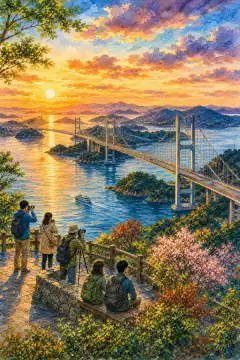
Kiroyama Observatory Park
亀老山展望公園
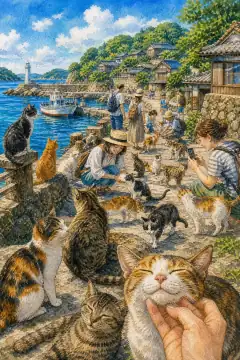
Aoshima (Cat Island)
青島(猫の島)
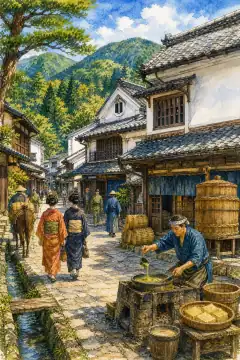
Yokaichi Gokoku District, Uchiko Town
内子町の八日市護国地区
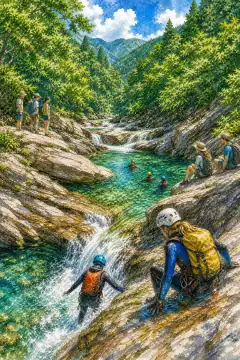
Nametoko Gorge
滑床渓谷
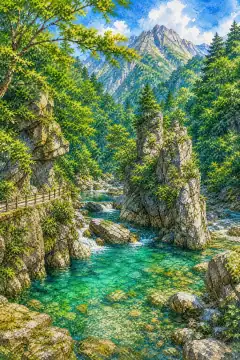
Omogo Gorge
面河渓
An Illustrated Japan
Culture & Tradition
Crafts, festivals, temples and the traditions still practised today.
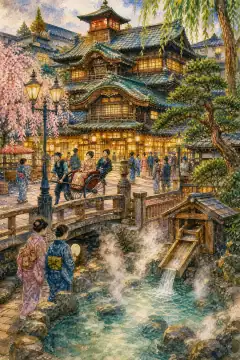
Dogo Onsen
道後温泉
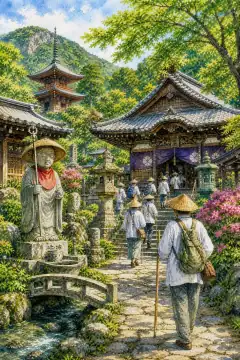
Shikoku Pilgrimage (Ohenro — 88-Temple Circuit)
お遍路(四国八十八ヶ所巡礼)
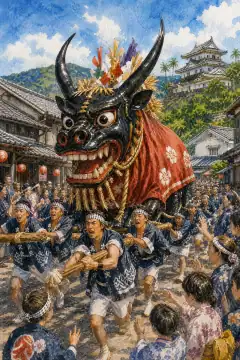
Uwajima Ushioni Festival
宇和島牛鬼まつり
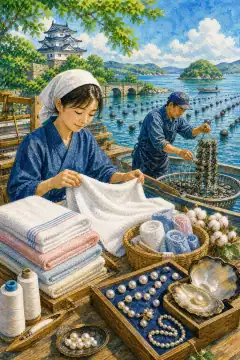
Traditional Crafts (Imabari Towels & Uwajima Pearls)
伝統工芸(今治タオル・真珠)
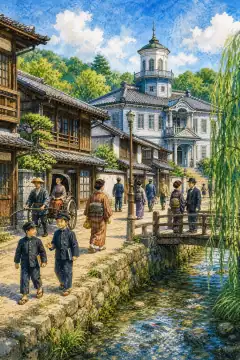
Unomachi Historic Streets (Uwa Town, Ehime)
宇和町卯之町の古い町並み
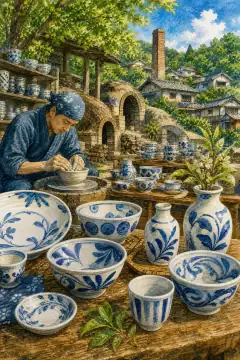
Tobe Ware (Tobe-yaki)
砥部焼
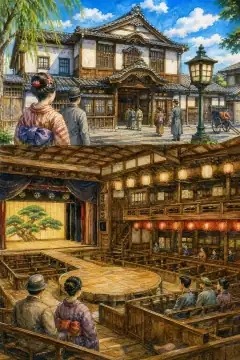
Uchiko-za (Uchiko Theatre)
内子座
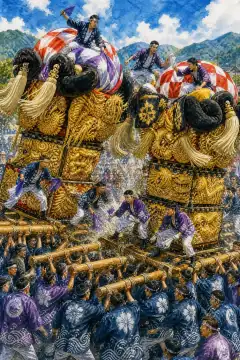
Niihama Taiko Festival
新居浜太鼓祭り
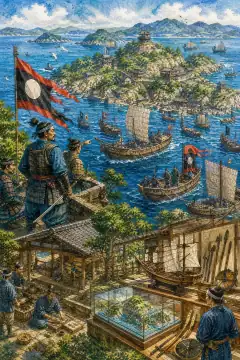
History of the Murakami Pirates (Naval Clan)
村上海賊(水軍)の歴史
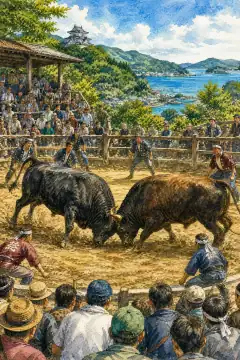
Uwajima Bullfighting
宇和島の闘牛
An Illustrated Japan
Life & Daily
Food, bathhouses, morning routines — what an ordinary day tastes like.
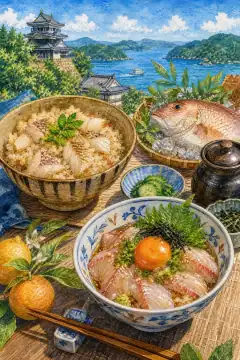
Tai-meshi (Sea Bream Rice)
鯛めし
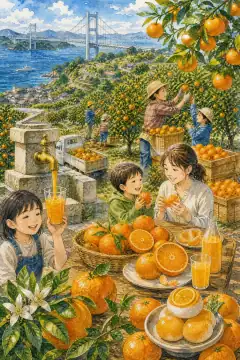
Mikan (Citrus) Culture
みかん(柑橘類)文化
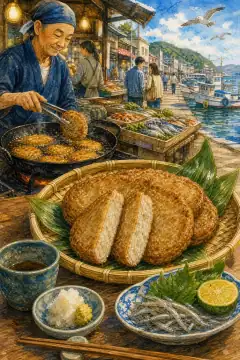
Jakoten (Fried Fish Cake)
じゃこ天
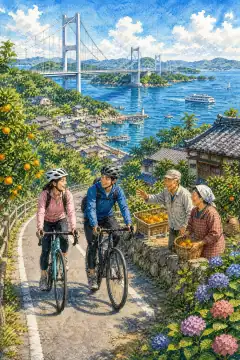
Cycling the Shimanami Kaido
しまなみ海道でのサイクリング
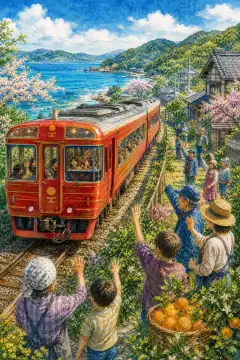
Sightseeing Train "Iyonada Monogatari"
観光列車「伊予灘ものがたり」
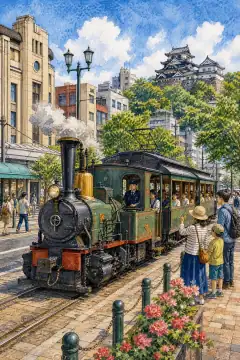
Botchan Train
坊っちゃん列車
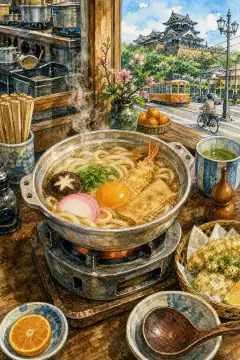
Nabeyaki Udon
鍋焼きうどん
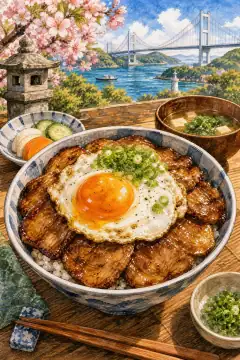
Imabari Yakibuta Tamago-meshi (Roast Pork and Egg Rice)
焼豚玉子飯
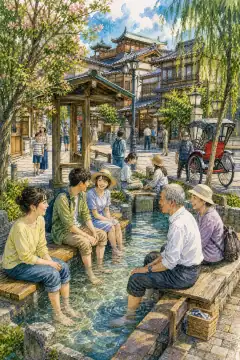
Street Corner Footbaths
街角の足湯
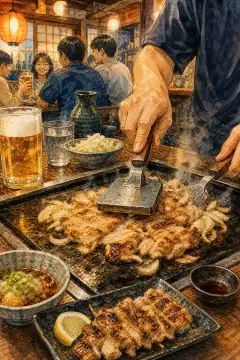
Imabari Yakitori
今治の焼き鳥
About Ehime
Ehime Prefecture spans northwestern Shikoku, measuring 5,675.82 square kilometers, home to roughly 1,246,053 people with its administrative core in Matsuyama City. The Shikoku Mountains capped by Mt. Ishizuchi split the territory into two coastal economies: the northern Seto Inland Geiyo Islands chain scattered like stepping stones toward Hiroshima, and the southwestern Uwa Sea and Bungo Channel coast indented deeply with ria inlets ideal for pearl and fish farming, plus the gigantic limestone plain of Ozu and Seiyo.Once Iyo Province, it appears in earliest chronicles for Dogo Onsen, listed in the Nihon Shoki as visited by Prince Shotoku, ranking among Japan's three oldest hot springs with over 3,000 years of continuity. In early modern times four domains administered the area: Matsuyama led by Matsudaira SadaYuki, Uwajima by Date Hidemune, son of Date Masamune, Ozu and Imabari, each fostering distinct castle towns and port commerce. The Meiji transition merged eight domains into Sekitetsu and Kamiyama Prefectures before redesignation as Ehime in 1873. Kagawa was briefly absorbed in 1876 and detached in 1888, stabilizing today's map.Climate divides neatly: the Seto Inland side is warm, dry, susceptible to drought that actually concentrates sugar in citrus, with mild winters good for open-air markets, while the Uwa Sea side is warmed by the Kuroshio Current, seeing heavy rain and frequent typhoons that generate lush evergreen forest but also landslide risk. Industry leverages Imabari City's dual engine of shipbuilding, one of Japan's three major clusters with over one hundred yards building bulk carriers and ferries, and towel manufacturing that supplies more than sixty percent of national output through advanced water-sparing dye tech and designer collaborations, Niihama's non-ferrous metal smelting and chemical chain originating from Besshi copper mine, and Western Ehime's fisheries pioneering full-cycle bluefin tuna and pearl cultivation, plus citrus processing that produces juices and essential oils.Visitor draws center on Dogo Onsen Honkan, a 19th-century wooden bathhouse with Kami-no-Yu for gods and Tama-no-Yu for spirits, immortalized in Natsume Soseki's novel Botchan through its Botchan Room, and the annex Asuka-no-Yu inspired by imperial architecture, hilltop Matsuyama Castle, one of twelve surviving original keeps with ninja gates and cherry carpets in April, the Shimanami Kaido 70-kilometer cycling expressway bridging seven islands with rest stops for island ice cream and lemon farming, Uchiko's Yokaichi merchant district famed for Japanese wax and Kabuki theater Uchiko-za, Ozu Castle wooden reconstructed by artisanal methods, Uwajima Castle and its springtime bullfighting festivals more ritual than violence. Combined with mikan orchards terraced to sea and small onsen villages, Ehime conveys gentle abundance and craft persistence rather than huge scale.