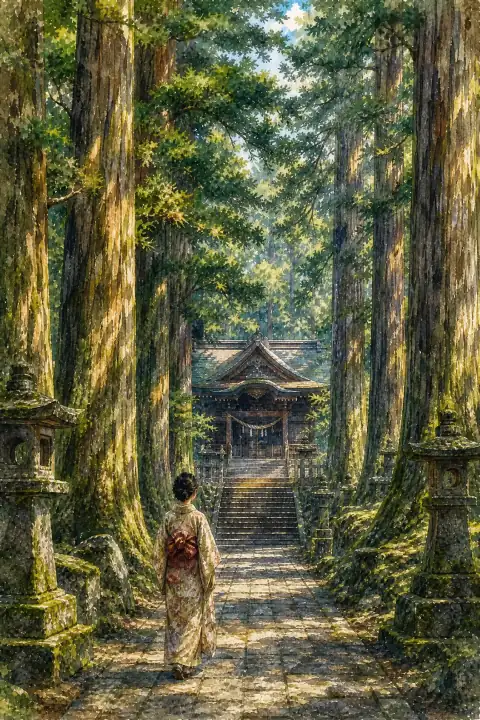
Togakushi Shrine
Also written: 戸隠神社 · 户隐神社 · 戶隱神社
Togakushi Shrine attracts international visitors with a 400-year-old cedar avenue, a mystical atmosphere steeped in local mythology, and historical ties to ninja lore.
An Illustrated Japan

Mizuky Workshop / An Illustrated Japan / Nagano / Culture & Tradition / Togakushi Shrine
Also written: 戸隠神社 · 户隐神社 · 戶隱神社
Togakushi Shrine attracts international visitors with a 400-year-old cedar avenue, a mystical atmosphere steeped in local mythology, and historical ties to ninja lore.
An Illustrated Japan
Togakushi Shrine in Nagano captures how culture & tradition shapes daily life in this part of Japan. The site is not isolated scenery but a working intersection of climate, landform and settlement that has been readjusted over generations. Municipal archives note registrations in early 20th-century cadasters and later reviews in the 1950s-1970s that elevated the site to a recognized scenic and cultural resource. Name origins are explained in folklore collections from the 1960s and in a 1970s investigation of historic documents. Traces of thatched roofs lost in floods, and of earthen walls repainted in successive decades, show adaptation to climate. Boundary markers, local shrine listings and townspeople's oral histories weave the place into a longer settlement story. Geology and microclimate leave legible signatures. Springs hold steady temperatures year-round and continue to support domestic and agricultural use. Caldera rims, fan-shaped urban grids on piedmonts, and terraced slopes demonstrate how constraints became design logic. Broadleaf replanting after the war shaped forests now used for seasonal foraging of wild vegetables and mushrooms, a practice maintained with quiet rules about harvest limits. Everyday economy and ritual still reference the place. Irrigation ponds mapped in Edo-period canal diagrams, terraced fields and simple stone votives or roadside stupas record how work and prayer overlapped. Donation registries in local temples preserve contributor names, connecting current residents to ancestors who rebuilt after fire or flood. The result is a lived landscape where heritage designation protects without freezing life, a nuance often appreciated after staying overnight. Approach the site as part of a small itinerary rather than a quick stop. Pack for variable weather, as passes channel wind and showers develop quickly. Use observation decks and trails rather than shortcutting across fields or groves. Notice stone walls, gate pillars and irrigation intakes that show where common labor was invested. Evening brings quiet as day visitors leave; if you stay nearby, night skies, distant festival drums or a small sake brewery tasting may complete the day. Your considerate use helps maintain the relationship between visitors and residents that has been negotiated over more than a century. Tree species, stone types and water chemistry are documented in volunteer-maintained notes that evolve as seasons shift. Recent stewardship includes multilingual signage and volunteer-led clean-ups that try to keep interpretation accurate without over-explaining.
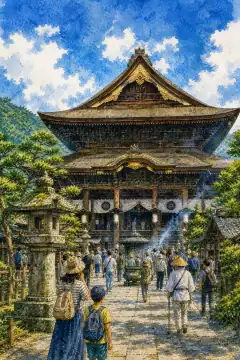
善光寺
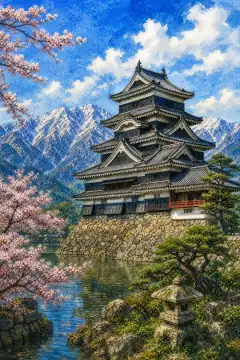
松本城
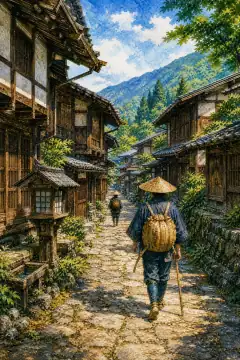
中山道の宿場町(妻籠・馬籠・奈良井)

そば打ち体験
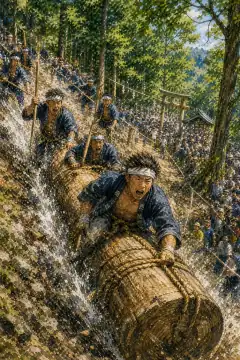
御柱祭 (諏訪大社)
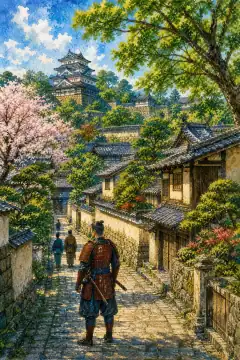
松代の城下町と武家屋敷
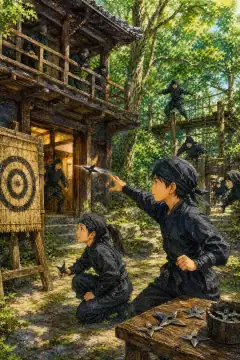
忍者体験 (戸隠流忍法資料館)
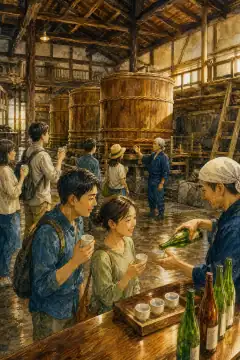
日本酒の酒蔵巡り

木曽漆器