Mizuky Workshop / An Illustrated Japan / Chubu / Nagano
Nagano
40 illustrations · 長野県 · 长野县 · 長野縣
Nagano is a landlocked Chubu prefecture ranking 4th in area at 13,561 sq km with about 1.96 million people and capital Nagano City at 371 m. Known as Shinshu, it is straddled by the Northern, Central and Southern Japan Alps enclosing multi-polar basins, famed for highland resorts, ski jumps, soba, and top health longevity, plus the historic Zenkoji temple town and the 1998 Winter Olympics heritage that shaped winter sports tourism. This prefecture balances nature, history, and modern industry with broad appeal for residents and visitors seeking food specialties, scenic landscapes, and well-preserved cultural heritage.
An Illustrated Japan

Famous Views
The sights a prefecture is known for — the ones on the postcards, and a few that should be.
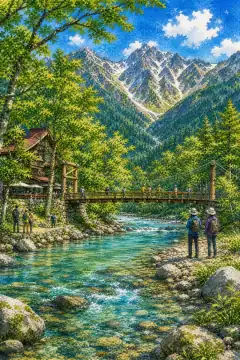
Kamikochi
上高地
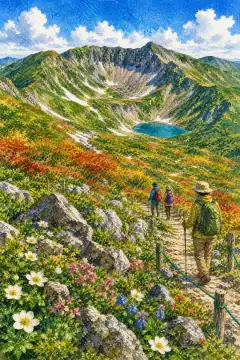
Senjojiki Caldera
千畳敷カール
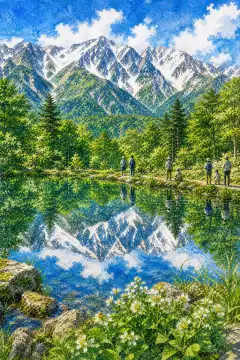
Hakuba Happo Pond
白馬八方池
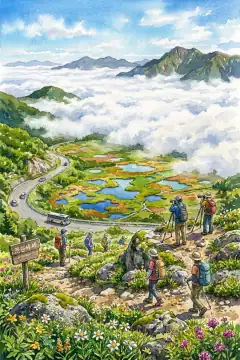
Shibutoge Pass
渋峠
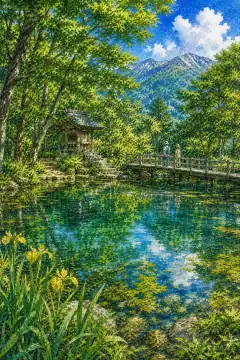
Mishaka Pond
御射鹿池
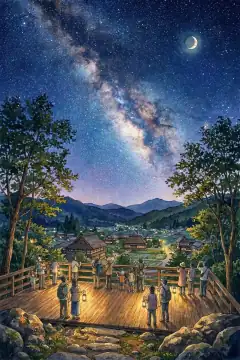
Achi Village Starry Sky
阿智村の星空
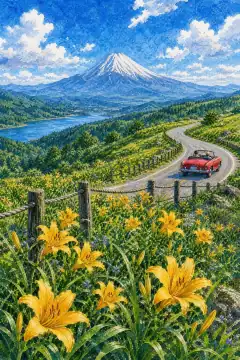
Venus Line
ビーナスライン
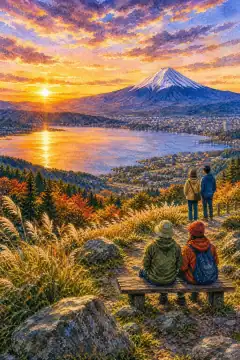
Taka Bocchi Kogen
高ボッチ高原
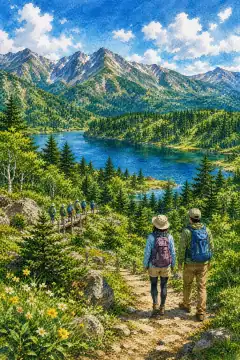
Shiga Kogen
志賀高原
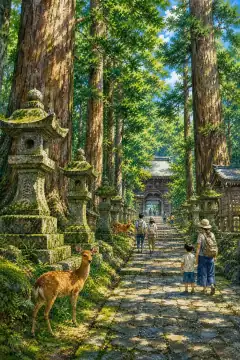
Okusha Shrine Sando
戸隠神社 奥社参道
An Illustrated Japan
Townscape & Scenery
Streets, harbours, hillsides: the places that give a prefecture its face.
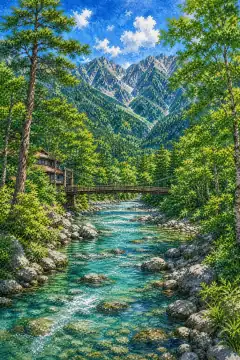
Kamikochi
上高地
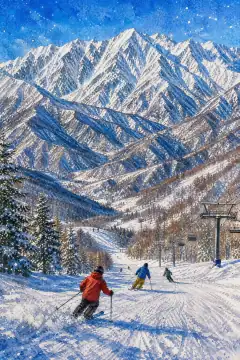
Hakuba Mountain Range
白馬連峰
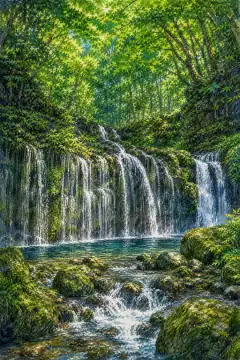
Forests and Waterfalls of Karuizawa (including Shiraito Falls)
軽井沢の森と滝(白糸の滝など)
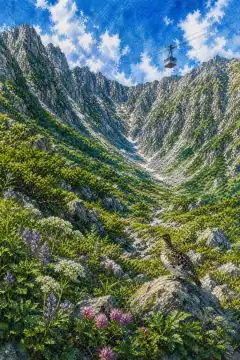
Senjojiki Cirque
千畳敷カール
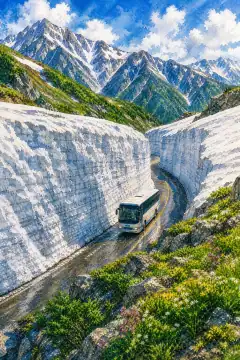
Tateyama Kurobe Alpine Route
立山黒部アルペンルート
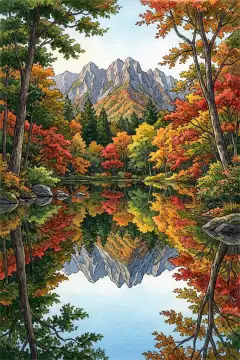
Kagami-ike (Togakushi)
鏡池 (戸隠)
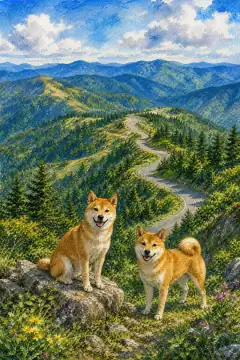
Shibu Pass and Shiga Kogen (Shiga Highlands)
渋峠・志賀高原
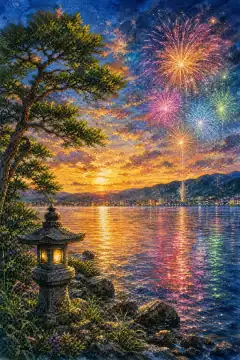
Lake Suwa
諏訪湖
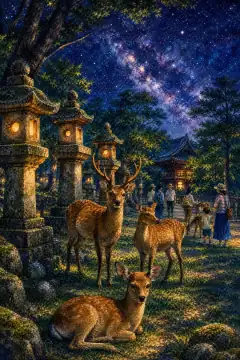
Achi Village Starry Sky
阿智村の星空
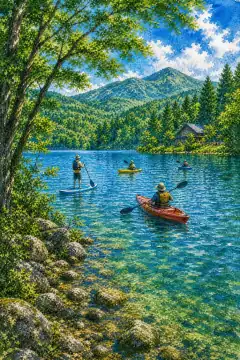
Lake Nojiri
野尻湖
An Illustrated Japan
Culture & Tradition
Crafts, festivals, temples and the traditions still practised today.
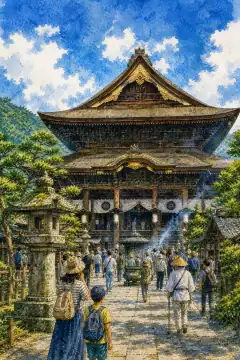
Zenko-ji Temple
善光寺
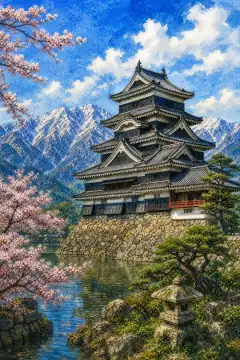
Matsumoto Castle
松本城
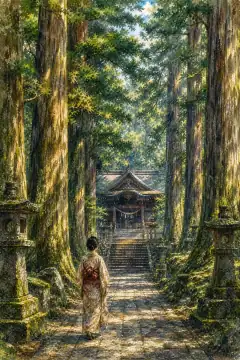
Togakushi Shrine
戸隠神社
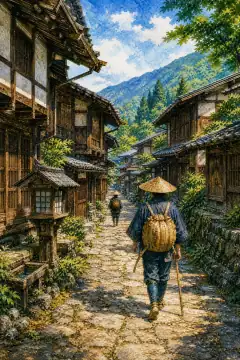
Nakasendō Post Towns (Tsumago, Magome, Narai)
中山道の宿場町(妻籠・馬籠・奈良井)
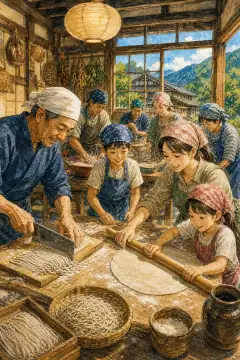
Soba-making Experience
そば打ち体験
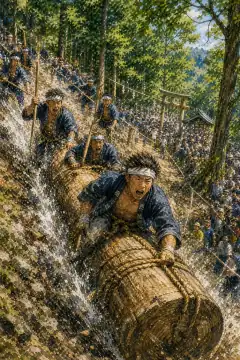
Onbashira Festival (Suwa Taisha)
御柱祭 (諏訪大社)
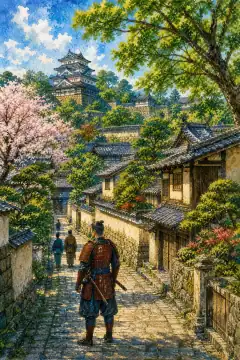
Matsushiro Castle Town and Samurai Residences
松代の城下町と武家屋敷
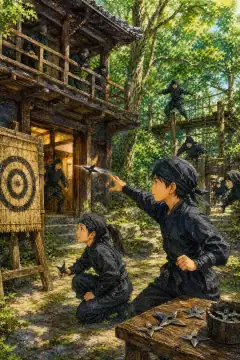
Togakushi Ninja Experience (Togakushi-ryu Ninpo Museum)
忍者体験 (戸隠流忍法資料館)
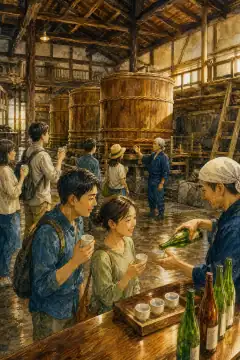
Nagano Sake Brewery Tours
日本酒の酒蔵巡り
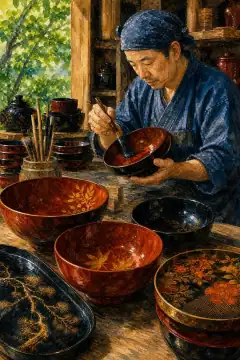
Kiso Lacquerware
木曽漆器
An Illustrated Japan
Life & Daily
Food, bathhouses, morning routines — what an ordinary day tastes like.

Jigokudani Monkey Park (Snow Monkey Park)
地獄谷野猿公苑(スノーモンキー)
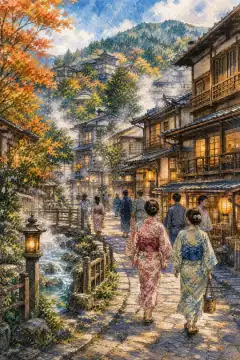
Onsen Culture (Yudanaka, Shibu Onsen, Bessho Onsen, etc.)
温泉文化(湯田中・渋温泉・別所温泉など)
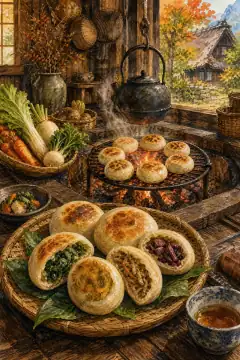
Oyaki (Nagano-style stuffed dumplings)
おやき
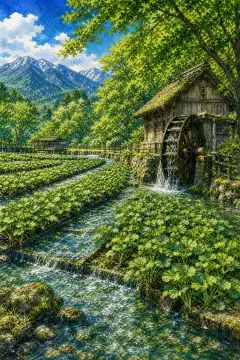
Daio Wasabi Farm
わさび農場(大王わさび農場)
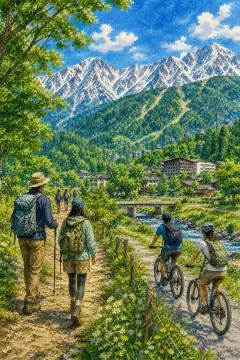
Outdoor Activities at Mountain Resorts (Hakuba & Karuizawa)
山岳リゾートでのアウトドア(白馬・軽井沢)
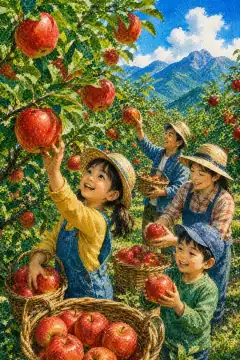
Apple Picking in Shinshu (Nagano)
信州りんご狩り
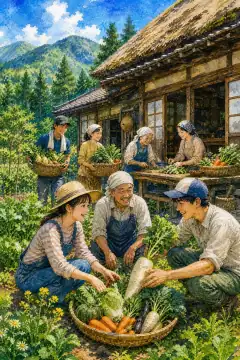
Farmstay (Farmhouse Homestay)
農家民宿(ファームステイ)
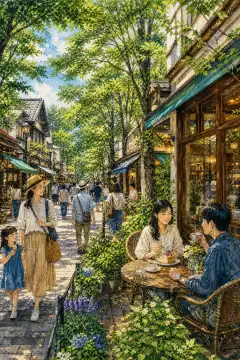
Shopping and Café Hopping in Karuizawa
軽井沢のショッピングとカフェ巡り
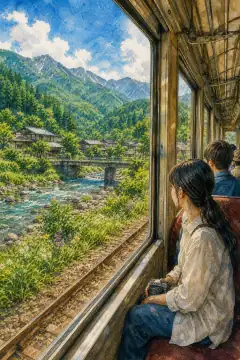
Scenic Local Train Rides (e.g., Shinano Railway)
ローカル線での列車の旅 (しなの鉄道など)
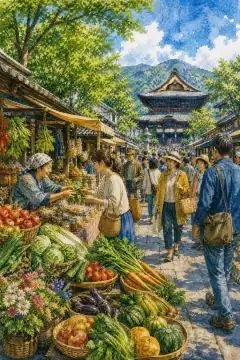
Morning Markets (around Zenko-ji Temple and Karuizawa)
朝市 (善光寺周辺や軽井沢など)
About Nagano
Nagano Prefecture extends about 13,561.56 sq km, fourth largest in Japan, with roughly 1.96 million residents (2.04 million in 2020 Census), governed from Nagano City at 371 m elevation with about 380,000 people. Located in central Honshu Koshinetsu, it borders eight prefectures — Gunma, Saitama, Niigata, Toyama, Yamanashi, Gifu, Shizuoka, Aichi — most borders of any prefecture. No sea access, dominated by three Japan Alps ranges on borders enclosing basins Nagano Zenkoji Plain, Matsumoto, Ueda, Saku, Suwa with Lake Suwa, Ina Valley. Peaks over 3,000 m include Mt. Yarigatake 3,180 m, Mt. Hotaka. Region corresponds to Shinano Province, also Shinshu, anciently Shina no, extinct plains etymology. Nakasendo highway crossed it linking east and west Japan, leaving post towns Magome-Tsumago, Narai-juku. Established 1871 from Nakano Prefecture renamed Nagano and moved to Nagano Village at Zenkoji temple town, then 1876 absorbed Chikuma Prefecture Shinano portion to reach current shape, including Kiso Valley formerly Mino. Climate inland Central Highland type but diverse: northern and eastern parts show Sea of Japan heavy snow including special heavy snow zones like Iiyama, Otari with 500 cm snow, central and southern show Pacific influence, high plateaus Karuizawa 1,000 m, Shiga Kogen 2,000 m, Sugadaira, Kaida Kogen 1,100 m, Kamikochi 1,500 m subarctic Df winter lows below -20 C, basins hot summers over 30 C almost no tropical nights. Annual precipitation varies 900 mm small Kiso to 2,000 mm northern mountains. Industry includes precision machinery Seiko Epson in Suwa, Nidec, information equipment, highland agriculture Shinshu apples, lettuce top share, buckwheat, wine, sake, miso. Nagano ranks top longevity and health expectancy due diet and exercise. Tourism stars Zenkoji Temple founded 644 with 7 million visitors annually and 6-year Gokaicho, Matsumoto Castle national treasure black crow castle, Kamikochi alpine valley Taisho Pond, Karuizawa resort historically favored by foreign missionaries and John Lennon family, Togakushi ninja village, Shibu Onsen, Hakuba ski resorts host 1998 Olympics alpine events, Jigokudani Monkey Park where snow monkeys bathe in hot springs behavior nationwide fame. 1998 Winter Olympics, Paralympics boosted winter sports infrastructure and Nagano Shinkansen now Hokuriku Shinkansen. Tourism and industry coexist with deep cultural traditions preserved for centuries offering visitors nature, history, and cuisine year-round. Gastronomy features Shinshu soba, wasabi from Azumino, oyaki dumplings, and sake breweries using snowmelt water. Onsen towns like Nozawa Onsen, Shibu Onsen, and Bessho Onsen complement skiing. National parks include Joshinetsu Kogen with autumn colors, and museums preserve local folk art. Eco-tours to monkey parks emphasize coexistence ethics. Combined attractions make it suitable for first-time and repeat visitors year-round with efficient public transport and well-signed hiking routes.