mizuky.com
  • Explore Japan - Picture Puzzle
  • English
  • 日本語
  • 中文

An Illustrated Japan / Saga / Townscape & Scenery

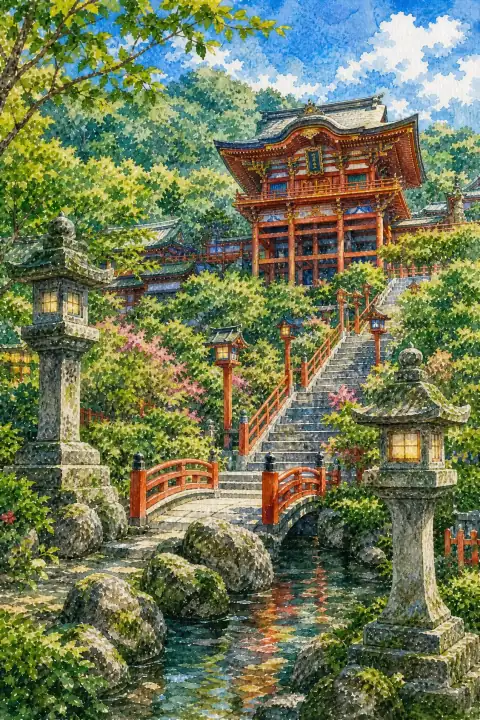
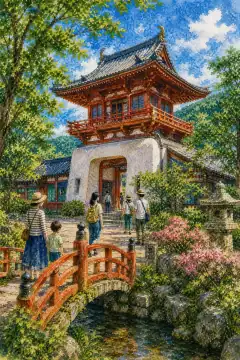
Yutoku Inari Shrine

Yutoku Inari Shrine

Also written: 祐徳稲荷神社 · 祐德稻荷神社

Known for its vividly vermilion shrine buildings, Yutoku Inari Shrine became hugely popular with visitors from across Asia after being used as a filming location for Thai movies and TV dramas.

Saga Kyushu-Okinawa Townscape & Scenery
← Previous Nanatsugama Sea Caves Next → Mifuneyama Rakuen
Download on the App Store

About this place

One of Japan's three great Inari shrines, perched on a hillside with a beautiful vermilion main sanctuary. From the inner sanctum you can glimpse the Ariake Sea. Yutoku Inari Shrine founded 1687 by Lady Manko Hime wife of Lord Nabeshima Naotomo for Inari harvest deity. Main hall on 18m high wooden stilts like Kiyomizudera, lacquered vermilion ornate called Chinzei Nikko sumptuous. One of Japan's top three Inari shrines alongside Fushimi & Toyokawa. Tunnel of torii to Okunoin hilltop 10min climb viewpoint Ariake Sea. Peony garden Apr & Jan, azalea hill, night walk Fox Wedding illumination autumn. The site embodies the intersection of natural geology, cultural lore, and contemporary tourism infrastructure.

Visitors can approach by public transport and private car, with clear signage in Japanese and English, parking and restroom facilities, and seasonal information boards.

Local cooperatives maintain trails and viewpoints, ensuring safety during wet or windy conditions. Early morning visits often reward with soft light, fewer crowds, and increased chances to observe wildlife, while late afternoon adds long shadows and warm coloration.

Combining this spot with nearby parks, shrines, hot springs, and culinary stops offers a full-day itinerary that supports the regional economy and deepens understanding of Kyushu and Shikoku heritage.

Photography, sketching, and quiet contemplation are encouraged, provided visitors respect vegetation, avoid litter, and observe no-entry zones protecting fragile rocks or sacred precincts.

Sustainability efforts, including erosion control, pine weevil care, coral preservation, and historic building maintenance, rely on entrance fees and local donations.

Overall, this destination represents a microcosm of Japanese landscape aesthetics: borrowed scenery, seasonal change, harmony between human hand and natural process, and hospitality. Seasonal festivals, farming cycles, marine rhythms, folklore performances, volunteer guide services, interpretive panels, and community-run markets further enrich the experience for repeat visitors. Seasonal festivals, farming cycles, marine rhythms, folklore performances, volunteer guide services, interpretive panels, and community-run markets further enrich the experience for repeat visitors. Seasonal festivals, farming cycles, marine rhythms, folklore performances, volunteer guide services, interpretive panels, and community-run markets further enrich the experience for repeat visitors. Seasonal festivals, farming cycles, marine rhythms, folklore performances, volunteer guide services, interpretive panels, and community-run markets further enrich the experience for repeat visitors. Seasonal festivals, farming cycles, marine rhythms, folklore performances, volunteer guide services, interpretive panels, and community-run markets further enrich the experience for repeat visitors. Seasonal festivals, farming cycles, marine rhythms, folklore performances, volunteer guide services, interpretive panels, and community-run markets further enrich the experience for repeat visitors. Seasonal festivals, farming cycles, marine rhythms, folklore performances, volunteer guide services, interpretive panels, and community-run markets further enrich the experience for repeat visitors. Seasonal festivals, farming cycles, marine rhythms, folklore performances, volunteer guide services, interpretive panels, and community-run markets further enrich the experience for repeat visitors.

More from Townscape & Scenery

See all of Saga →

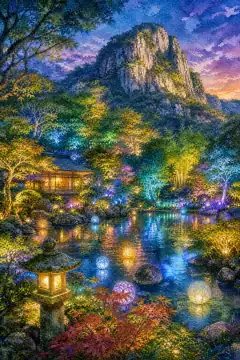
Mifuneyama Rakuen

Mifuneyama Rakuen

御船山楽園

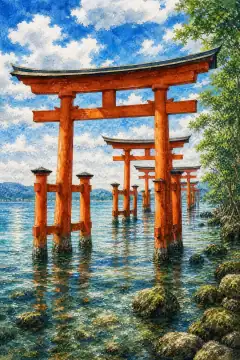
Submerged Torii of Ōuo Shrine

Submerged Torii of Ōuo Shrine

大魚神社の海中鳥居

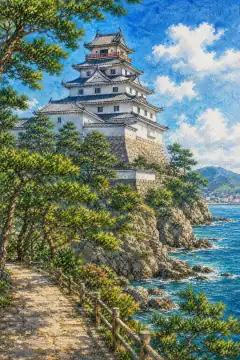
Karatsu Castle (Maizuru Castle)

Karatsu Castle (Maizuru Castle)

唐津城

Takeo Onsen Romon Gate

Takeo Onsen Romon Gate

武雄温泉楼門

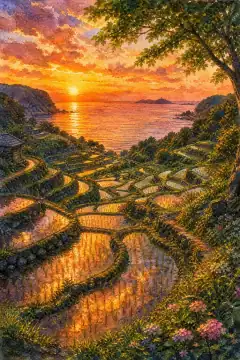
Hamanoura Rice Terraces

Hamanoura Rice Terraces

浜野浦の棚田

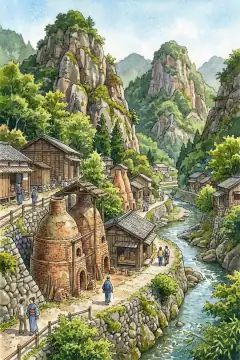
Okawachiyama (Imari)

Okawachiyama (Imari)

伊万里大川内山

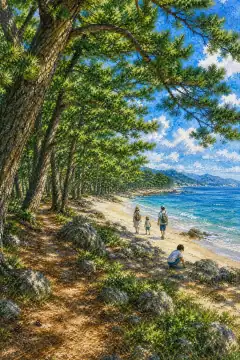
Niji-no-Matsubara Pine Grove

Niji-no-Matsubara Pine Grove

虹の松原

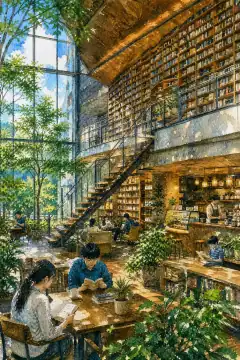
Takeo City Library

Takeo City Library

武雄市図書館

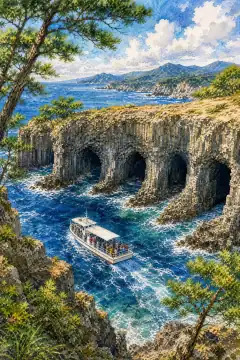
Nanatsugama Sea Caves

Nanatsugama Sea Caves

七ツ釜

Explore Japan - Picture Puzzle
  • Privacy Policy
  • Terms of Service
  • Support
  • Back to top