Mizuky Workshop / An Illustrated Japan / Kyushu-Okinawa / Saga
Saga
40 illustrations · 佐賀県 · 佐贺县 · 佐賀縣
Located in northwestern Kyushu between Fukuoka and Nagasaki, Saga is Japan's smallest prefecture on Kyushu by area, facing both the Genkai Sea and the tidal Ariake Sea. Centered on Saga City and rooted in the eastern half of ancient Hizen Province, it preserves a quiet agrarian landscape, world-renowned Arita, Imari and Karatsu porcelain traditions, the sprawling Yayoi settlement of Yoshinogari, and the colorful Saga International Balloon Fiesta that fills autumn skies each November. This blend of volcanoes, coastlines, historic trading heritage and modern innovation makes the prefecture a compelling destination for cultural travelers and nature lovers seeking authentic Kyushu experiences year-round.
An Illustrated Japan

Famous Views
The sights a prefecture is known for — the ones on the postcards, and a few that should be.
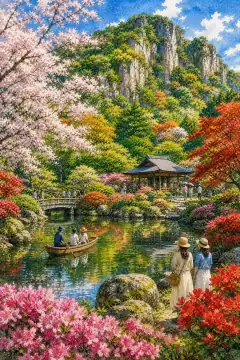
Ofuneyama Rakuen
御船山楽園
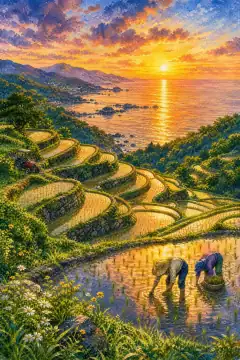
Hamanoura Rice Terraces
浜野浦の棚田
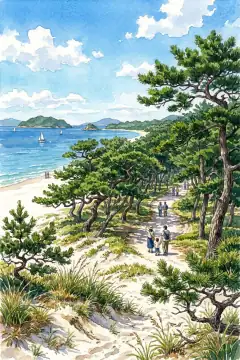
Niji no Matsubara
虹の松原
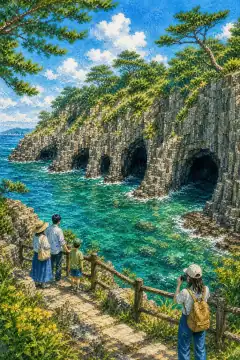
Nanatsugama
七ツ釜
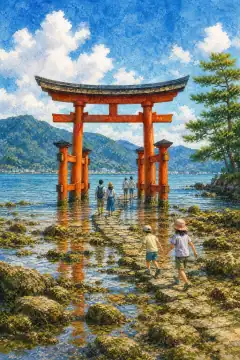
Oogyo Jinja Kaichu Torii
大魚神社の海中鳥居
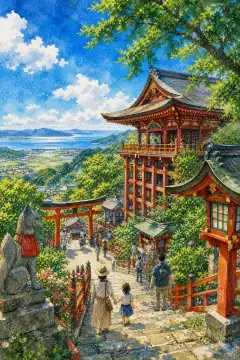
Yutoku Inari Jinja
祐徳稲荷神社
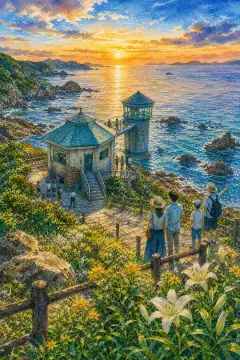
Cape Hado
波戸岬
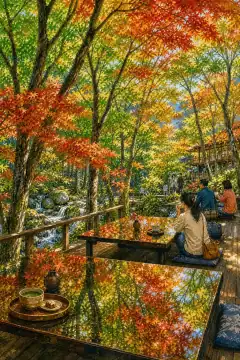
Kankyo Geijutsu no Mori
環境芸術の森
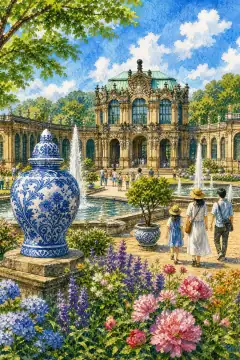
Arita Porcelain Park
有田ポーセリンパーク
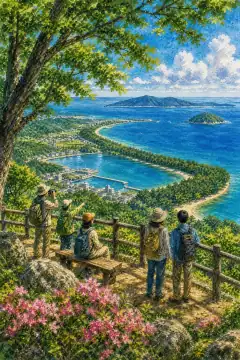
Kagiyama Observatory
鏡山展望台
An Illustrated Japan
Townscape & Scenery
Streets, harbours, hillsides: the places that give a prefecture its face.
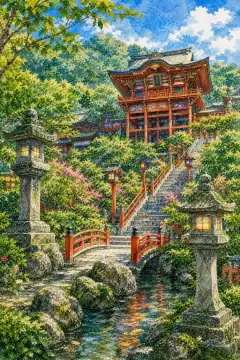
Yutoku Inari Shrine
祐徳稲荷神社
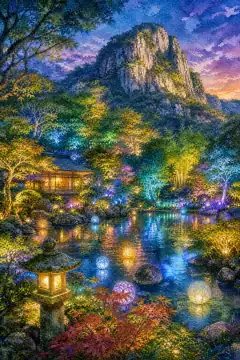
Mifuneyama Rakuen
御船山楽園
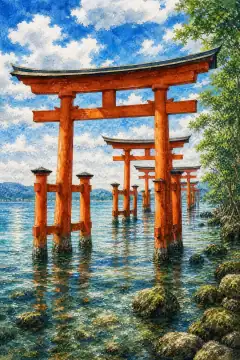
Submerged Torii of Ōuo Shrine
大魚神社の海中鳥居
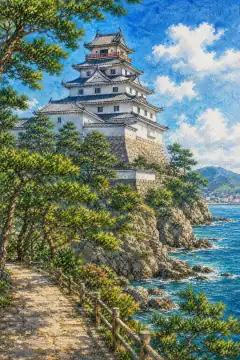
Karatsu Castle (Maizuru Castle)
唐津城
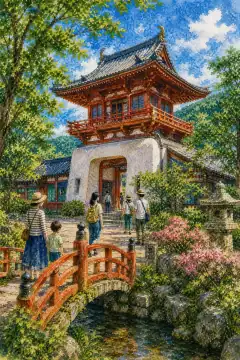
Takeo Onsen Romon Gate
武雄温泉楼門
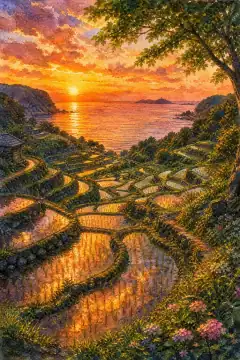
Hamanoura Rice Terraces
浜野浦の棚田
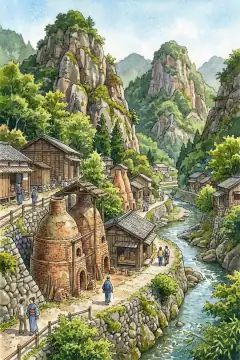
Okawachiyama (Imari)
伊万里大川内山
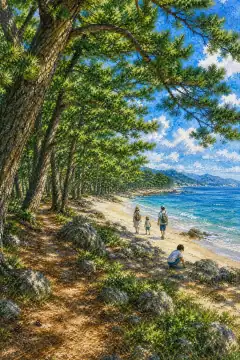
Niji-no-Matsubara Pine Grove
虹の松原

Takeo City Library
武雄市図書館
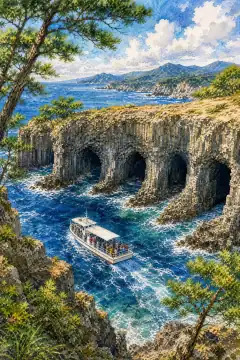
Nanatsugama Sea Caves
七ツ釜
An Illustrated Japan
Culture & Tradition
Crafts, festivals, temples and the traditions still practised today.
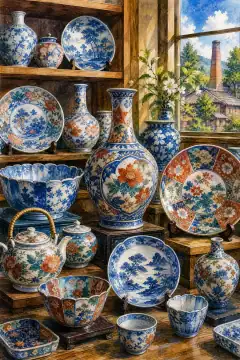
Arita and Imari porcelain
有田焼・伊万里焼

Saga International Balloon Fiesta
佐賀インターナショナルバルーンフェスタ
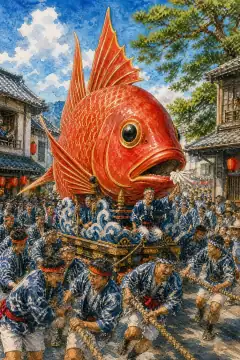
Karatsu Kunchi
唐津くんち
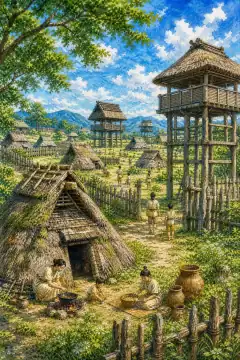
Yoshinogari Historical Park
吉野ヶ里歴史公園
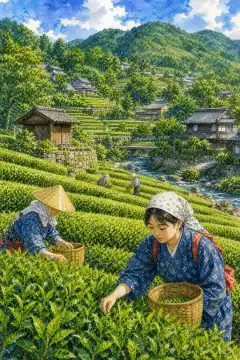
Ureshino Tea Cultivation and Tea Culture
嬉野茶の栽培と茶文化
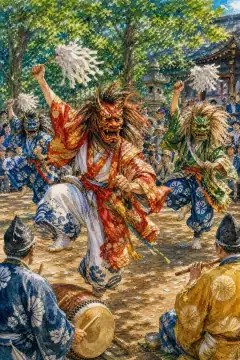
Furyu and Other Local Folk Performing Arts
浮立(ふりゅう)などの郷土芸能
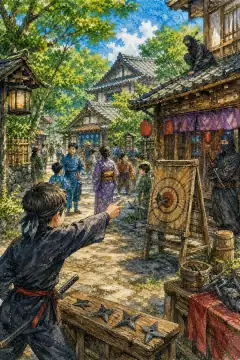
Hizen Yume Kaidō (Ninja Village)
肥前夢街道(忍者村)
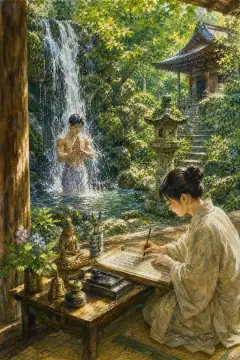
Takigyō (Waterfall Austerity) and Shakyō (Sutra Copying) Experience at Hōchi-in Temple
宝地院での滝行・写経体験

Traditional Tea Ceremony Experience in a Historic Tearoom
伝統的な茶室での茶道体験
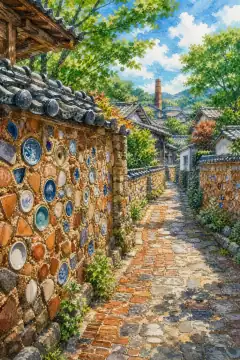
Arita Tonbai Walls
有田のトンバイ塀
An Illustrated Japan
Life & Daily
Food, bathhouses, morning routines — what an ordinary day tastes like.
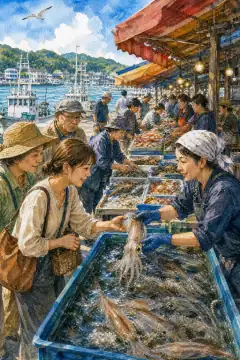
Yobuko Morning Market
呼子の朝市
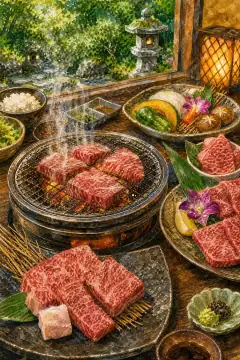
Saga Beef Yakiniku & Steak
佐賀牛の焼肉・ステーキ
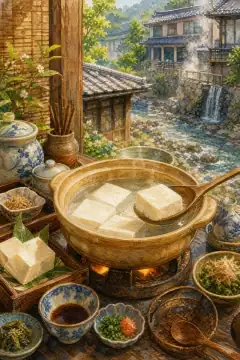
Onsen Yudofu (Hot Spring Tofu) at Ureshino Onsen
嬉野温泉の温泉湯豆腐
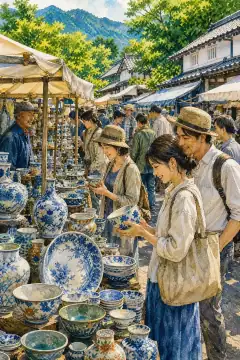
Shopping at the Arita Porcelain Market
有田陶器市での買い物
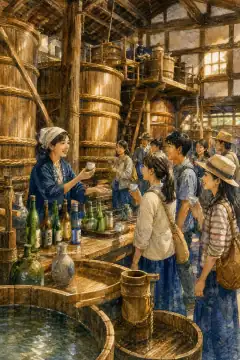
Saga Sake Brewery Tours
佐賀の酒蔵巡り
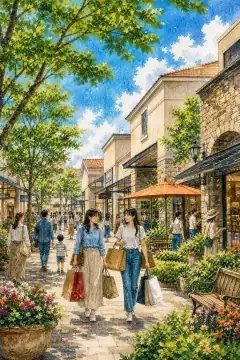
Shopping at Tosu Premium Outlets
鳥栖プレミアム・アウトレットでのショッピング

Tidal Flat Experience at Kashima Roadside Station
道の駅鹿島での干潟体験
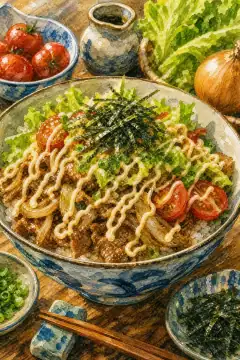
Sicilian Rice
シシリアンライス
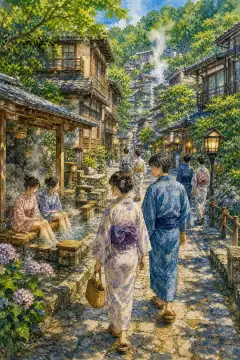
Yukata Strolls in Onsen Towns
旅館での浴衣・温泉街散策
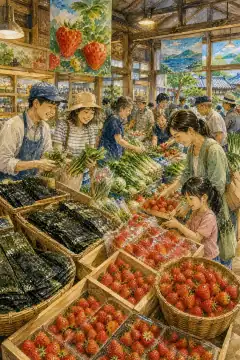
Tour of Local Supermarkets and Farm Stands
地元のスーパーや直売所巡り
About Saga
Saga Prefecture covers about 2,440.64 square kilometers with an estimated population of around 776,000, and its capital is Saga City. Geography contrasts sharply: the Sefuri mountain range and Mt. Tenzan in the northeast, Mt. Tara in the southwest, Kijima hills in the center, and the fertile Saga Plain which covers about 30 percent of the prefecture along the Chikugo River, plus two seas – the rugged rias coast of the Genkai Sea in the northwest and the vast tidal flats of the Ariake Sea in the southeast. Farmland accounts for 39 percent of land, double the national average, while forest is 49 percent, among the lowest in Japan, with evergreen broadleaf and planted cedar. Historically it corresponds to eastern Hizen Province. In 1871 during Haihan-chiken, the abolition of the domains, Saga Domain, Karatsu, Hasuike and others were reorganized into Saga Prefecture, splitting Hizen into Saga and Nagasaki. Saga Domain was one of the Satcho-Tohi domains that led the Meiji Restoration, producing Okuma Shigenobu, Eto Shimpei and Sano Tsunetami, founder of the Red Cross in Japan. The prefecture name comes from Saga District, standardized from Saga to Saka pronunciation. Climate is classified as Pacific-side, warm and humid. The southern plain is inland-like with large daily temperature range, very hot summers with many tropical nights above 25C, and flood risk from Chikugo River overflow. The northern coast is milder with smaller daily range and occasional snow a few times per year, averaging 2-3 cm. Annual precipitation is high across the prefecture, especially in June-July rainy season, reaching 2,400 mm in mountain areas, with periodic typhoons fewer than in other Kyushu areas. Industry centers on agriculture – rice, onions, barley, Saga beef ranked A5, Ureshino green tea famous for steaming, nori seaweed cultivated on Ariake mudflats accounting for a quarter of domestic output – and its world-renowned ceramics: Karatsu-yaki, Imari-yaki and Arita-yaki porcelain, first fired in Japan in the 1610s after discovery of Izumiyama stone by Korean potter Kanagae Sanbee. Tosu area hosts logistics hubs as a junction of Kyushu expressways linking Fukuoka and Nagasaki, with many distribution centers. Tourism highlights include the Yoshinogari Historical Park, one of Japan's largest Yayoi-period moated settlements with reconstructed pit dwellings and watchtowers, Karatsu Castle with Nijinomatsubara pine forest one of Japan's Three Great Pine Groves stretching 5 km along Karatsu Bay, the Saga International Balloon Fiesta each November gathering over 100 balloons from 40 countries, Ureshino and Takeo hot springs famous for skin-beautifying sodium-bicarbonate waters, the Arita Porcelain Fair in late April to May attracting many visitors, and Higashi-yoka Tidal Flat Ramsar site for migratory birds and mudskippers.