mizuky.com
  • Explore Japan - Picture Puzzle
  • English
  • 日本語
  • 中文

An Illustrated Japan / Gifu / Life & Daily

Life with Water in Gujo Hachiman

Life with Water in Gujo Hachiman

Also written: 郡上八幡の水のある暮らし · 郡上八幡的水畔生活

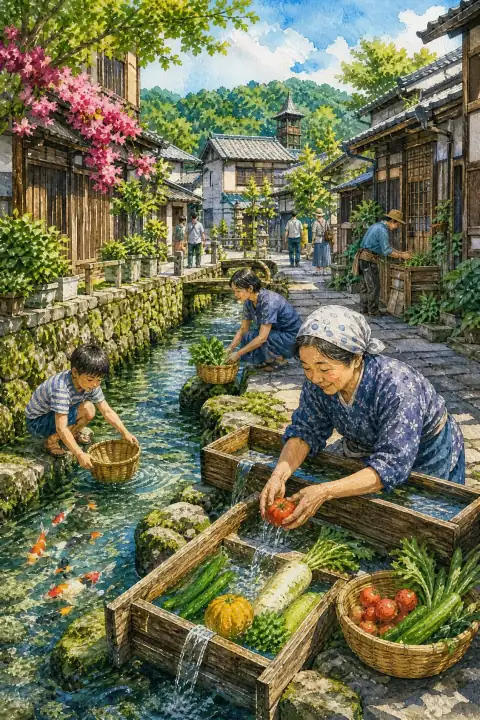
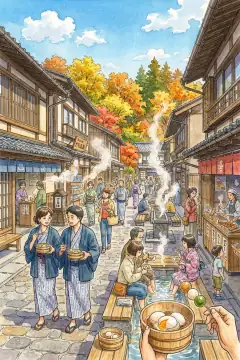
The town’s canals and mizubune (traditional water vessels) create everyday scenes of living in harmony with pristine water, attracting interest from international visitors.

Gifu Chubu Life & Daily
← Previous Miyagawa Morning Market (Takayama) Next → Therapeutic Hot Spring Experience at Gero Onsen
Download on the App Store

About this place

Life with Water in Gujo Hachiman in Gifu is a compelling example of life & daily in Japan, where landscape, craft and daily life are interwoven. The town’s canals and mizubune (traditional water vessels) create everyday scenes of living in harmony with pristine water, attracting interest from international visitors. Geographically, the area benefits from volcanic foothills, alluvial fans, clear spring water and elevation gradients that create microclimates. That diversity supports rich vegetation, seasonal flowers, and birdlife, while the interplay of light and mist changes the scenery meter by meter. Spring brings cherry blossom and fresh greens, summer offers longer daylight from around 5 am to 7 pm and festivals, autumn crowns the site with maple crimson, larch gold and crisp air from mid-October to November, and winter provides snow contrast, illuminations and star-laden skies after 5 pm. Photographers find soft light best at 6:30-8:00 and again from 16:00 to sunset; early morning often has fewer crowds and valley fog. To experience it well, allow 2-4 hours and adopt a slow approach. Start at the main viewpoint, shrine approach or lakeside, then wander side lanes, ask a shopkeeper how things are made, and sit quietly on a bench. Many towns offer bicycle rental forming flat 3-5 km loops linking the primary spot with secondary shrines, tea shops and viewpoints. Community buses from the nearest JR or private rail station run hourly and take 20-50 minutes; weekend service thins, so check Google Maps and the town timetable. If driving, prefectural roads are excellent but winter tires are essential December through March in northern and mountainous areas, and mobile signal can be weak, so offline maps help. Food and craft are inseparable from place. Expect miso, pickles, local vegetables such as highland cabbage at Narusawa, seasonal fruit, soba hand-rolled with mountain water, and sake brewed with snowmelt. At michi-no-eki roadside markets you find strawberry, peach from June to August and grape Shine Muscat from August to October, blueberry sweets, manju handmade by local mothers, and Fujizakura cherry soft serve. Craft traditions persist in family studios working with textiles in Gunnai, lacquerware in Kiso, washi paper in Mino, and woodworking in Hida. A polite "kore wa dono yo ni tsukuru no desu ka?" often earns a demonstration. Small festivals and kagura performances reveal faith and music more directly than any museum. For photography, use a wide-angle 24-35 mm for environmental context and a telephoto for texture like roof tiles, lantern grain or frost. After rain or snow, reflections intensify. Tripods are best at dawn; many shrines and heritage streets restrict them by day. Include a human silhouette for scale on mountains or lakes. Drone use is restricted in most populated, heritage and coastal conservation zones, check MLIT maps and ordinances. Accessibility is improving but varies. Major facilities have ramps and accessible toilets; older lanes may have cobbles or steps. IC cards like Suica work on most trains and buses, rural buses need cash in 1000 yen notes. English signage is increasingly common but translation apps in offline mode help. Admission is often free for open landscapes; temples, museums and ropeways range 300-1200 yen. Reserve ryokan and popular restaurants 1-2 weeks ahead in peak season. What makes Life with Water in Gujo Hachiman memorable is not the postcard alone but atmosphere: cypress scent after rain, distant matsuri drums, bath steam over a town, a quiet nod from an elder tending flowers. For visitors seeking Japan beyond bullet trains and neon, it offers a measured intimate counterpoint: a place to understand how Gifu lives with its mountains, rivers and seasons. Come curious, leave slowly, and let the landscape narrate its own continuity.

More from Life & Daily

See all of Gifu →

Hida Beef Gourmet Experience

Hida Beef Gourmet Experience

飛騨牛のグルメ体験

Miyagawa Morning Market (Takayama)

Miyagawa Morning Market (Takayama)

宮川朝市(高山)

Therapeutic Hot Spring Experience at Gero Onsen

Therapeutic Hot Spring Experience at Gero Onsen

下呂温泉での湯治体験

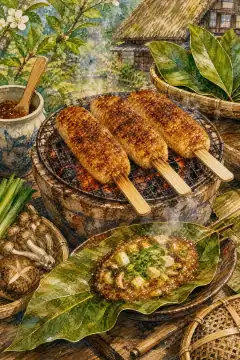
Local specialties — Gohei-mochi and Hoba-miso

Local specialties — Gohei-mochi and Hoba-miso

郷土料理(五平餅・朴葉味噌)

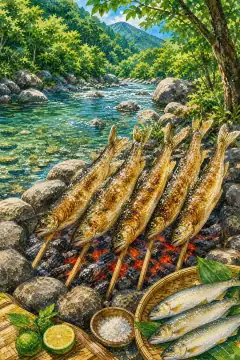
Salt-grilled Ayu (sweetfish)

Salt-grilled Ayu (sweetfish)

鮎の塩焼き

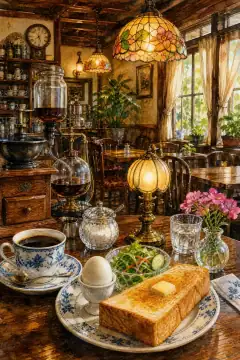
Kissaten Morning Service

Kissaten Morning Service

喫茶店のモーニング文化

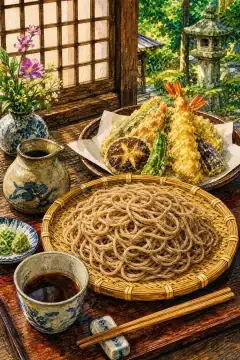
Hida Soba

Hida Soba

飛騨そば

Onsen Town Food Crawl

Onsen Town Food Crawl

温泉街の食べ歩き

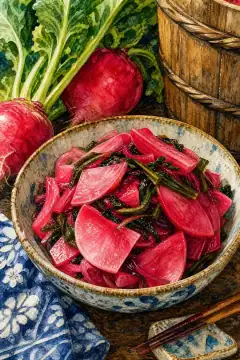
Hida Pickles (Red Turnip Pickles)

Hida Pickles (Red Turnip Pickles)

飛騨の漬物(赤かぶ漬け)

Explore Japan - Picture Puzzle
  • Privacy Policy
  • Terms of Service
  • Support
  • Back to top