Mizuky Workshop / An Illustrated Japan / Chubu / Gifu
Gifu
40 illustrations · 岐阜県 · 岐阜县 · 岐阜縣
Gifu sits near Japan's geographic and population center, landlocked, with about 1.88 million people and capital Gifu City holding 400,000. Mountainous Hida in the north with 3,000 m peaks contrasts with the Mino plains south drained by Kiso Three Rivers Nobi Plain polders, famed worldwide for World Heritage Shirakawa-go gassho thatched hamlets and Takayama's preserved Edo streets and morning markets famous for folk crafts. This prefecture balances nature, history, and modern industry with broad appeal for residents and visitors seeking food specialties, scenic landscapes, and well-preserved cultural heritage.
An Illustrated Japan

Famous Views
The sights a prefecture is known for — the ones on the postcards, and a few that should be.
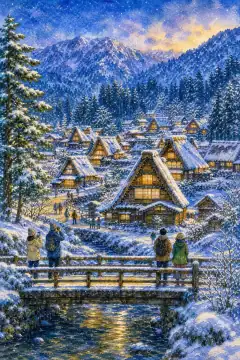
Shirakawa-go
白川郷
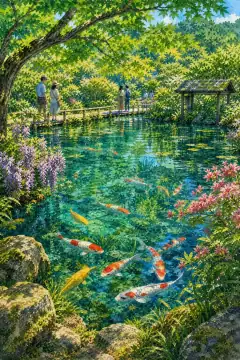
Monet Pond
モネの池
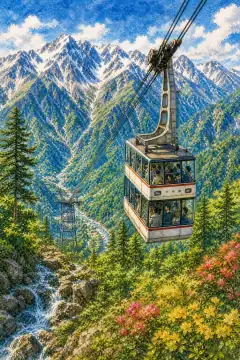
Shinhotaka Ropeway
新穂高ロープウェイ
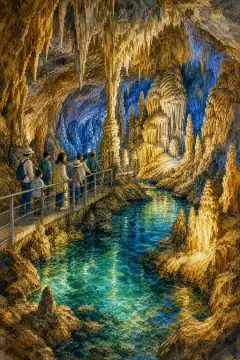
Hida Great Stalactite Cave
飛騨大鍾乳洞
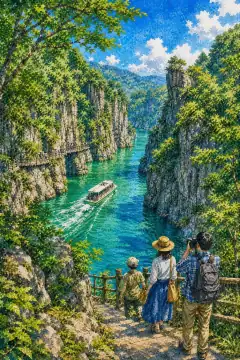
Ena Gorge
恵那峡
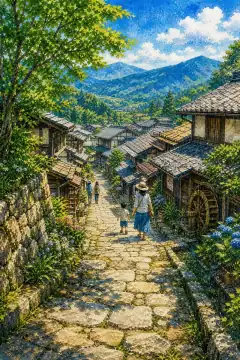
Magome-juku
馬籠宿
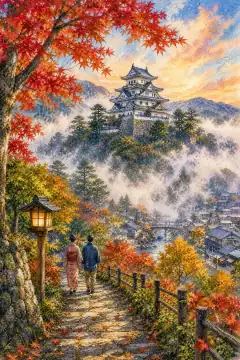
Gujo Hachiman Castle
郡上八幡城
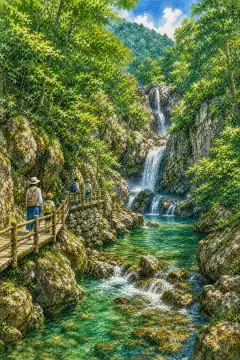
Tsukechi Gorge
付知峡
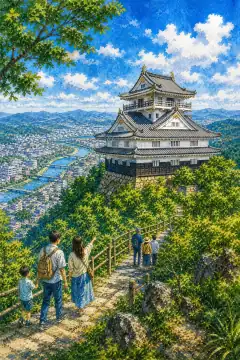
Gifu Castle
岐阜城
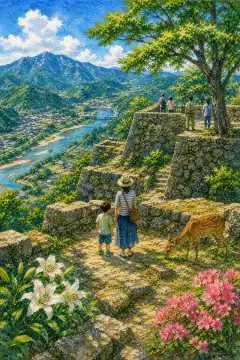
Naegi Castle Ruins
苗木城跡
An Illustrated Japan
Townscape & Scenery
Streets, harbours, hillsides: the places that give a prefecture its face.
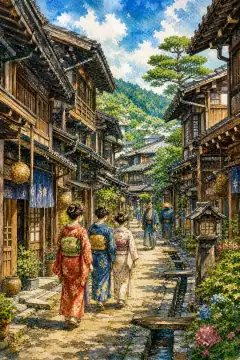
Takayama Old Town (Sanmachi District)
飛騨高山の古い町並み
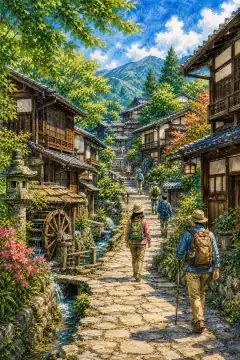
Nakasendō (Magome-juku and Tsumago-juku)
中山道(馬籠宿・妻籠宿)
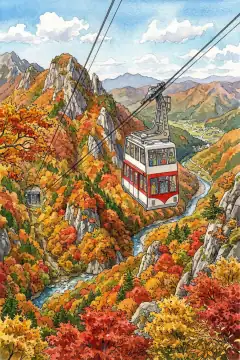
Shinhotaka Ropeway
新穂高ロープウェイ
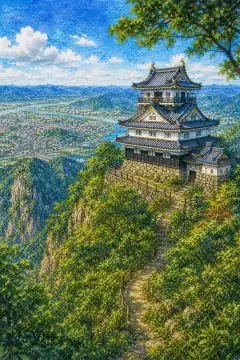
Gifu Castle and Mount Kinka
岐阜城と金華山
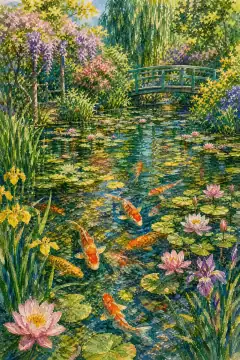
Monet's Pond (Nameless Pond)
モネの池(名もなき池)
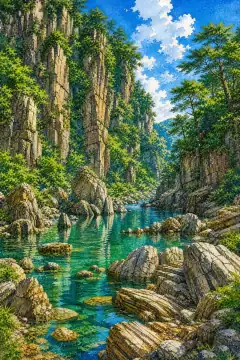
Ena Gorge
恵那峡
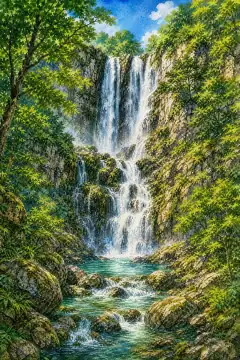
Yoro Falls
養老の滝
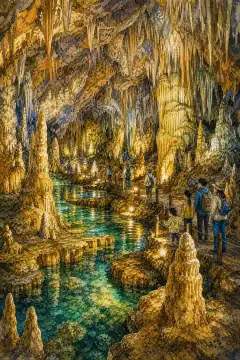
Hida Great Limestone Cave
飛騨大鍾乳洞
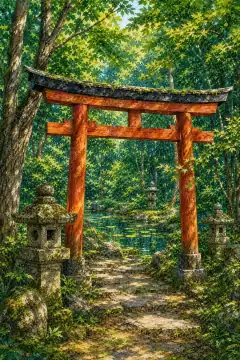
Torii Gate at Nedo Shrine
根道神社の鳥居
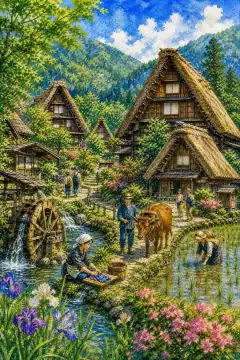
Hida Folk Village
飛騨の里
An Illustrated Japan
Culture & Tradition
Crafts, festivals, temples and the traditions still practised today.
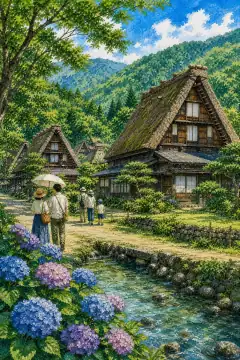
Gassho-zukuri Houses of Shirakawa-go
白川郷の合掌造り
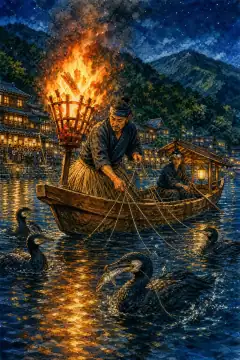
Ukai (Cormorant Fishing on the Nagara River)
鵜飼(うかい)
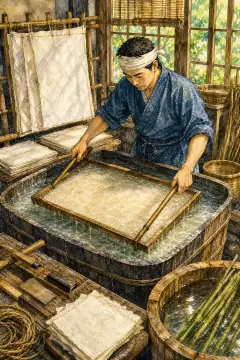
Mino Washi
美濃和紙
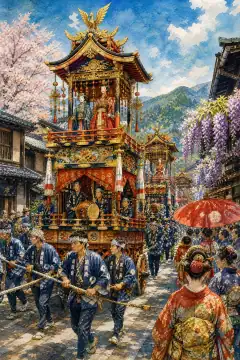
Takayama Festival
高山祭
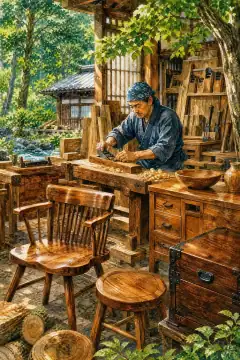
Hida Furniture and Woodworking
飛騨の家具・木工
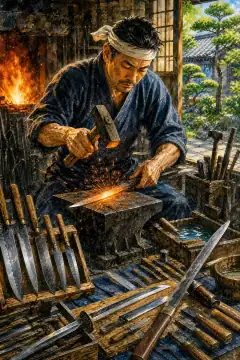
Seki Cutlery
関の刃物
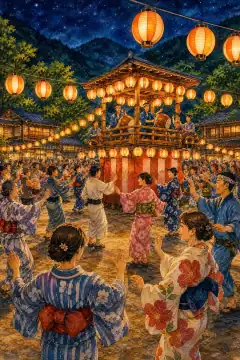
Gujo Odori
郡上おどり
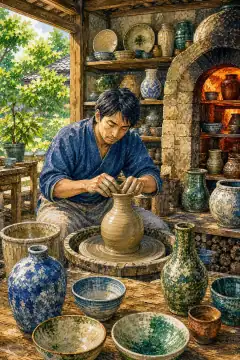
Mino ware (Mino-yaki)
美濃焼
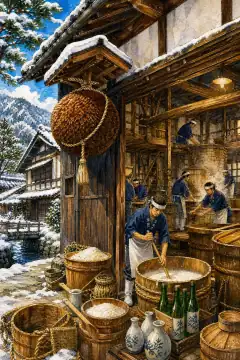
Sake Brewing in Hida
飛騨の酒造り
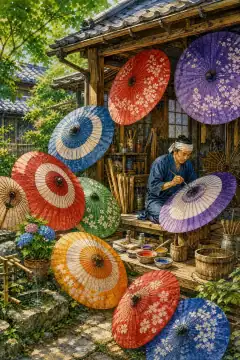
Gifu Wagasa (Gifu Japanese Umbrellas)
岐阜和傘
An Illustrated Japan
Life & Daily
Food, bathhouses, morning routines — what an ordinary day tastes like.
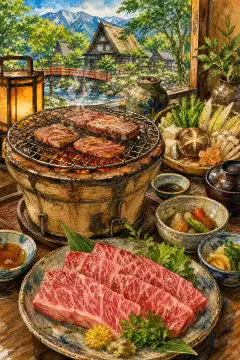
Hida Beef Gourmet Experience
飛騨牛のグルメ体験
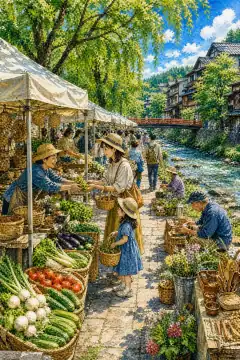
Miyagawa Morning Market (Takayama)
宮川朝市(高山)
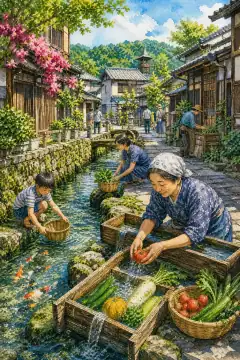
Life with Water in Gujo Hachiman
郡上八幡の水のある暮らし
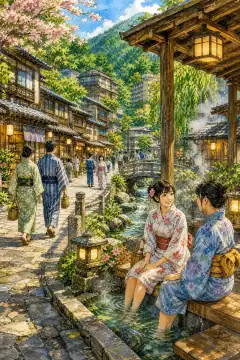
Therapeutic Hot Spring Experience at Gero Onsen
下呂温泉での湯治体験
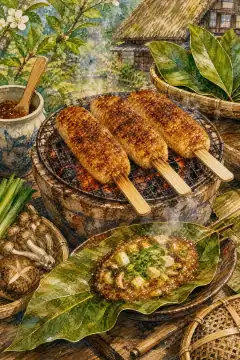
Local specialties — Gohei-mochi and Hoba-miso
郷土料理(五平餅・朴葉味噌)
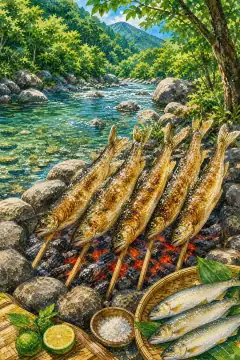
Salt-grilled Ayu (sweetfish)
鮎の塩焼き
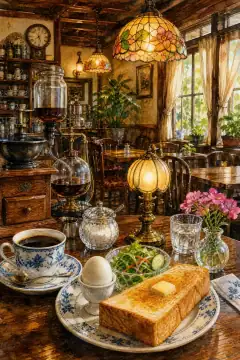
Kissaten Morning Service
喫茶店のモーニング文化
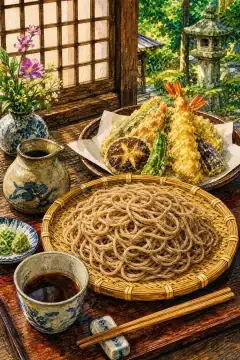
Hida Soba
飛騨そば
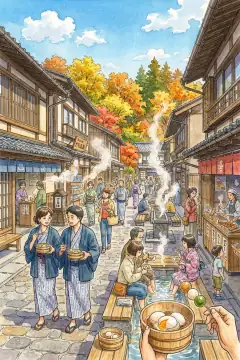
Onsen Town Food Crawl
温泉街の食べ歩き
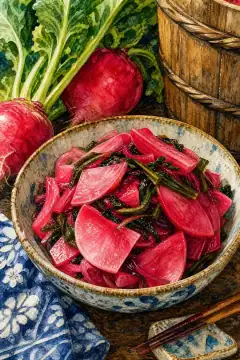
Hida Pickles (Red Turnip Pickles)
飛騨の漬物(赤かぶ漬け)
About Gifu
Gifu Prefecture covers about 10,621.29 sq km, seventh largest in Japan, and about 1.88 million residents (about 1.92 million April 2024 estimate) with Gifu City as capital 400,000 people, located in Tokai, Chubu, bordering seven prefectures: Aichi, Nagano, Toyama, Ishikawa, Fukui, Shiga, Mie, entirely landlocked with no coastline. Terrain splits into Hida north with 3,000 m class Hida Mountains and Mt. Ontake 3,067 m active volcano, and Mino south with Nobi Plain and Kiso Three Rivers Kiso, Nagara, Ibi forming low-lying waju polders below sea level, famous for flood control Domen, elevation difference 3,200 m. Name Gifu reportedly chosen 1567 by Oda Nobunaga after capturing Inabayama Castle, combining Ki from Mt. Qishan where Zhou dynasty rose and Fu from Qufu birthplace of Confucius, praying for peaceful learning land, only prefecture name derived from China. Historically area was Mino and Hida provinces, Sengoku center where Saito Dosan, Akechi Mitsuhide originated. Formed in 1871 Haihan-chiken from Ogaki, Kasamatsu Prefectures and enlarged 1872 with part of Chikuma, later additions of Kiso border villages in 2005 changing Nagano-Gifu border first time since Meiji. Climate complex: northern Hida and part of Mino have Sea of Japan snow with special heavy snow zones Shirakawa Village, Takayama upper reach heavy snow designated, most of Mino has Pacific climate, parts show Central Highland character. Winter sees dry Ibuki-oroshi wind west causing sharp cold in western Gifu, while eastern Mino Tajimi often records Japan's highest temperatures, 40.9 C in 2007 and 41.0 C in Gero Kanayama 2018 exceeding Kumagaya. Industry manufacturing-driven with large shipments automotive and aerospace parts centered in Chukyo Industrial Zone including Kakamigahara aerospace Mitsubishi, production machinery, plastics, cutlery in Seki supplying 50 percent domestic cutlery with 800-year sword tradition, ceramics Tajimi Mino ware 50 percent domestic ceramics. Agriculture Hida beef one of Japan's top wagyu raised mountain pastures, Enna hoshigaki dried persimmons. Tourism highlights World Heritage Shirakawa-go gassho-zukuri steep 60-degree roofs against snow, Takayama old town Sanmachi with morning markets farm produce cherry sake, Takayama Festival with ornate floats, Gero Onsen one of Japan's Three Great Hot Springs alkaline smooth water skin beauty, Gifu Castle on Mt. Kinka where Nobunaga aimed unification, Ukai cormorant fishing on Nagara River UNESCO intangible heritage, Magome-juku post town on Nakasendo stone paving with views, Seki Sword tradition. Geographic center of Japan at Nihon no Mannaka lies in Seki City. Tourism and industry coexist with deep cultural traditions preserved for centuries offering visitors nature, history, and cuisine year-round.