Mizuky Workshop / An Illustrated Japan / Chugoku / Okayama
Okayama
40 illustrations · 岡山県 · 冈山县 · 岡山縣
Okayama Prefecture, squeezed between the Chugoku Mountains and the Seto Inland Sea, is nicknamed the Land of Sunshine for its low rainfall and long daylight hours. It merges samurai heritage centered on Okayama Castle with the merchant culture of Kurashiki's white-walled canal town. Celebrated as Japan's fruit kingdom for white peaches, Pione and Muscat of Alexandria grapes, it is a gateway to western Honshu where history, mild weather and modern industry coexist in compact livability. Orchard picking routes, cycling lanes and Setouchi art detours add slow-travel appeal beyond the famous gardens and castle views.
An Illustrated Japan

Famous Views
The sights a prefecture is known for — the ones on the postcards, and a few that should be.
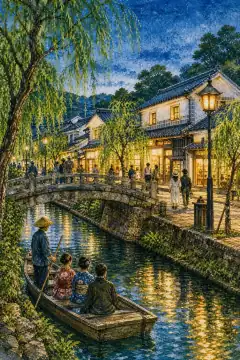
Kurashiki Bikan Historical Quarter
倉敷美観地区
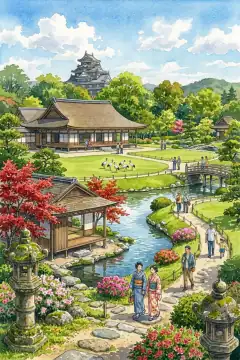
Okayama Korakuen Garden
岡山後楽園
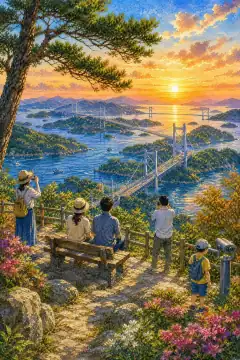
Washuzan
鷫羽山
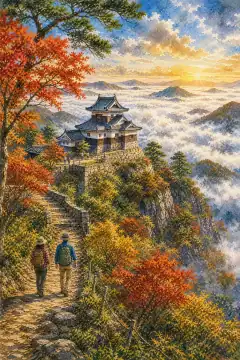
Bitchu-Matsuyama-jo
備中松山城
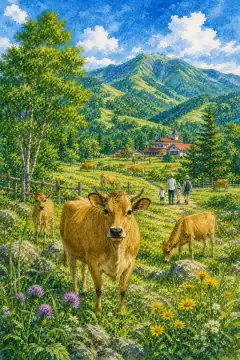
Kabayama Kogen
蒲山高原
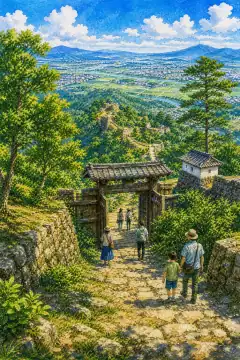
Oni-no-jo
鬼ノ城
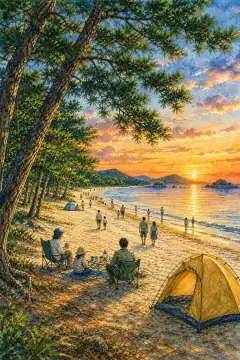
Shibukawa Beach
渋川海岸
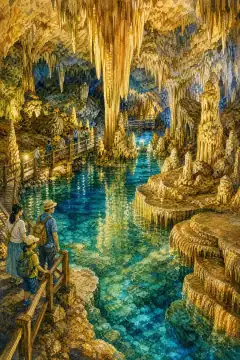
Iguro Cave
井倉洞
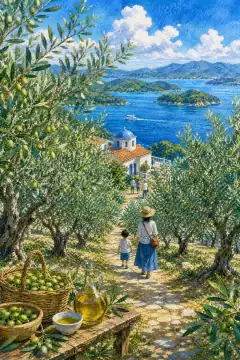
Ushimado Olive Garden
牛窓オリーブ園
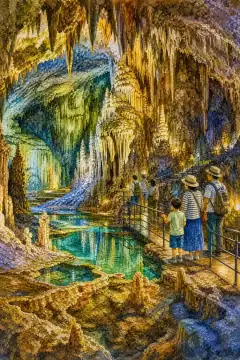
Manki Cave
満奇洞
An Illustrated Japan
Townscape & Scenery
Streets, harbours, hillsides: the places that give a prefecture its face.
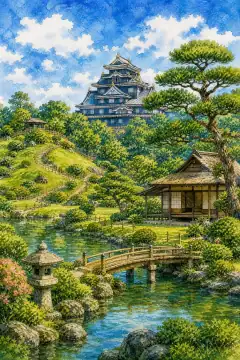
Okayama Korakuen Garden
岡山後楽園
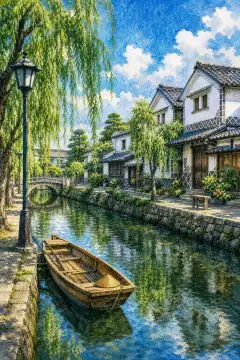
Kurashiki Bikan Historical Quarter
倉敷美観地区
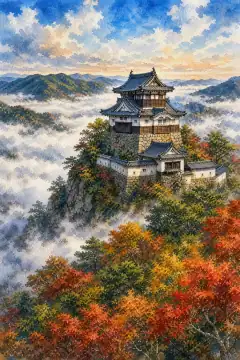
Bitchu Matsuyama Castle
備中松山城
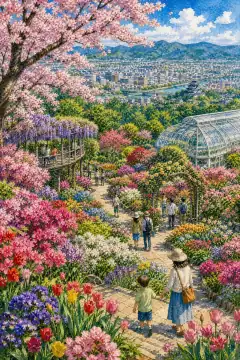
Handayama Botanical Garden
半田山植物園
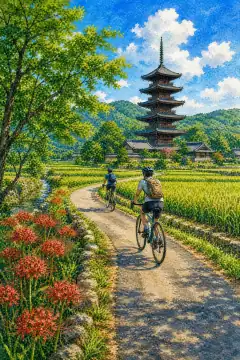
Kibiji Cycling Route
吉備路自転車道
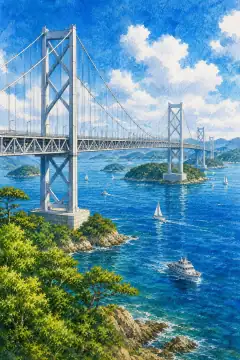
Great Seto Bridge
瀬戸大橋
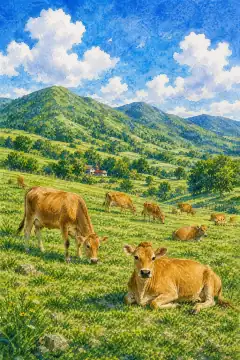
Hiruzen Highlands
蒜山高原
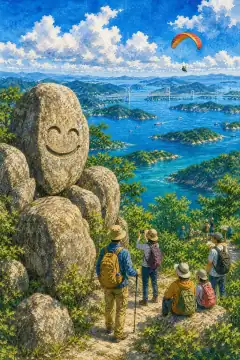
Mount Oji-ga-take
王子が岳
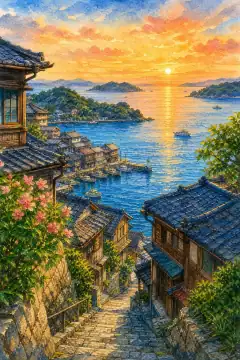
Ushimado Townscape (Shiomachi Karakoto Street)
牛窓の街並み(しおまち唐琴通り)
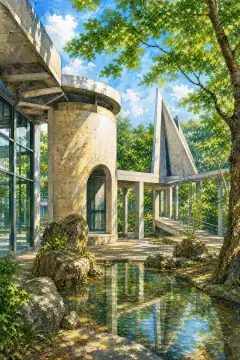
Nagi Museum of Contemporary Art
奈義町現代美術館
An Illustrated Japan
Culture & Tradition
Crafts, festivals, temples and the traditions still practised today.
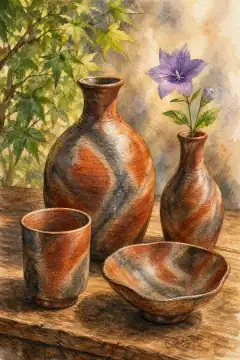
Bizen ware
備前焼
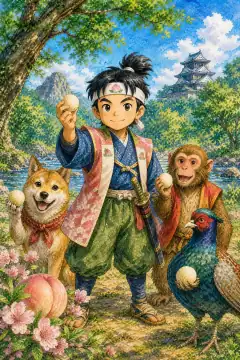
Momotaro (Peach Boy) Legend
桃太郎伝説
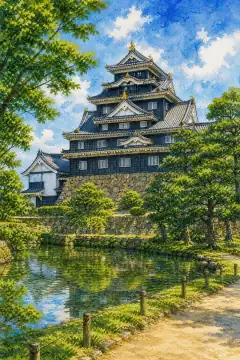
Okayama Castle (U-jō, "Crow Castle")
岡山城(烏城)
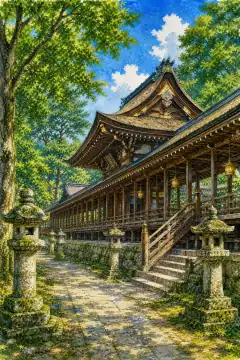
Kibitsu Shrine
吉備津神社
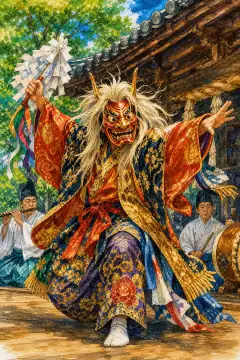
Bitchu Kagura
備中神楽
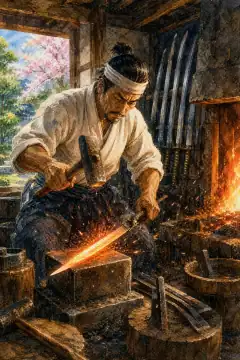
Japanese Swords (Bizen Osafune)
日本刀(備前長船)
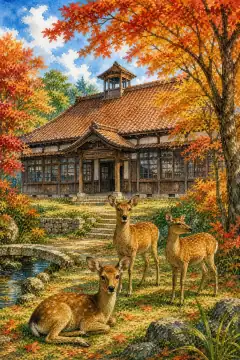
Former Shizutani School
旧閑谷学校
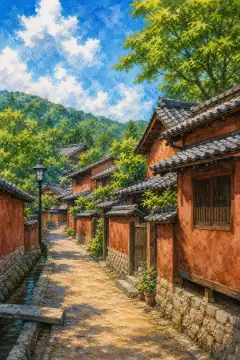
Fukiya Furusato Village
吹屋ふるさと村
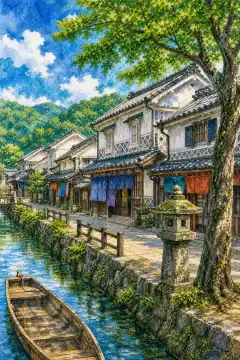
Katsuyama Townscape Preservation District
勝山町並み保存地区
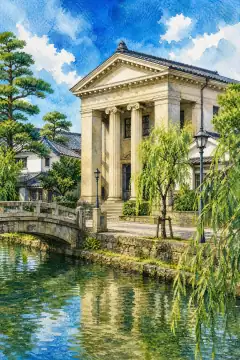
Ohara Museum of Art
大原美術館
An Illustrated Japan
Life & Daily
Food, bathhouses, morning routines — what an ordinary day tastes like.
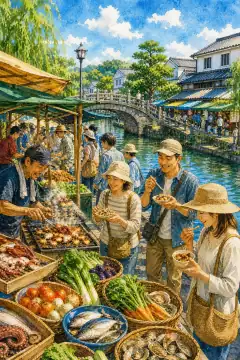
Bizen-Okayama Kyobashi Morning Market
備前岡山京橋朝市

Kojima Jeans Street
児島ジーンズストリート
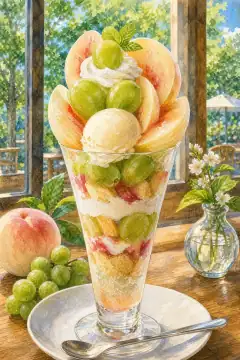
Fresh Fruit Parfait
フルーツパフェ
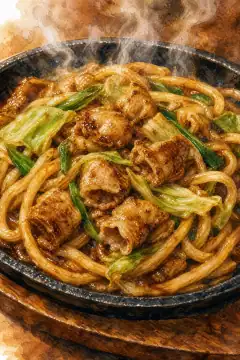
Tsuyama Horumon Udon
津山ホルモンうどん
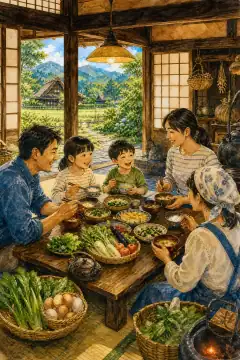
Farmstay: Experience Rural Life
農家民宿での田舎体験
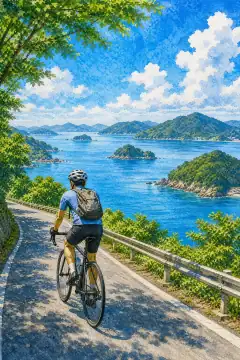
Seto Inland Sea Cycling
瀬戸内海のサイクリング
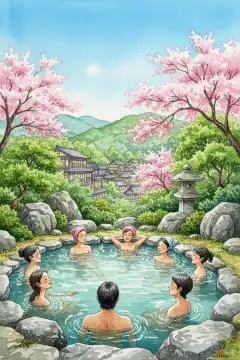
Therapeutic Bathing at Yunogo Onsen
湯郷温泉での湯治

Hiruzen Jersey Land
ひるぜんジャージーランド
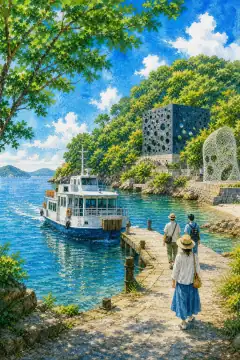
Seto Inland Sea Island Hopping (including Inujima)
瀬戸内海の島巡り(犬島など)
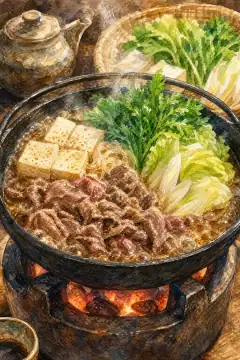
Sozuri Nabe (Tsuyama-style hot pot)
岡山のご当地グルメ(そずり鍋)
About Okayama
Okayama Prefecture sits in southeastern Chugoku, extending over 7,114.44 square kilometers with an estimated population of about 1.79 million and its capital at Okayama City. Topographically the prefecture steps down from the Chugoku Mountains in the north through the Kibi Plateau to the broad Okayama Plain in the south, where three first-class rivers, the Asahi, Yoshii and Takahashi, have built fertile deltas that open onto the Seto Inland Sea facing Shikoku.The core of ancient Kibi Kingdom, the area contains enormous burial mounds like Tsukuriyama Kofun that rival Yamato's power centers, and shrines such as Kibitsu Jinja linked to the Momotaro legend. In the Edo period the Ikeda clan governed Okayama Domain from Okayama Castle, known as U-jo for its black lacquered exterior. After the abolition of feudal domains in 1871, Okayama Prefecture was created from Okayama, and by 1876 it incorporated Mimasaka and Bicchu provinces, settling its modern boundaries.Climate is overwhelmingly Seto Inland Mediterranean along the coast with about 1,100 millimeters of annual rainfall and more than 2,000 hours of sun, making agriculture stable and living comfortable, while northern mountains show inland characteristics with snow and temperature swings, producing distinct forest economies. Industry concentrates in the Mizushima coastal complex in Kurashiki, one of Japan's largest industrial zones hosting JFE Steel, Mitsubishi Chemical and automotive suppliers, plus a resilient textile base in Kojima, birthplace of Japanese jeans, where domestic selvedge denim still commands global respect. In the north, cattle breeding and premium fruit cultivation generate high value.Tourist highlights include Korakuen, one of Japan's three great feudal gardens built for daimyo relaxation with cranes, teahouses and cherry groves, adjacent Okayama Castle rebuilt with its dramatic black walls, the Kurashiki Bikan Historical Quarter where Edo-period rice warehouses now house contemporary art museums like Ohara Museum, Mt. Washu Observatory with sweeping views of the Great Seto Bridge archipelago, and the copper-red townscape of Fukiya in Takahashi colored by bengara pigment. Cycling the Kibiji District linking shrines and ruins and picking peaches in summer complete the experience. Okayama offers a rare balance of sunshine, craftsmanship and gentle historical depth that rewards slow travel rather than checklist tourism. Beyond gardens, Okayama supports a resilient industrial craft chain from high-tensile steel plates to precision dyeing, plus university-driven agri-tech for white peach disease resistance. Local sake brewed with Asahi rice complements mild winters, and the Momotaro souvenir economy sustains small family shops that preserve folk painting and topiary skills.