Mizuky Workshop / An Illustrated Japan / Chugoku / Yamaguchi
Yamaguchi
40 illustrations · 山口県 · 山口县 · 山口縣
At Honshu's western tip, Yamaguchi Prefecture is ringed by sea on three sides and peers across the Kanmon Straits to Kyushu, a historic maritime crossroads. As the former Choshu Domain that produced Yoshida Shoin, Takasugi Shinsaku and Ito Hirobumi, it blends revolutionary heritage with dramatic karst plateaus, the wooden arches of Kintai Bridge, the red torii of Motonosumi Shrine and the celebrated fugu cuisine of Shimonoseki. Historic streets of Hagi, breezy coastal drives to Tsunoshima, and markets selling natsumikan jam add gentle seasonal color to the Kanmon frontier, attracting photographers and history fans year round.
An Illustrated Japan

Famous Views
The sights a prefecture is known for — the ones on the postcards, and a few that should be.
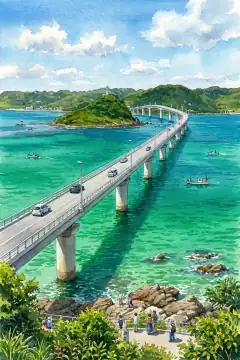
Tsunoshima Bridge
角島大橋
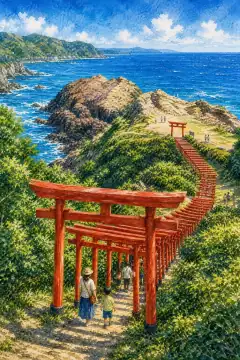
Motonosumi Shrine
元乃隅神社
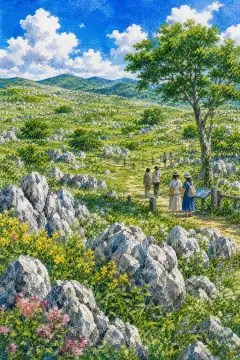
Akiyoshidai
秋吉台
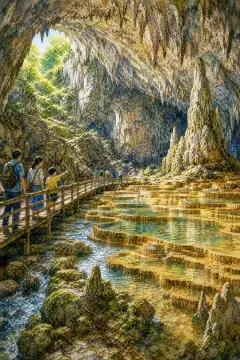
Akiyoshido
秋芳洞
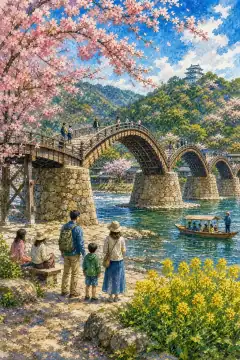
Kintai Bridge
錦帯橋
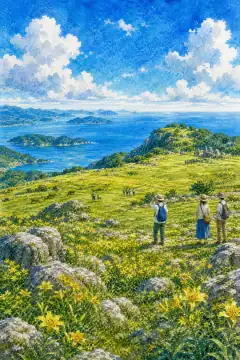
Senjojiki
千畳敷
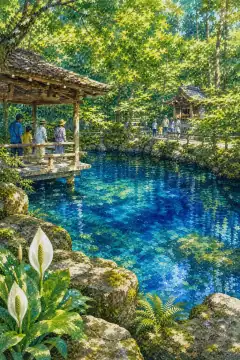
Beppu Benten Pond
別府弁天池
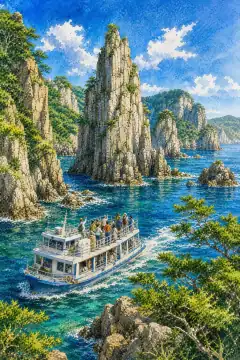
Aomi Island
青海島
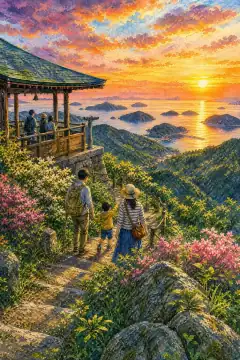
Kasayama
笠山
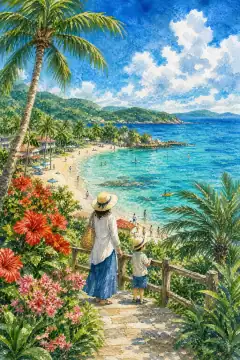
Suou-Oshima
周防大島
An Illustrated Japan
Townscape & Scenery
Streets, harbours, hillsides: the places that give a prefecture its face.
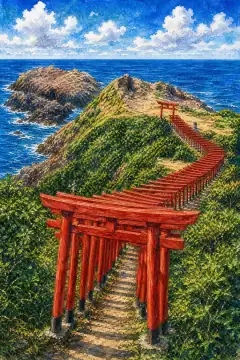
Motonosumi Shrine (Motonosumi Inari Shrine)
元乃隅神社
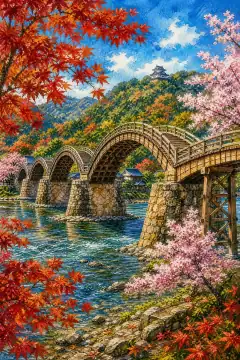
Kintai Bridge (Kintaikyo)
錦帯橋
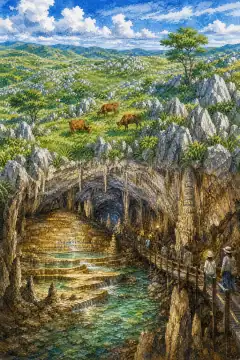
Akiyoshidai Plateau and Akiyoshido Cave
秋吉台と秋芳洞
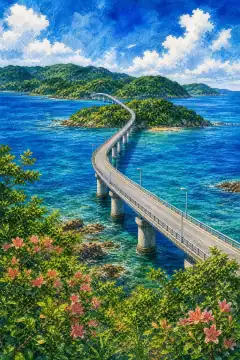
Tsunoshima Bridge
角島大橋
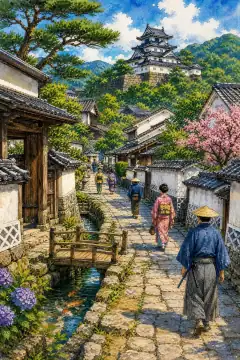
Hagi Castle Town
萩の城下町
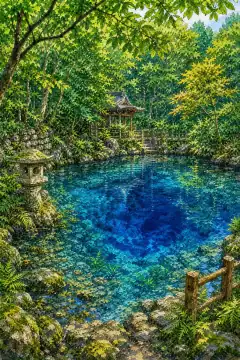
Beppu Benten Pond
別府弁天池
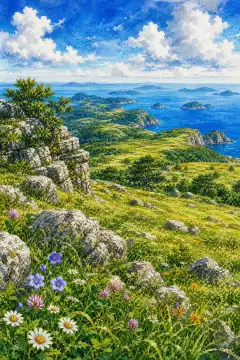
Senjojiki Plateau
千畳敷
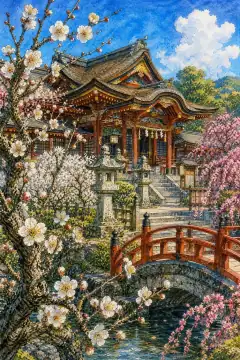
Hofu Tenmangu Shrine
防府天満宮
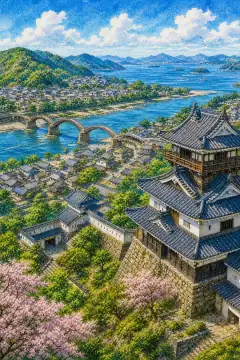
Iwakuni Castle
岩国城
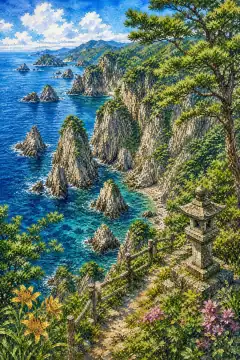
Omijima (Omi Island)
青海島
An Illustrated Japan
Culture & Tradition
Crafts, festivals, temples and the traditions still practised today.
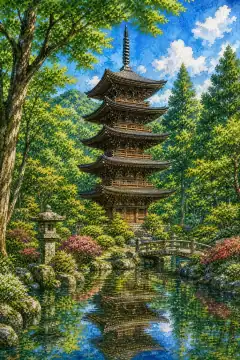
Ruriko-ji Five-Story Pagoda
瑠璃光寺五重塔
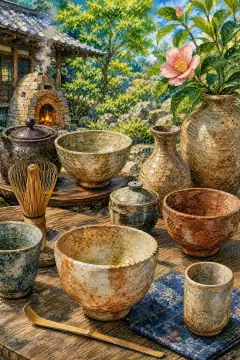
Hagi ware
萩焼
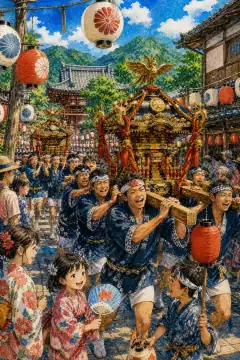
Yamaguchi Gion Festival
山口祇園祭
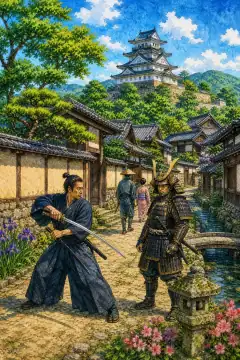
Samurai Culture and Castle Towns
侍文化と城下町
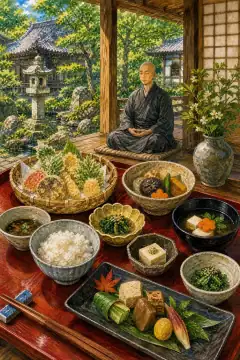
Zen Meditation and Shojin Ryori Experience
禅と精進料理
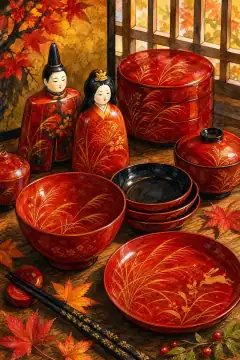
Ouchi-nuri lacquerware
大内塗
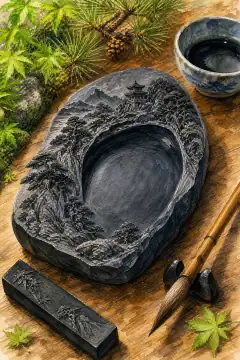
Akama Inkstone
赤間硯
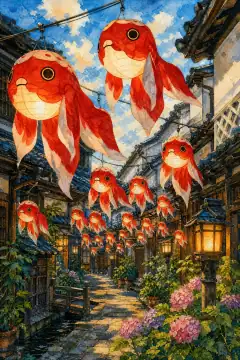
Yanai Goldfish Lanterns
柳井の金魚ちょうちん
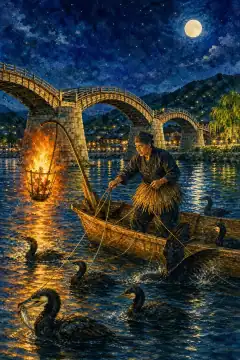
Cormorant Fishing at Kintai Bridge
鵜飼
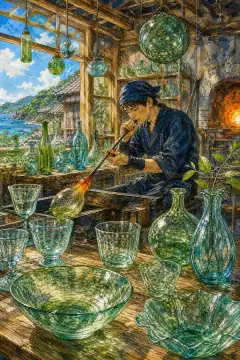
Hagi Glass
萩ガラス
An Illustrated Japan
Life & Daily
Food, bathhouses, morning routines — what an ordinary day tastes like.
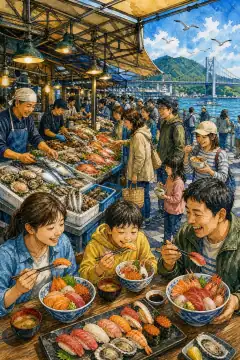
Weekend Stalls at Karato Market
唐戸市場の週末屋台
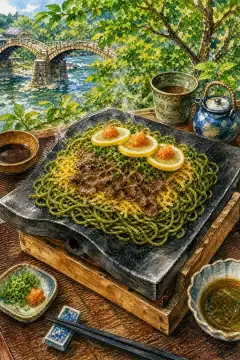
Kawara Soba
瓦そば
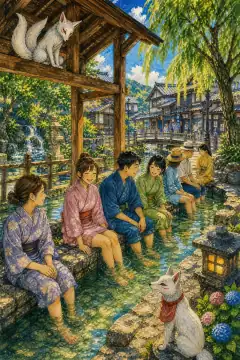
Footbaths and Therapeutic Stays at Yuda Onsen
湯田温泉での足湯と湯治
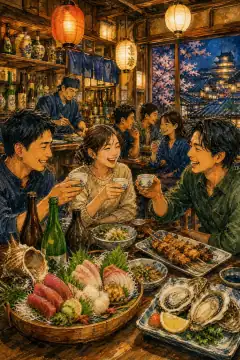
Izakaya Culture and Local Sake
居酒屋文化と地酒

Fruit Picking
フルーツ狩り
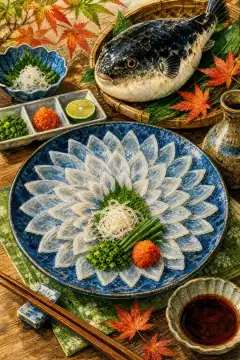
Fugu (Pufferfish) Cuisine
ふぐ料理
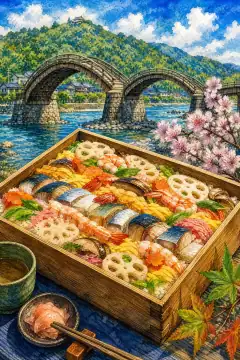
Iwakuni Sushi
岩国寿司
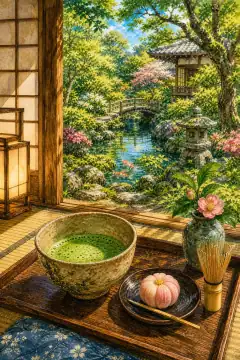
Matcha and Wagashi Experience
抹茶と和菓子体験
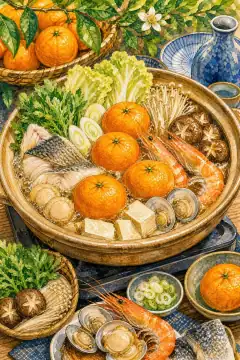
Mikan Nabe (Mandarin Orange Hot Pot)
みかん鍋
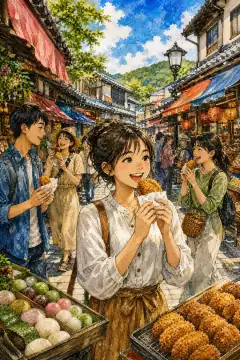
Shopping Arcade Food Walk
商店街での食べ歩き
About Yamaguchi
Yamaguchi Prefecture marks the westernmost point of Honshu, encompassing 6,112.89 square kilometers and about 1.25 million people, with the prefectural capital at Yamaguchi City while Shimonoseki is the largest city facing Kyushu. A low divide of the Chugoku Mountains runs through its middle, partitioning watersheds that drain to three contrasting seas, the Sea of Japan to the north, the sheltered Seto Inland Sea to the southeast, facing intensive industry, and the open Hibiki-nada to the west where wind turbines spin. Historically the lands of Nagato and Suo, the region flourished under the Ouchi clan in Muromachi times when Yamaguchi imitated Kyoto and handled lucrative trade with Ming China and Korea, leaving temples like Ruriko-ji five-story pagoda. Later the Mori clan established Choshu Domain, ruling from Hagi Castle town. During the Bakumatsu period Choshu turned into a cauldron for reformers, academy leader Yoshida Shoin and disciples Takasugi Shinsaku, Kido Takayoshi and later prime minister Ito Hirobumi pushed the Meiji Restoration, giving Yamaguchi an outsized role in modern Japan's formation. The 1871 abolition of domains merged Nagato and Suo into Yamaguchi Prefecture.Climatically the Seto Inland side enjoys mild dry winters and hot summers favorable for rice and citrus, while the Japan Sea side suffers cloudy winters, seasonal snow and strong northwesterly winds that shape fishing cycles and traditional architecture with high walls. Industry concentrates along the Seto coast where Shunan City houses one of Japan's most concentrated petrochemical and vinyl chloride complexes, Ube City is synonymous with cement and chemicals derived from limestone, and Shimonoseki retains ship repair, cement and seafood logistics. Natsumikan from Hagi stages a brilliant orange harvest and fugu processed in Shimonoseki passes through Haedomari Market to supply most of Japan's restaurants.The travel menu is especially photogenic: Iwakuni's Kintai Bridge with five consecutive wooden arches spanning the Nishiki River backed by samurai quarters, Akiyoshidai karst plateau stretching grassy sinkholes over 130 square kilometers with autumn silver grass, and its underworld Akiyoshido cave measuring 10 kilometers with dripstone terraces, Tsunoshima Bridge leaping over emerald shallows to a white-sand island voted Japan's most beautiful drive, Motonosumi Shrine where 123 scarlet torii gates snake down a green cliff to the Sea of Japan surf, and Hagi where castle ruins, old samurai residences and pottery kilns recall the clan school Meirinkan. Combined with minimal light pollution for stargazing over the plateau and fresh river ayu sweetfish grilling, Yamaguchi satisfies appetite for both history and raw natural aesthetics at Japan's western frontier.