Mizuky Workshop / An Illustrated Japan / Tohoku / Yamagata
Yamagata
40 illustrations · 山形県 · 山形县 · 山形縣
Yamagata in southwestern Tohoku faces the Sea of Japan with 9,323.00 square kilometres ninth largest with about 980,000 people falling below one million in 2025, capital Yamagata City core city 233,000. Mountains cover 85 percent with forest 75 percent, Asahi Range and Dewa Hills west, Ou Mountains east. The Mogamigawa River 229 kilometres called mother river irrigates four distinct cultural regions Murayama, Mogami, Okitama and Shonai each hosting prefectural branch offices. Famous as Japan's cherry capital with 70 percent of cherries and La France pears, plus rice Tsuyahime Haenuki and Yonezawa beef. Winter is heavy snow, summer can exceed 40 degrees, historic 40.8 Celsius record held for 74 years.
An Illustrated Japan

Famous Views
The sights a prefecture is known for — the ones on the postcards, and a few that should be.
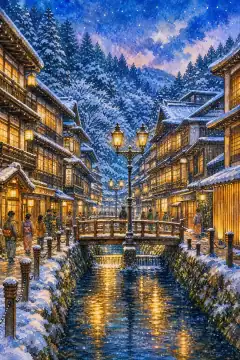
Ginzan Onsen
銀山温泉
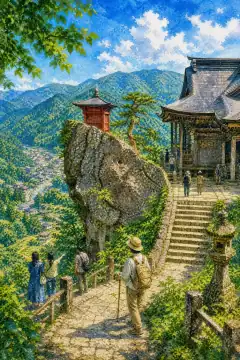
Yamadera
山寺(宝珠山立石寺)
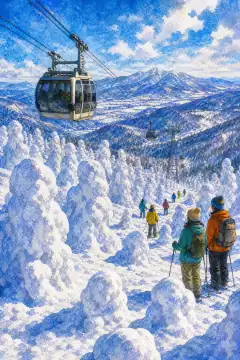
Zao Snow Monsters
蔵王の樹氷
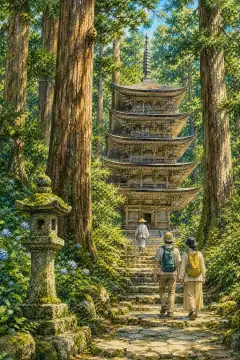
Hagurosan Gojun-to
羽黒山五重塔
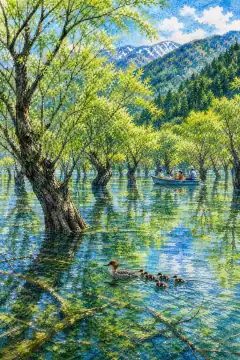
Shirakawa-ko Submerged Forest
白川湖の水没林
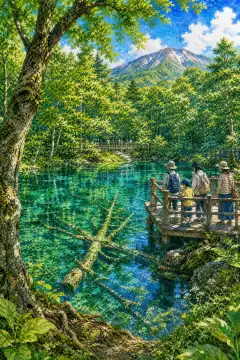
Maruike-sama
丸池様
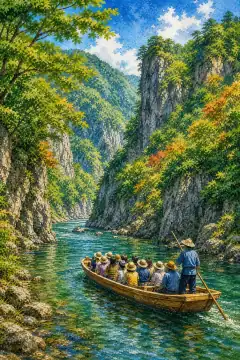
Mogami River Gorge
最上川峡
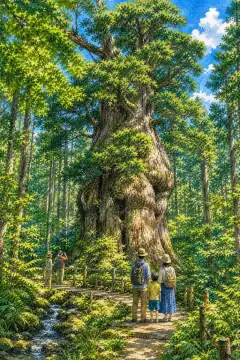
Totoro no Ki (Kosugi no Osugi)
トトロの木(小杉の大杉)
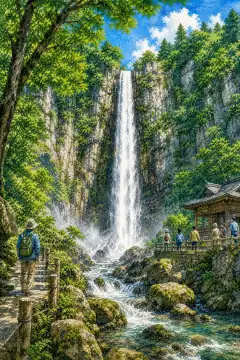
Gyokusen-no-taki
玉簾の滝
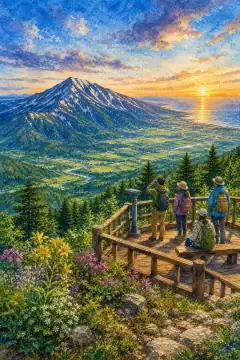
Mount Chokai (Horitate Observatory)
鳥海山(鋒立展望台)
An Illustrated Japan
Townscape & Scenery
Streets, harbours, hillsides: the places that give a prefecture its face.
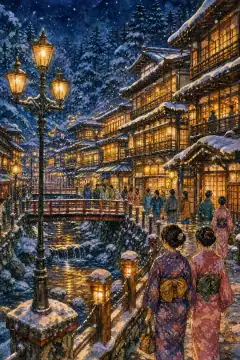
Ginzan Onsen
銀山温泉 (Ginzan Onsen)
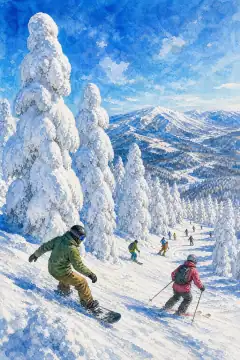
Zao Snow Monsters
蔵王の樹氷 (Zao Snow Monsters)
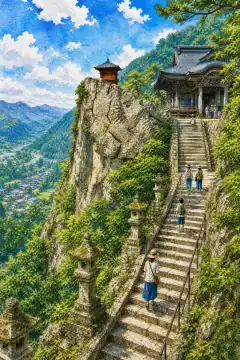
Yamadera (Risshaku-ji Temple)
山寺 / 立石寺 (Yamadera / Risshaku-ji Temple)
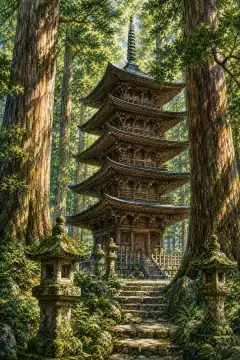
Five-Story Pagoda of Mount Haguro
羽黒山五重塔 (Haguro-san Five-Story Pagoda)
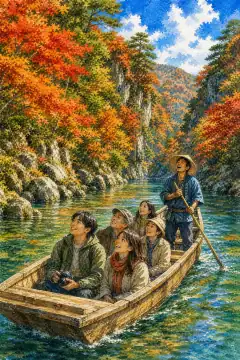
Mogami River Boat Ride
最上川の舟下り (Mogami River Boat Ride)
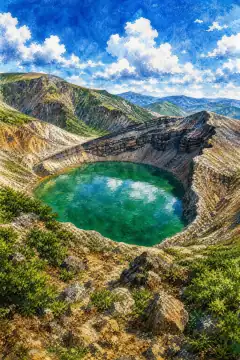
Okama Crater (Mount Zao)
御釜 (Okama Crater)
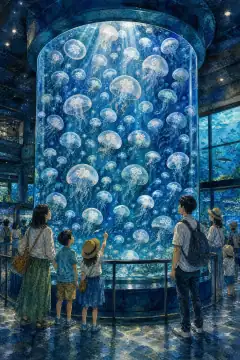
Kamo Aquarium
加茂水族館 (Kamo Aquarium)
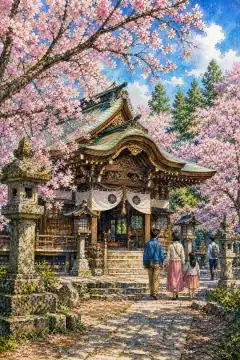
Uesugi Shrine
上杉神社 (Uesugi Shrine)
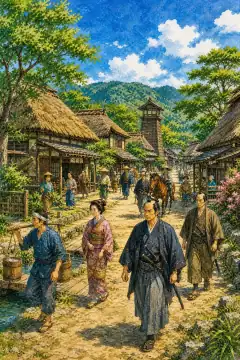
Shonai Film Village / Studio Sedic
庄内映画村 / スタジオセディック (Shonai Movie Village)
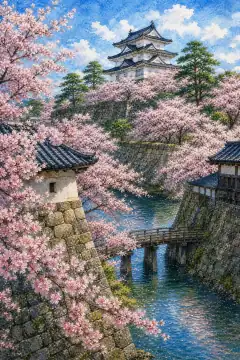
Yamagata Castle Ruins / Kajo Park
山形城跡 / 霞城公園 (Yamagata Castle Ruins / Kajo Park)
An Illustrated Japan
Culture & Tradition
Crafts, festivals, temples and the traditions still practised today.
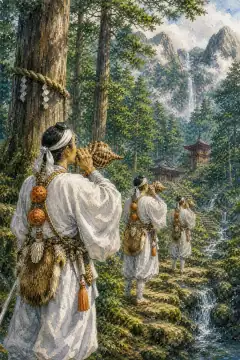
Dewa Sanzan (Three Mountains of Dewa)
出羽三山 (Dewa Sanzan)
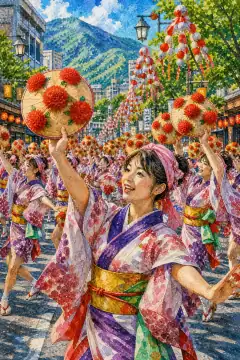
Yamagata Hanagasa Festival
山形花笠まつり (Yamagata Hanagasa Festival)
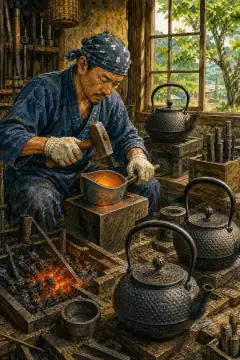
Yamagata Ironware
山形鋳物 (Yamagata Cast Iron)
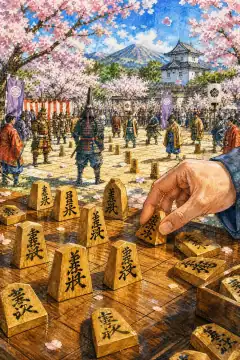
Tendo Shogi Pieces
将棋駒 (Shogi Pieces)
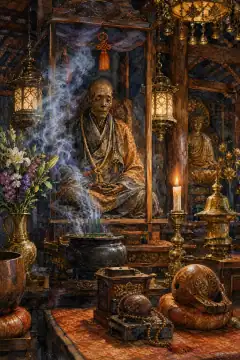
Sokushinbutsu (self-mummified monks)
即身仏 (Sokushinbutsu)
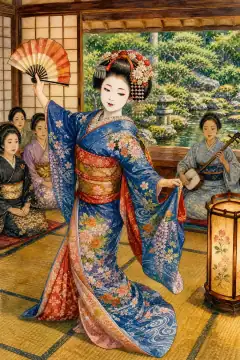
Mai-Musume (Maiko) Dance Culture
舞娘文化 (Maiko Culture)
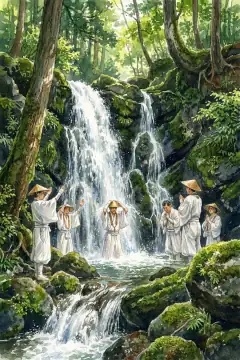
Yamabushi Experience
山伏体験 (Yamabushi Experience)
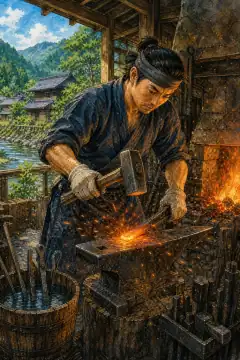
Blades & Blacksmithing
刃物・打刃物 (Blacksmithing)
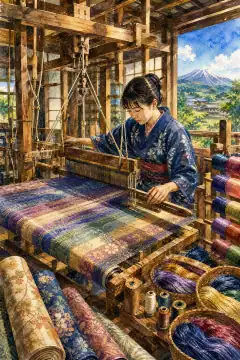
Silk Weaving (Tsuruoka)
絹織物 (Silk Weaving)
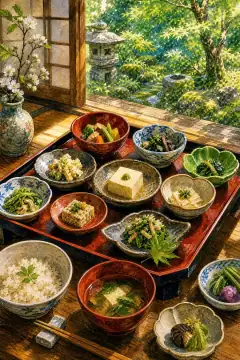
Shojin Ryori (Buddhist Temple Cuisine)
精進料理 (Shojin Ryori)
An Illustrated Japan
Life & Daily
Food, bathhouses, morning routines — what an ordinary day tastes like.
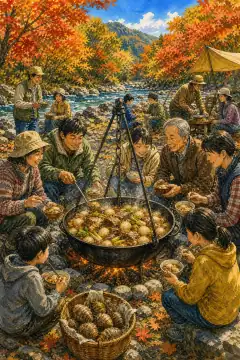
Imoni-kai (Imoni Party)
芋煮会 (Imoni-kai)
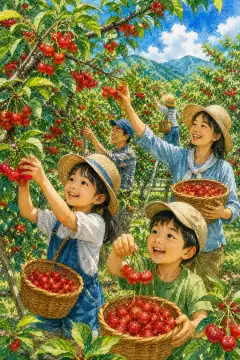
Cherry Picking
さくらんぼ狩り (Cherry Picking)
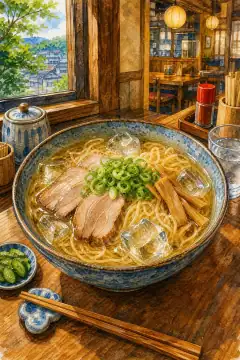
Chilled Ramen
冷たいラーメン (Chilled Ramen)
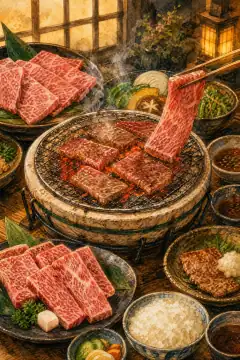
Yonezawa Beef
米沢牛 (Yonezawa Beef)
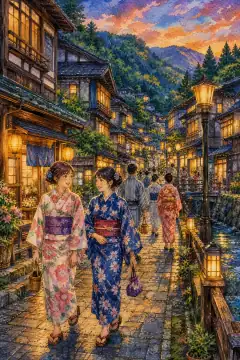
Yukata Strolls in Onsen Towns
温泉街での浴衣歩き (Yukata Stroll in Onsen Towns)
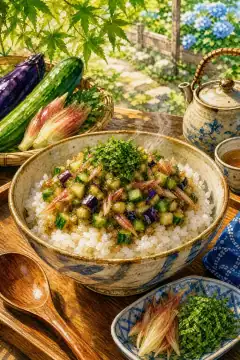
Dashi (Yamagata vegetable relish)
だし (Dashi)
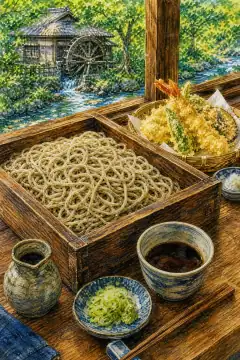
Ita Soba
板そば (Ita Soba)
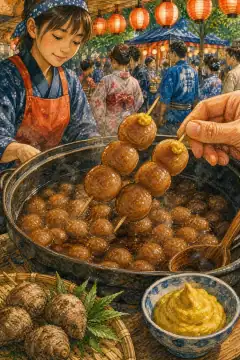
Tama Konnyaku (round konjac skewers)
玉こんにゃく (Tama Konnyaku)
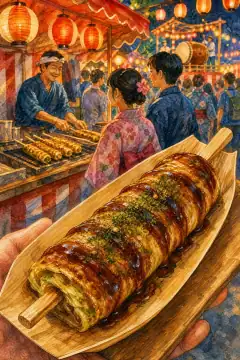
Dondonyaki
どんどん焼き (Dondonyaki)
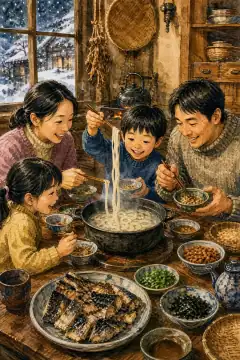
Hippari Udon
ひっぱりうどん (Hippari Udon)
About Yamagata
Yamagata Prefecture covers 9,323.00 square kilometres ninth largest population 980,512 July 1 2026 about 980,000 dropping below one million 2025 ranking 36th density 105 per sq km. Capital Yamagata City about 233,000 core city second largest Sakata Shonai after population shifts. Geography southwestern Tohoku facing Sea of Japan northwest with Tobishima island only island, eastern border Ou Mountains Azuma Zao dividing from Miyagi, western Asahi Mountains Dewa Hills. Mountains 85 percent forest 75 percent. Mogamigawa River one of Japan three fastest rivers flows north 229 km across prefecture called mother river irrigating four cultural regions Murayama Mogami Okitama Shonai each with branch office handling delegated affairs, each dialect different. Basins Yonezawa Yamagata Shinjo plain Shonai. History originally southern Dewa Province. At first Shonai belonged to Echigo Murayama-Mogami-Okitama to Mutsu. In 708 Dewa District established 709 Dewa stockade built 712 Oct Empress Genmei separated Mogami Okitama from Mutsu approved Dewa Province with capital at Kinowa stockade in Shonai. In 886 Mogami split into Murayama north Mogami south Ushu Highway completed. Medieval shoyen managed by Oshu-Fujiwara until Mogami Date Ohtori clans split. Sengoku Mogami Yoshiaki Date Masamune vied Uesugi moved to Yonezawa. Edo Mogami kaieki 1622 led to Yamagata domain Torii, Shonai Sakai, Yonezawa Uesugi Yozan known for reforms, Shinjo Tozawa others plus 200,000 koku tenryo. 1870 Sakataken merged with Yamagata Nagatoro 1876 merged with Okitama Tsuruoka fix borders. Climate entirely heavy snow zone about 75 percent special heavy snow zone except Shonai coastal. Excluding Shonai winter mean below zero continental lows below minus 15C in Okitama Murayama while summers exceed 40C Yamagata City 40.8C July 25 1933 held Japan record 74 years until 2007, recent 2013 40C again. Annual mean 11.4C Yonezawa 12.1 Yamagata City 13.0 Sakata snowfall 711 cm 285 cm 211 cm respectively Mogami Shinjo 637 cm Yamagata 285 cm mountain. Mogami gorge famous and poses concerns controlling ice melts leaving and the subsequent steady dooblast arrangement but fans exit well. Industry heavily agricultural cherries Sato Nishiki 70 percent Japan roses beni beni blooms prefectural flower cherry tree as tree La France 70 percent pears Tsuyahime Haenuki Yonezawa beef Mogami beef Shonai melon weaving iron casting. Breweries low humidity. Tourism Zao snow monsters juhyo winter icicles shaped in pine trees January February best plus onsen ski Nagahama? Actually Shizuku? Dewa Sanzan shrines Haguro-san Gassan Yudono-san mountain asceticism ultimate practice Dewa Sanzan, Risshaku-ji temple Yamadera 1,015 stone steps founded by Jikaku Daishi with Basho haiku stillness? Ginzan Onsen Taisho romantic wooden inns originally silver mine bathing facility designed quickly after Ginza transformation gaslight might need considering Mizuna? Yamagata Hanakasa Festival August linked to benibana harvest dance originated 1963 benibana hat with 5,000 dancers, imoni taro stew gatherings riverbanks autumn using 6 metre pot Shonai dialect. Sakata Sanno warehouse Kamo Aquarium jelly 60 varieties world record. Food combinations exist includes Hanagasa pakk with doumaki skewer.