Mizuky Workshop / An Illustrated Japan / Tohoku / Iwate
Iwate
40 illustrations · 岩手県 · 岩手县 · 岩手縣
Iwate is Japan's second largest prefecture after Hokkaido at 15,273.78 square kilometres with about 1.11 million people, capital Morioka core city. Nestled between Ou Mountains west and Kitakami Highlands east, the Kitakami Basin holds 80 percent of population along the Kitakami River. Pacific coast is dramatic Sanriku ria with Jodogahama and Honshu's easternmost Cape Todo. History stretches from Oshu Fujiwara golden kingdom in Hiraizumi to Nambu and Date domains. It is famed for UNESCO Chusonji Golden Hall, Sansa dance, southern ironware, wanko soba and livestock including Tankaku beef and cold-resistant agriculture.
An Illustrated Japan

Famous Views
The sights a prefecture is known for — the ones on the postcards, and a few that should be.
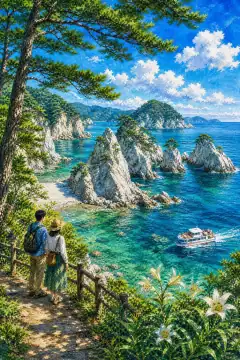
Jodogahama
浄土ヶ浜
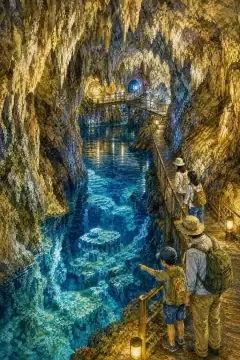
Ryusendo Cave
龍泉洞
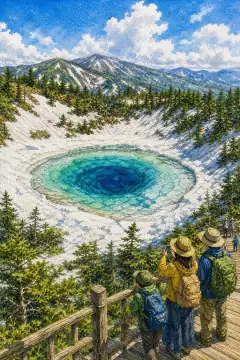
Hachimantai Dragon's Eye
八幡平ドラゴンアイ
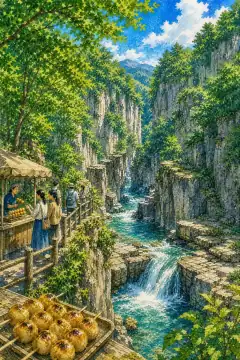
Genbi Gorge
厳美渓
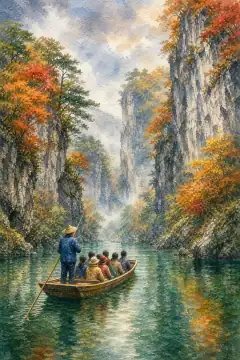
Geibikei Gorge
猊鼻渓
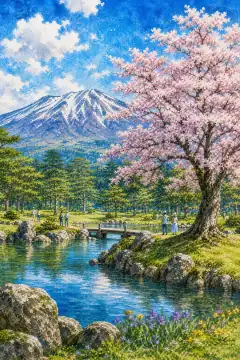
Koiwai Farm Lone Cherry Tree
小岩井農場の一本桜
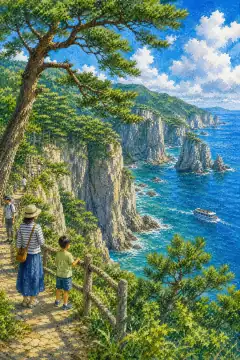
Kitayama-zaki
北山崎
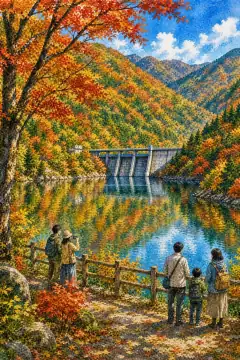
Kinshu-ko
錦秋湖
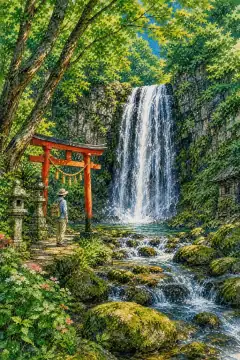
Fudo Falls
不動の滝
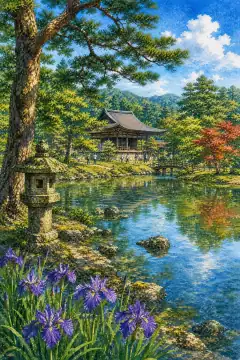
Motsuji Garden
毛越寺庭園
An Illustrated Japan
Townscape & Scenery
Streets, harbours, hillsides: the places that give a prefecture its face.
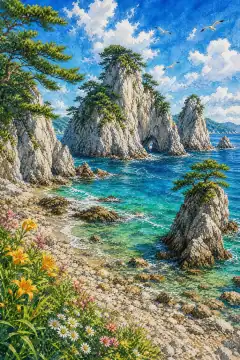
Jodogahama Beach
浄土ヶ浜
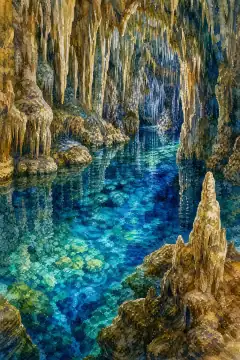
Ryusendo Cave
龍泉洞
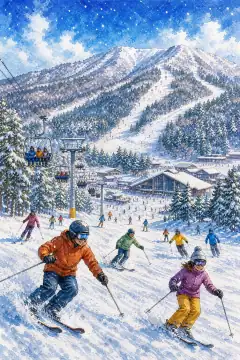
Appi Kogen
安比高原
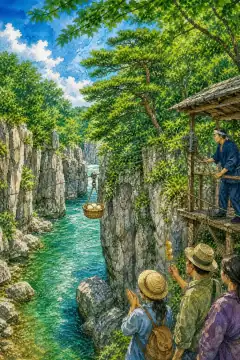
Genbikei Gorge
厳美渓
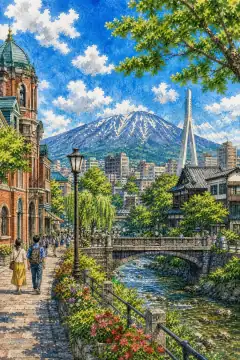
Morioka Streetscape
盛岡の街並み
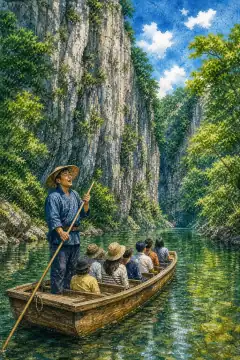
Geibikei Gorge
猊鼻渓
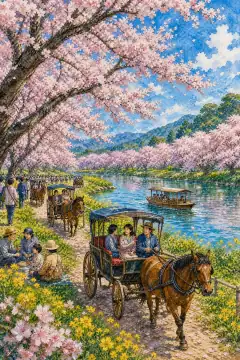
Kitakami Tenshochi Park
北上展勝地
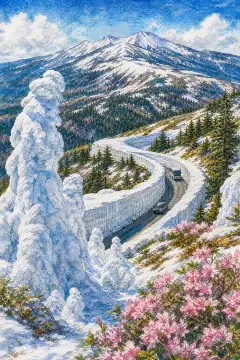
Hachimantai Frost-Covered Trees and Snow Corridor
八幡平の樹氷と雪の回廊
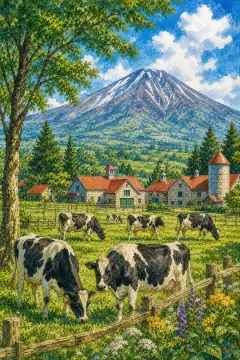
Koiwai Farm
小岩井農場
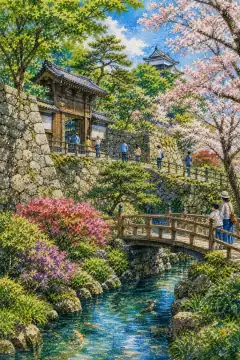
Morioka Castle Site Park (Iwate Park)
盛岡城跡公園(岩手公園)
An Illustrated Japan
Culture & Tradition
Crafts, festivals, temples and the traditions still practised today.
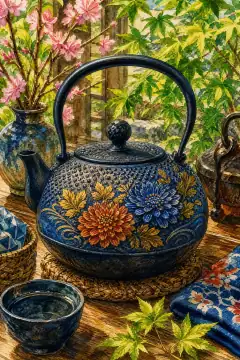
Nambu ironware (Nambu Tekki)
南部鉄器
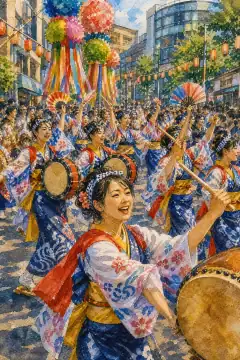
Morioka Sansa Odori (Sansa Dance)
さんさ踊り
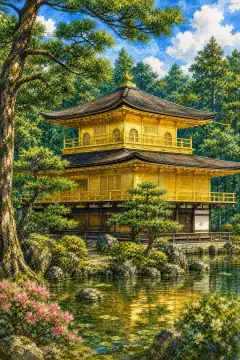
Konjiki-dō (Golden Hall), Chūson-ji Temple
中尊寺金色堂
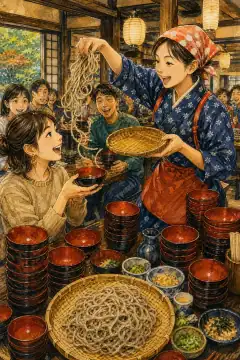
Wanko Soba
わんこそば
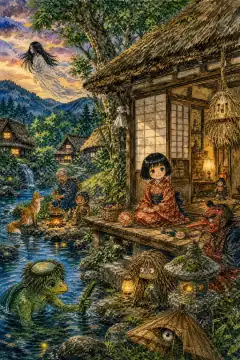
Tono Folktales
遠野の昔話
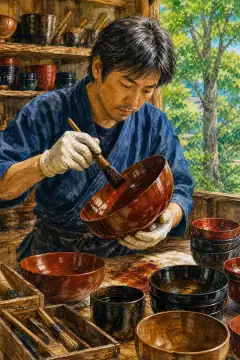
Joboji Lacquer
浄法寺漆
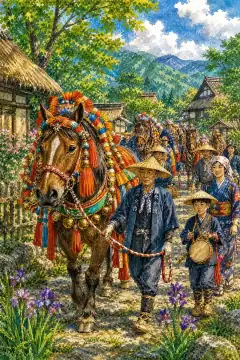
Chagu Chagu Umakko
チャグチャグ馬コ
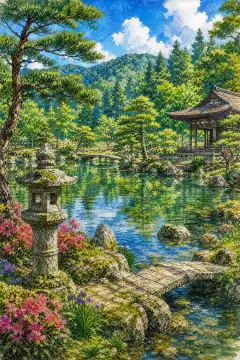
Pure Land Garden at Motsu-ji Temple
毛越寺の浄土庭園
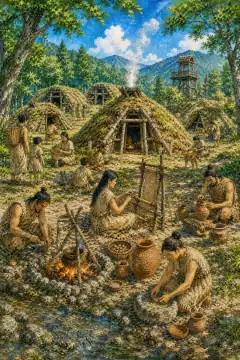
Goshono Site (Jomon Culture)
縄文文化(御所野遺跡)
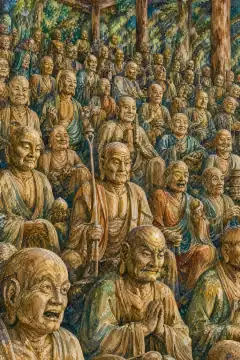
Five Hundred Rakan at Hoon-ji Temple
報恩寺の五百羅漢
An Illustrated Japan
Life & Daily
Food, bathhouses, morning routines — what an ordinary day tastes like.
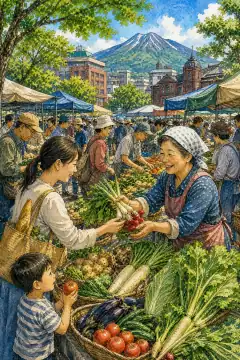
Mikoda Morning Market
神子田朝市
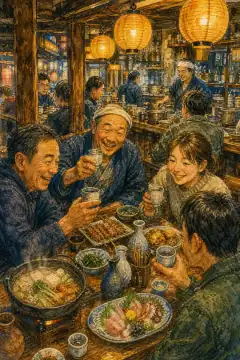
Local Sake Experience at an Izakaya
居酒屋での地酒体験
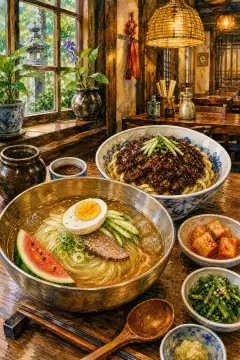
Morioka Reimen and Jajamen
盛岡冷麺・じゃじゃ麺
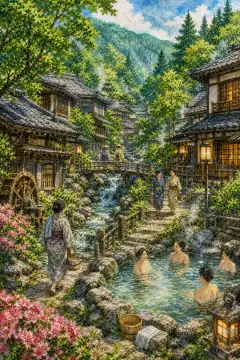
Tōji (Hot Spring Therapy) Culture in Onsen Towns
温泉街での湯治文化
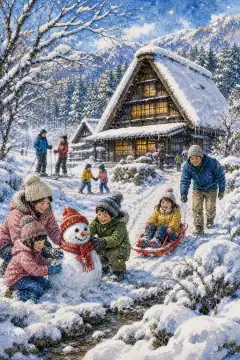
Snow Country Living Experience
雪国の暮らし体験
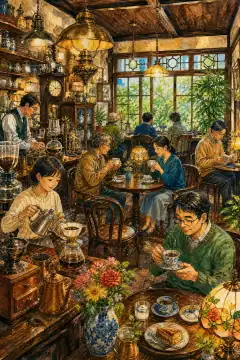
Retro Café Culture in Morioka
レトロな喫茶店文化
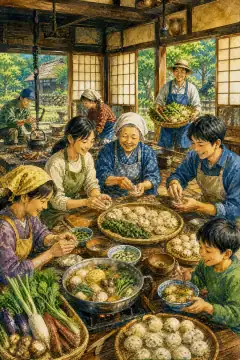
Farmhouse Homestay: Rural Life Experience
農家民宿での田舎暮らし
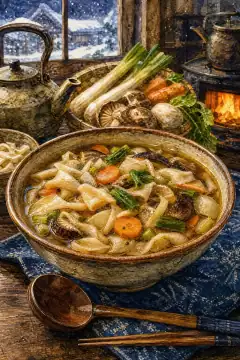
Hittsumi (hand-torn dumpling soup)
ひっつみ汁
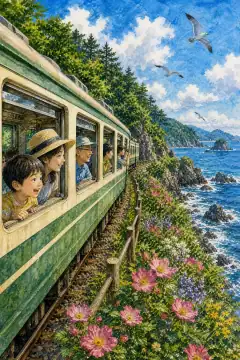
Local Train Journey on the Sanriku Railway
三陸鉄道でのローカル線旅
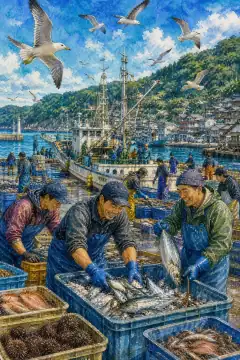
Daily Life in a Fishing Town
漁師町の日常風景
About Iwate
Iwate Prefecture spans 15,273.78 square kilometres, largest in Honshu and second nationwide after Hokkaido, with estimated population 1,112,377 on July 1 2026 about 1.11 million density 72.8 per square kilometre ranking low. Capital Morioka holds about 276,000 people core city with about ten percent of prefectural population share among dispersed cities. Geography has Ou Mountains on west border with Akita peaking at Mount Iwate 2,038 metres called Nanbu Fuji, Kitakami Highlands in east with Mount Hayachine 1,917 metres, and Kitakami Basin between where Tohoku's largest Kitakami River flows 249 kilometres south gathering population. About 80 percent lives inland. Eastern Pacific is ria coast part of Sanriku Fukko National Park with Jodogahama white rocks and Cape Todo easternmost of Honshu. History in Ritsuryo times covered northern Mutsu and Rikuchu. In Heian to medieval golden age Abe, Kiyohara and Oshu-Fujiwara ruled building Chuson-ji Konjiki-do in Hiraizumi as eastern Kyoto aspiring to Pure Land Buddhism. In Edo, Nambu domain in north 100,000 koku and Date domain 620,000 koku in south divided. In 1871 haihan-chiken created Morioka Prefecture renamed Iwate in 1872 after Iwate District around Morioka, present borders set in 1876 after exchanges with Aomori and Miyagi, kanji unified from Iwa-te to Gan-te confusion ended 1923. Climate is entirely heavy snow zone with Nishi-Waga former Matsuo as special heavy snow zone coverage over 60 percent, Young participants whose higher school districts need no better driver but rather a car occupying fixed distance including Mu youth district. Inland shows continental Dfb Dfa winter mean below freezing lows often minus 15 to minus 20 Celsius, Morioka Yabukawa 23.8 Celsius negative recorded minus 25.8 Celsius in 2012 lowest for Honshu excluding Fuji summit, summer over 35 Celsius inland. Pacific coast milder with less snow but yamase cold fog. Annual precipitation inland about 1,200 millimetres coastal 1,400. Industry rice wanko soba barley dairy Koiwai Farm established 1891 largest private farm with brand milk, livestock Iwate Tan-kaku beef famed muscular, Nambu beef, chicken and pork, metal casting Mizusawa Nambu ironware 900-year tradition, lacquer Joboji at Ninohe 78 percent of Japan, amber at Kuji. Semiconductors and auto parts in Kitakami Ichinoseki with Toyota and Kioxia factories inviting trained hospitals perhaps rare horse. Forestry and oyster sea urchin wakame farming at Sanriku. Tourism highlights UNESCO World Heritage Hiraizumi temples Chuson-ji Golden Hall covered in gold leaf preserving Fujiwara mummies and Motsu-ji Pure Land garden, Morioka Castle ruins and nationally known Ishiwari-zakura cherry tree splitting boulder, Jodogahama in Miyako with white tuff cliffs, Ryusendo cave with crystal blue lake, Tono kappa folklore village with tales collected by Kunio Yanagita, Oshu Fujiwara no Sato movie set for historical dramas, Hachimantai dragon eye pond where snow melt forms dragon eye in May June, Hanamaki onsen hometown of poet Kenji Miyazawa author of Night on the Galactic Railroad, Shizukuishi ski and Appi Kogen resort, and Sansa Odori drum dance festival first weekend in August with 10,000 drummers one of Tohoku five great festivals. Lake Tazawako and Towada western shares.