Mizuky Workshop / An Illustrated Japan / Tohoku / Miyagi
Miyagi
40 illustrations · 宮城県 · 宫城县 · 宮城縣
Miyagi lies in southeastern Tohoku with 7,281.12 square kilometres including undetermined borders and about 2.22 million residents, the most in Tohoku with density 305. Capital Sendai, the City of Trees, holds about 1.09 million, Tohoku's only designated major city and million-plus city forming a 1.52 million metro with 68 percent of prefecture. Geography spans from Ou Mountains with Mount Kurikoma and Zao 1,825 metres to Sendai Plain and Pacific coast with Matsushima Bay counted among Japan's Three Scenic Views holding 260 islands. It is famed as rice birthplace of Sasahishiki and Hitomebore and as fisheries leader with three national Category 3 ports Kesennuma, Ishinomaki and Shiogama, the only prefecture with three.
An Illustrated Japan

Famous Views
The sights a prefecture is known for — the ones on the postcards, and a few that should be.
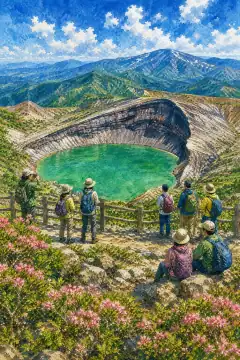
Okama Crater Lake
御釜
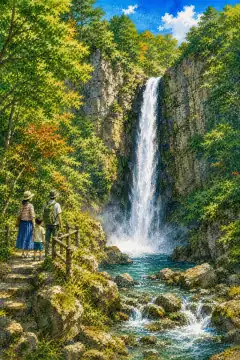
Akiu Falls
秋保大滝
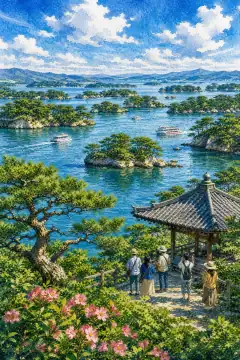
Matsushima
松島
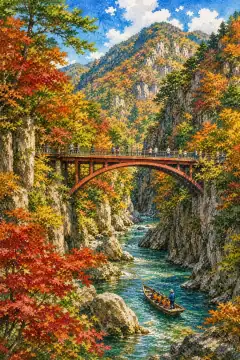
Naruko Gorge
鳴子峡
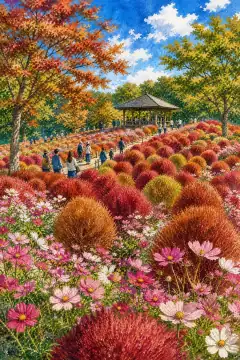
Yakurai Garden
やくらいガーデン
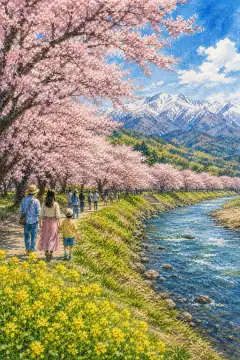
Hitome Senbonzakura
一目千本桜
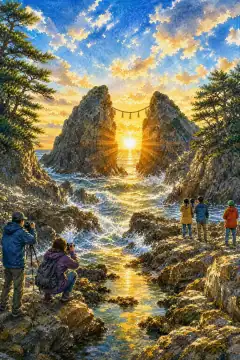
Kamiwarizaki
神割崎
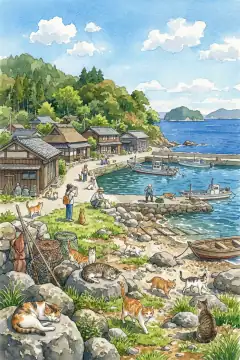
Tashirojima
田代島
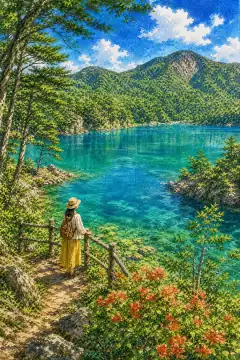
Katanuma Caldera Lake
潟沼
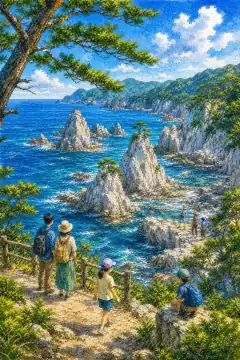
Kyogama-Hanzo
巨釜半造
An Illustrated Japan
Townscape & Scenery
Streets, harbours, hillsides: the places that give a prefecture its face.
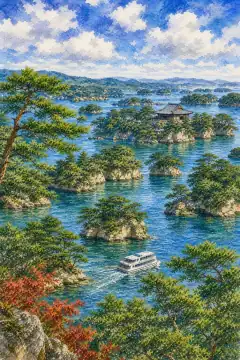
Matsushima Bay
松島湾
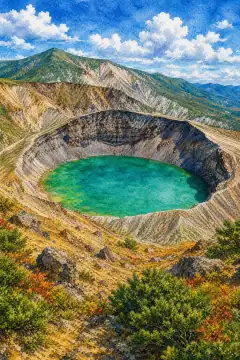
Okama Crater (Mount Zao)
蔵王の御釜
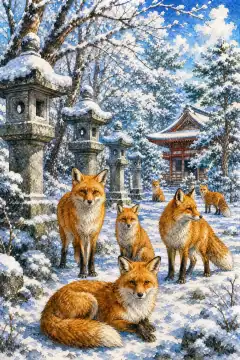
Zao Fox Village
蔵王キツネ村
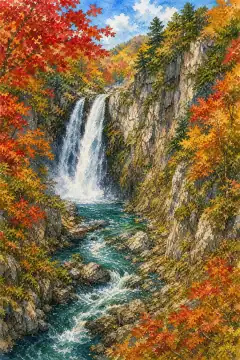
Akiu Great Falls and Rairaikyo Gorge
秋保大滝と磊々峡
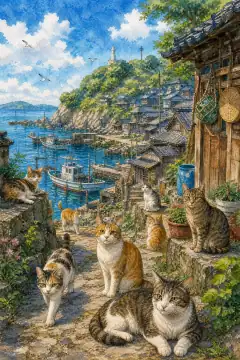
Tashirojima (Cat Island)
田代島(猫島)
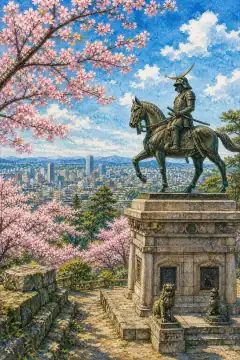
Sendai Castle Ruins (Aoba Castle)
仙台城跡(青葉城跡)
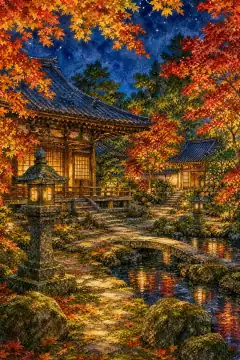
Zuigan-ji Temple and Entsu-in Temple
瑞巌寺と円通院
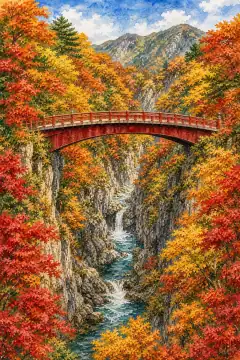
Naruko Gorge
鳴子峡
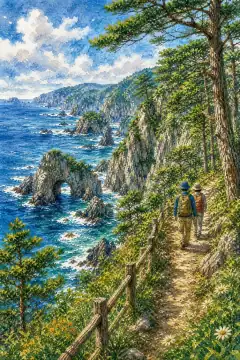
Coastline of Sanriku Fukko National Park
三陸復興国立公園の海岸線
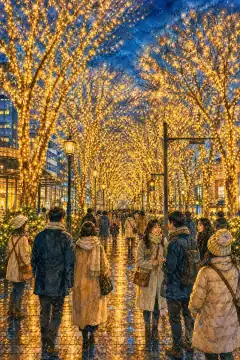
Jozenji-dori, Sendai
仙台の定禅寺通
An Illustrated Japan
Culture & Tradition
Crafts, festivals, temples and the traditions still practised today.
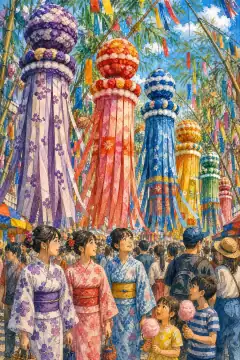
Sendai Tanabata Festival
仙台七夕まつり
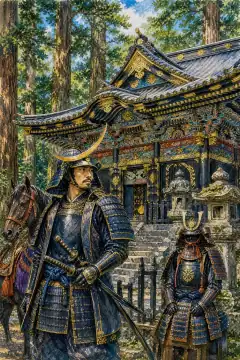
Date Masamune and Samurai Culture
伊達政宗と武士文化
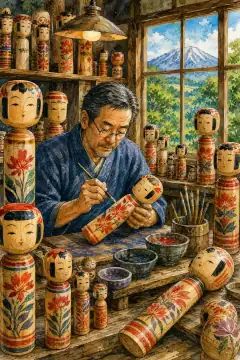
Naruko Kokeshi
鳴子こけし
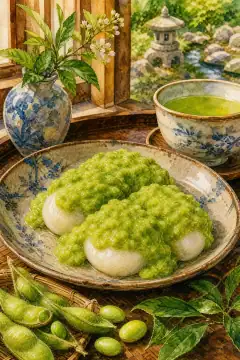
Zunda mochi
ずんだ餅
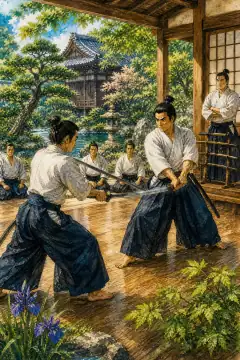
Traditional Martial Arts (Yagyū Shingan-ryū)
伝統武術(柳生心眼流)
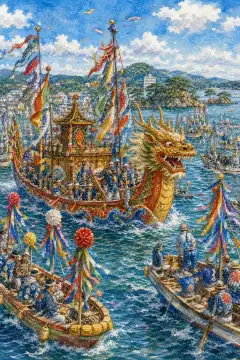
Shiogama Port Festival
塩竈みなと祭

Ogatsu Inkstone (Ogatsu Suzuri)
雄勝硯(おがつすずり)
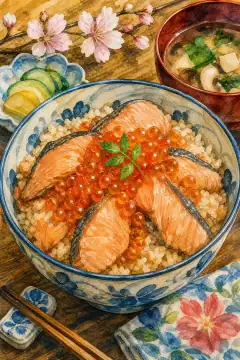
Harako-meshi (salmon and salmon roe rice)
はらこ飯
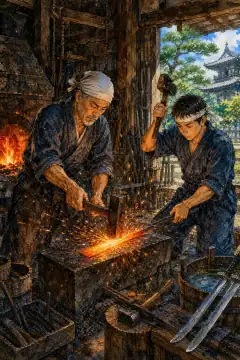
Japanese Swordsmithing Experience
日本刀鍛冶体験
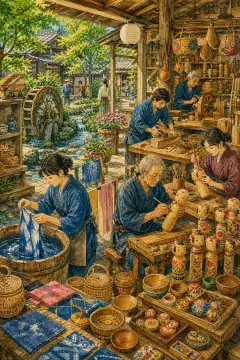
Akiu Craft Village
秋保工芸の里
An Illustrated Japan
Life & Daily
Food, bathhouses, morning routines — what an ordinary day tastes like.
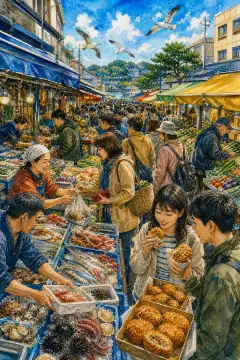
Sendai Morning Market (Sendai Asaichi)
仙台朝市
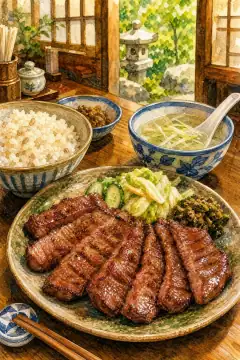
Gyutan (Grilled Beef Tongue)
牛タン焼き
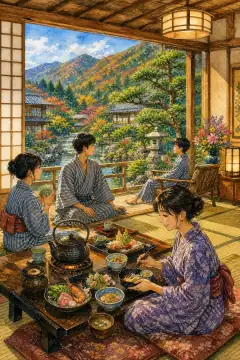
Ryokan stay at an onsen
温泉旅館での滞在
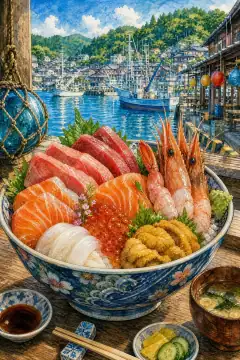
Seafood Rice Bowl in a Fishing Town (Onagawa-don)
漁師町での海鮮丼(女川丼)
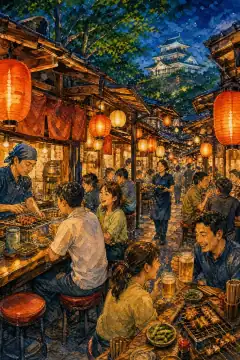
Izakayas and Yatai (street-food stall) villages
居酒屋と屋台村
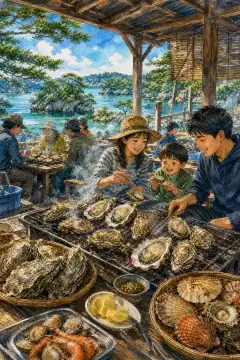
Seafood Barbecue at an Oyster Hut
牡蠣小屋での海鮮バーベキュー
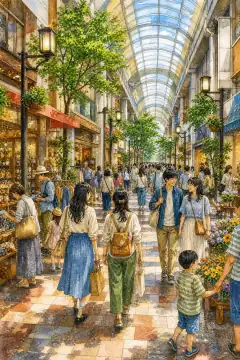
Stroll through Sendai's Arcade Shopping Streets
仙台のアーケード街散策
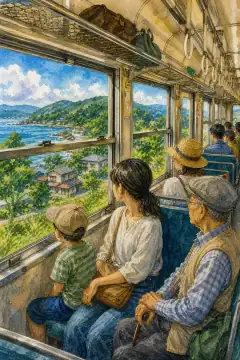
Local Train Journeys
ローカル線での鉄道旅
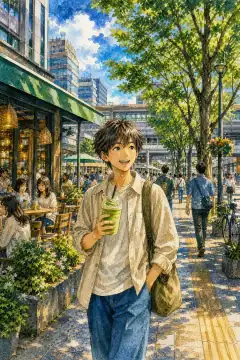
Sendai Café Culture and Zunda Shakes
仙台のカフェ文化とずんだシェイク
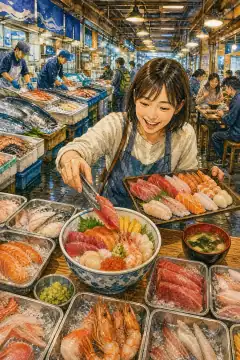
Create Your Own Seafood Rice Bowl at Shiogama Fish Market
塩釜水産物仲卸市場でのマイ海鮮丼作り
About Miyagi
Miyagi Prefecture area 7,281.12 square kilometres with some undetermined boundaries, population 2,218,334 July 1 2026 about 2.22 million most populous in Tohoku density 305 per sq km. Capital Sendai about 1,094,016 core city forming metro 1.52 million 68 percent. Geography western border is Ou Mountains with Mount Kurikoma 1,627m and Zao Range Byobu-dake 1,825m as highest. Central to southeast spreads Sendai Plain fertile alluvium from Kitakami and Abukuma rivers, with Osaki plains as rice granary. East faces Pacific northern Sanriku ria with Kesennuma and Ishinomaki fishing ports, central Matsushima Bay 260 islands considered Japan Three Scenic Views, southern Sendai Bay sandy beach. Lakes include Izunuma-Uchinuma Ramsar wetlands for migrating geese. History since Kofun period under Yamato with Raijin-yama keyhole tomb, later Mutsu provincial capital Tagajo eighth century built. Medieval Osaki, Kasai, Rusu clans until Date Masamune moved from Yonezawa to Iwadeyama and built Sendai Castle 1600 ruling Sendai domain 620,000 koku through Edo as Tohoku's largest daimyo. After Meiji Restoration domains abolished 1871 Tome Ishinomaki Iwadeyama Kakuda Sendai prefectures coexisted renamed 1872 from Miyagi District to Miyagi Prefecture borders fixed 1876 combining parts Ichinoseki of Iwate and Fukushima. Climate is generally Pacific climate but 45 percent area is heavy snow zone mountainous west above 1,500m sees minus 10-15C in winter snow over 300cm while coastal Sendai averages 12.8C annual mean only 59cm snow with cool foggy summers from yamase east wind, precipitation 1,230mm. Influences from Japan Sea cause cloud in mountains. Industry rice central with Sasahishiki Hitomebore brands from Osaki kodo flatlands world agricultural heritage site recognised by Food and Agricultural Organization. Traditional vegetables Sendai hakusai Sendai mizuna, fruit strawberry pear, certified Sendai beef Miyagino pork. Major fisheries with three Category 3 ports Kesennuma Ishinomaki Shiogama more than any other prefecture, landing bonito October peak Japan number one, saury tuna marlin plus aquaculture wakame nori oyster scallop sea squirt coho salmon. Manufacturing in Sendai port inland produces electronics Toyota auto parts paper. Crafts Naruko kokeshi lacquer Shiroishi washi Tsutsumi-yaki pottery. Tourism includes Matsushima Temple Zuigan-ji designated National Treasure, Zao Okama crater lake emerald colour and fox village with 100 foxes, Akiu Naruko onsen, Sendai Tanabata star festival Aug 6-8 with colourful streamers raising three million visitors, Shiogama shrine, Kinkasan islet pilgrim path three-year continuous visit faith, World Yatani primrose wetland near Kurikoma, Sanno warehouse in Sakata. Local cuisine gyutan barbecued beef tongue zunda mochi edamame. Transport Tohoku Shinkansen and Sendai Airport as hub.