Mizuky Workshop / An Illustrated Japan / Kansai / Nara
Nara
40 illustrations · 奈良県 · 奈良县 · 奈良縣
Nara Prefecture is an inland prefecture in the Kinki region with Nara City as its capital, corresponding to ancient Yamato Province where the Japanese state originated. It served as the location of Heijo-kyo, the imperial capital from 710 to 794, profoundly influencing Japanese culture through Buddhism imported from China. Surrounded by mountains except the Nara Basin, it is characterized by dense forests and limited habitable land. Nara is famous for traditional crafts, Yoshino cedar, persimmons, goldfish breeding, and its eight UNESCO World Heritage monuments including Todai-ji Temple and Horyu-ji Temple, plus free-roaming deer in Nara Park.
An Illustrated Japan

Famous Views
The sights a prefecture is known for — the ones on the postcards, and a few that should be.
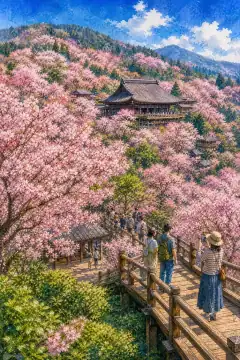
Yoshinoyama
吉野山
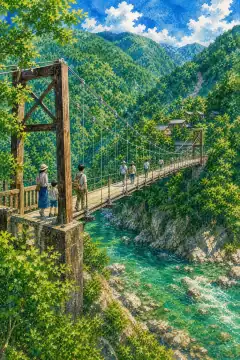
Tanize no Tsuribashi
谷瀨の吊り橋
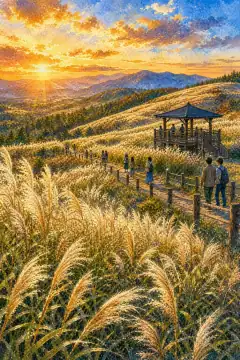
Soni-kogen
曽爾高原
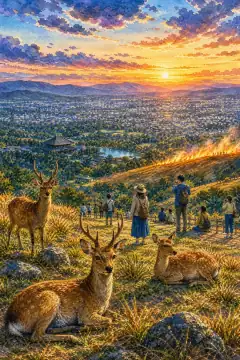
Wakakusa-yama
若草山
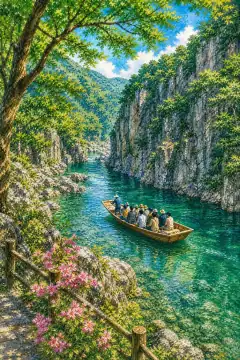
Jōkyō Gorge
瀞峡
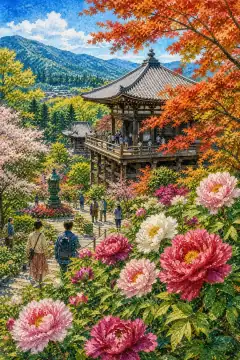
Hase-dera
長谷寺
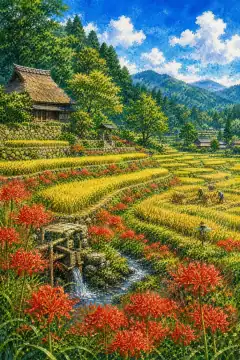
Inabuchi no Tanada
稲渕の棚田
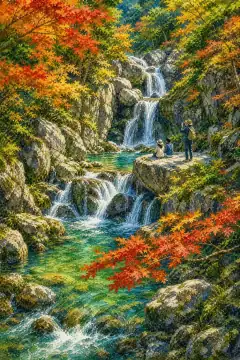
Mitarai Keikoku
みたらい渓谷
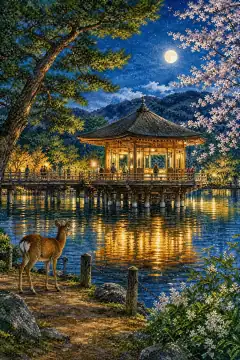
Ukimidō
浮見堂
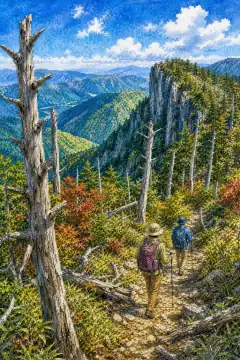
Ōdaigahara
大台ヶ原
An Illustrated Japan
Townscape & Scenery
Streets, harbours, hillsides: the places that give a prefecture its face.
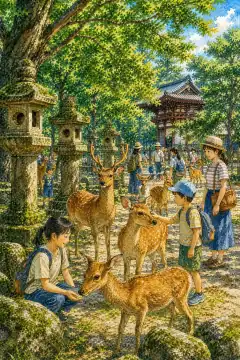
Nara Park and the Wild Deer
奈良公園と野生の鹿
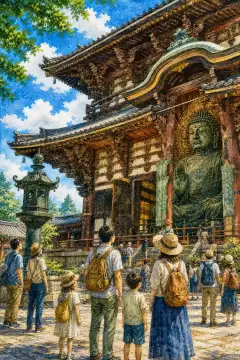
Todai-ji Temple and the Great Buddha
東大寺と大仏
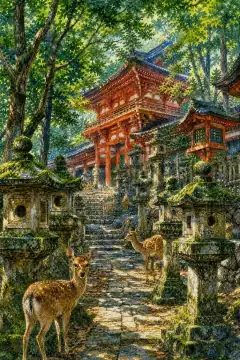
Kasuga Taisha (Kasuga Grand Shrine) and Stone Lanterns
春日大社と石灯籠
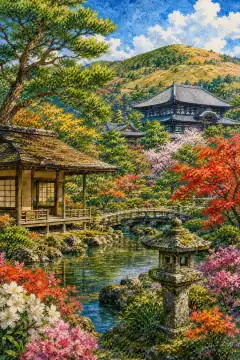
Isuien Garden and Yoshikien Garden
依水園・吉城園
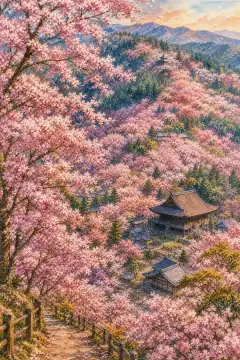
Mount Yoshino's Cherry Blossoms
吉野山の桜
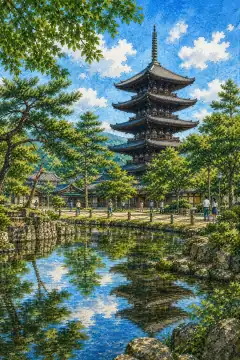
Five-Story Pagoda of Kofuku-ji
興福寺の五重塔
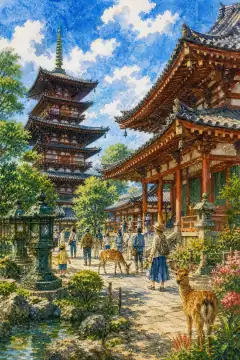
Yakushi-ji and Tōshōdai-ji
薬師寺と唐招提寺
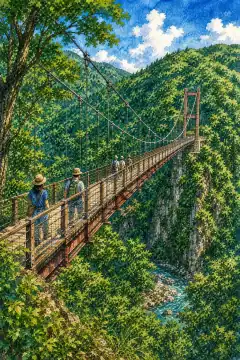
Tanize Suspension Bridge
谷瀬の吊り橋
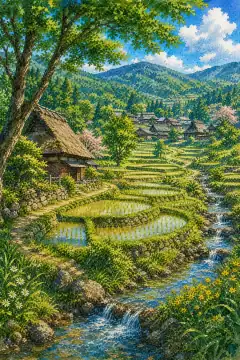
Asuka Terraced Rice Fields and Countryside
飛鳥の棚田と田園風景
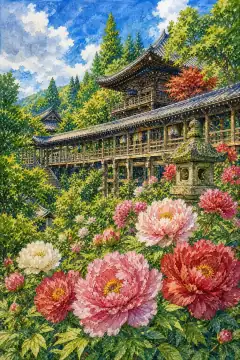
Peonies and the Long Covered Stairway at Hase-dera Temple
長谷寺の牡丹と回廊
An Illustrated Japan
Culture & Tradition
Crafts, festivals, temples and the traditions still practised today.
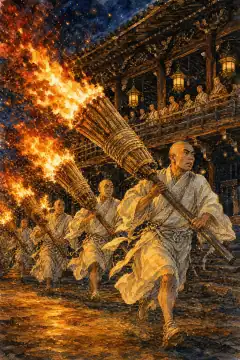
Omizutori (Shuni-e) at Tōdai-ji Temple
東大寺のお水取り(修二会)
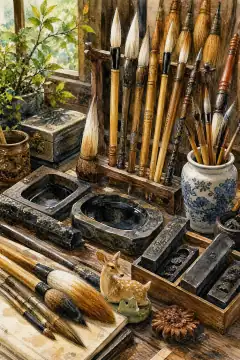
Nara Brushes and Sumi Ink (Traditional Crafts)
奈良の筆・墨(伝統工芸)
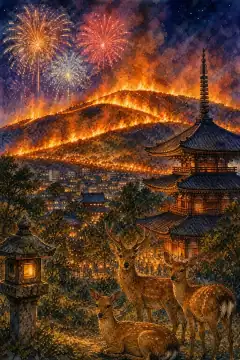
Wakakusa Yamayaki (Wakakusa Fire Festival)
若草山焼き
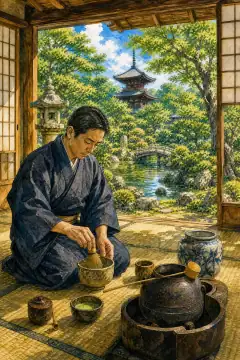
Tea Ceremony and Matcha Culture in Nara
奈良の茶道・抹茶文化
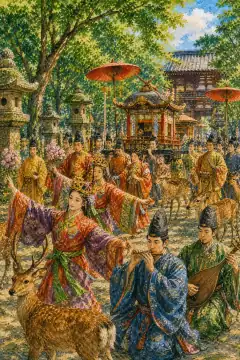
Kasuga Wakamiya On-Matsuri
春日若宮おん祭
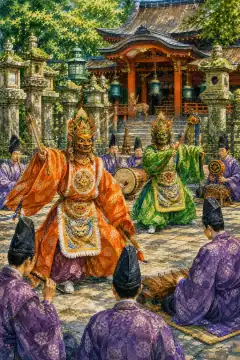
Gagaku and Bugaku
雅楽と舞楽
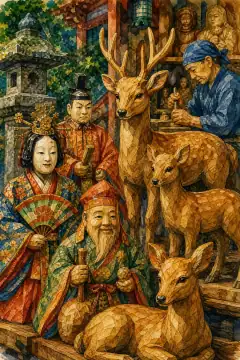
Nara Ittō-bori woodcarving
奈良一刀彫
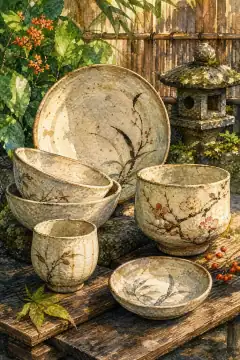
Akahada ware
赤膚焼
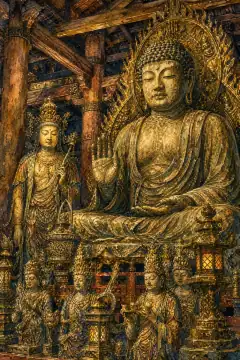
Asuka-period Buddhist Sculptures
飛鳥時代の仏像彫刻
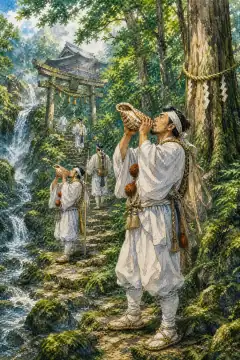
Yoshino Shugendō
吉野の修験道
An Illustrated Japan
Life & Daily
Food, bathhouses, morning routines — what an ordinary day tastes like.
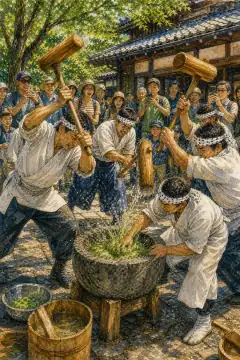
Nakatanidou's High-Speed Mochi Pounding
中谷堂の高速餅つき
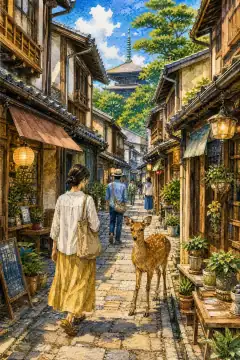
Stroll through Naramachi
ならまちの散策
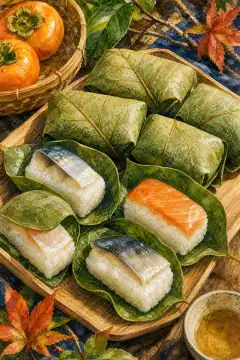
Kakinoha-zushi (Persimmon-Leaf Sushi)
柿の葉寿司
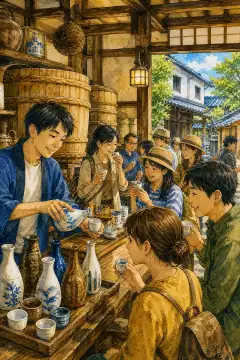
Nara Local Sake Tasting Experience
奈良の地酒(日本酒)体験
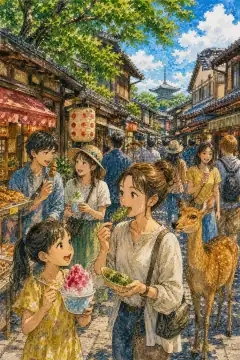
Shopping Street Food Crawl
商店街での食べ歩き
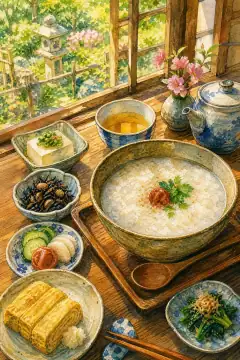
Nara Morning Activities: Chagayu (Tea Porridge)
奈良の朝活・朝粥
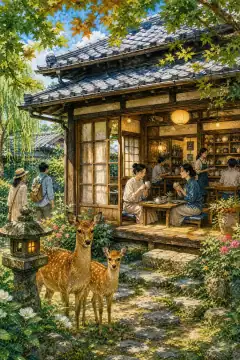
Kominka Cafe & Guesthouse
古民家カフェ・ゲストハウス
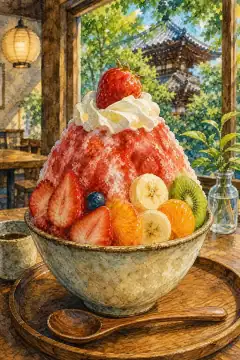
Nara Shaved Ice (Nara Kakigori)
奈良のかき氷
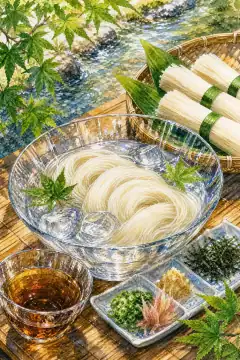
Miwa Somen
三輪そうめん
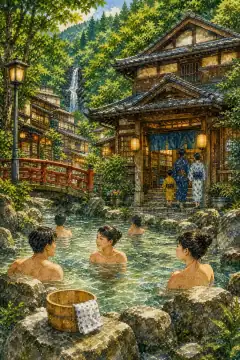
Public Baths and Retro Hot Springs
銭湯・レトロ温泉
About Nara
Nara Prefecture lies inland central southern Kinki on Kii Peninsula area 3,690.94 square kilometers 40th smallest landlocked prefecture with lowest habitable ratio 31 percent just 689 sq km habitable lowest Japan population about 1.266 million July 1 2026 density 343 capital Nara City 343,000 core city plus 12 cities 15 towns 12 villages distributed. Geography northwest Nara Basin Yayoi Plain 300 km where 90 percent people live east bounded Ikoma mountains west bounded Nara hills while southern 70 percent is Kii Mountains up to Mount Hakkyo 1,914 meters Yagi region Shaka highest in Kinki region mountainous forest terrain sub 12 degrees primeval forest beech. Historically identical Yamato Province birthplace Japanese civilization early dialects Yamato court early Emperor Jinmu from Miyazaki arrival supposed final area Nara, Nara City was Heijo-kyo imperial capital during Nara Period 710 to 794 many parts with influence Tang China Buddhism construction Todai-ji and Heijo Palace 130 ha complex imitation Chang'an. Modern prefecture first established after 1871 abolition han Sakurai Gojo regions merged into Nara Prefecture, abolished 1876 merged into Sakai then Osaka Prefecture 1876 due financial reasons, re-established independent 1887 November 4 citizen movement after modernization success. Climate inland basin summers humid hot 35 degrees with mosquitoes winters cold basin chill morning minus 1 frost frequent year 100 days snow rare ground freeze, southern mountains high rainfall summer 2,500 mm humid preventing agriculture but supporting forest high based protection UNESCO. Industry includes traditional crafts such as Nara calligraphy brushes Fude 90 percent Japan high luxury hair weasel making delicate ink exact, sumi ink of Nara 1400 hundred craft for calligraphy dense black Nara, tea whisk chasen from Takayama village bamboo carving 16 cut required bamboo scooter 120 rings processes 90 percent country, socks largest production in Japan 30 percent mainly Hirano Koryo regions including sport technical underwear, baseball gloves gloves Mizuno main factory large production 25 percent plus leather, Yoshino cedar cypress forestry 500 years history leading disposable chopsticks from offcuts used millions Japan top production eco minded reuse sustainable, persimmon rainy first in Japan with sweat tea Kaki leaves sushi wrapped age technique Hoshigaki sticky, goldfish breeding centered Yamatokoriyama with 60 percent national ornamental fish first prefecture with 300 varieties kingyo museum preserved 300-year tiny fish cultivation Edo originated. Tourism boasts eight World Heritage elements Original Historic Monuments Ancient Nara includes Todai-ji Great Buddha Hall 49 x 57 m world largest wooden building 15 meter bronze Vairocana Buddha seated 550 tonnes, Kofuku-ji five storied pagoda second tallest wooden Japan 50m 1426 reconstruction reflecting ancient power Fujiwara clan, Kasuga Taisha 3,000 lanterns festival 1100 stone lanterns rope lanterns, Horyu-ji Area with world's oldest surviving wooden structures ad 607 from Suiko Emperor inspired Prince Shotoku timber preservation surprisingly composed by transported Chinese design. Mount Yoshino three thousand cherry trees Yoshino cherry mixed white pink 30000 trees View.