Mizuky Workshop / An Illustrated Japan / Kansai / Shiga
Shiga
40 illustrations · 滋賀県 · 滋贺县 · 滋賀縣
Shiga Prefecture is located in the Kinki region of western Honshu and is dominated by Lake Biwa, Japan’s largest freshwater lake covering about one sixth of its total area and supplying water to Kyoto and Osaka. Its capital is Otsu City, only ten minutes by train from Kyoto, serving as a residential hub for the Keihanshin metropolitan area. Known as the water and greenery prefecture, Shiga blends high-tech manufacturing with agriculture, famous for Omi beef, Omi rice, Shigaraki pottery, and well-preserved cultural heritage including Hikone Castle, Enryaku-ji Temple on Mount Hiei, and the historic waterways of Omi-Hachiman.
An Illustrated Japan

Famous Views
The sights a prefecture is known for — the ones on the postcards, and a few that should be.
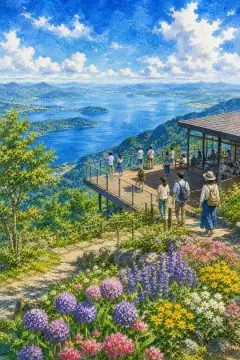
Biwako Terrace
びわ湖テラス
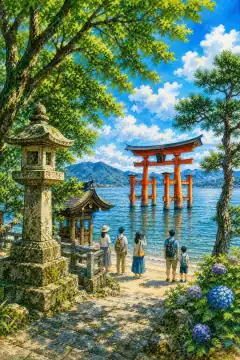
Shirahige Shrine
白鬚神社
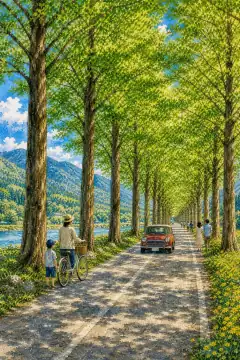
Metasequoia Namiki
メタセコイア並木
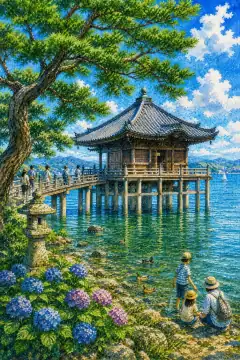
Mangetsu-ji Ukimidō
満月寺 浮御堂
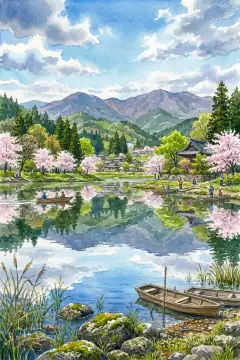
Yogo-ko
余呉湖
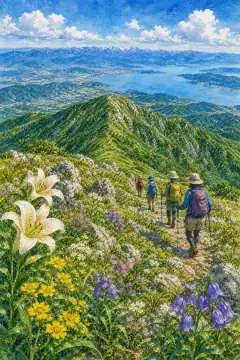
Mt. Ibuki
伊吹山
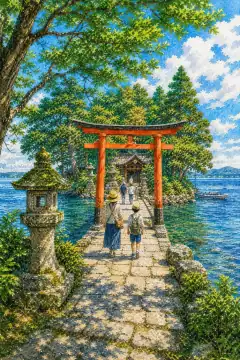
Chikubushima
竹生島
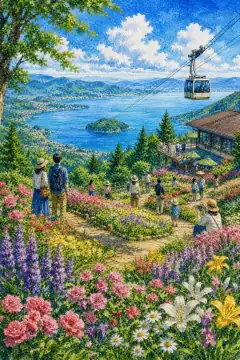
Biwako Hakodate-yama
びわこ箱館山
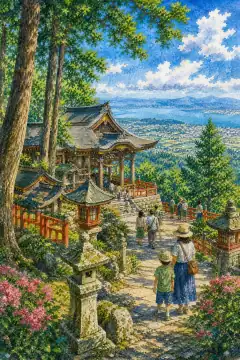
Tarobo-gu
太郎坊宮
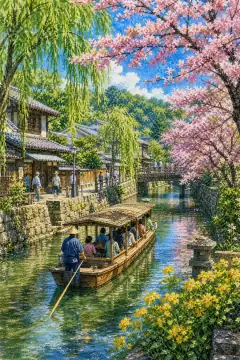
Hachiman-bori
八幡堀
An Illustrated Japan
Townscape & Scenery
Streets, harbours, hillsides: the places that give a prefecture its face.
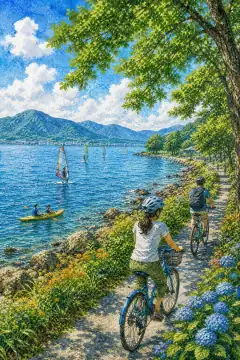
Lake Biwa
琵琶湖
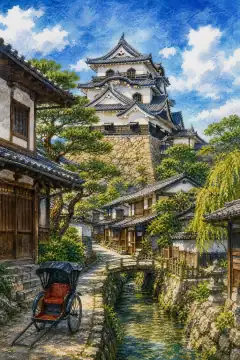
Hikone Castle
彦根城

Shirasuka Shrine (Torii in Lake Biwa)
白須賀神社(湖中鳥居)
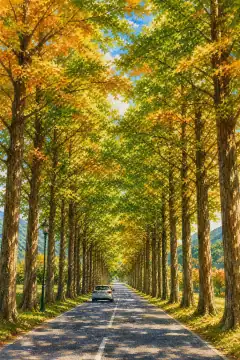
Metasequoia Avenue (Makino)
メタセコイア並木
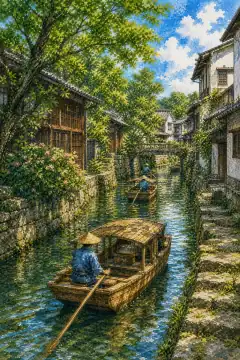
Omihachiman Canal District
近江八幡の水郷
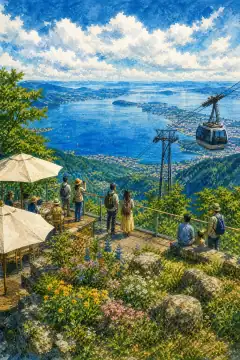
Biwako Valley (Biwako Terrace)
びわ湖バレイ(びわ湖テラス)
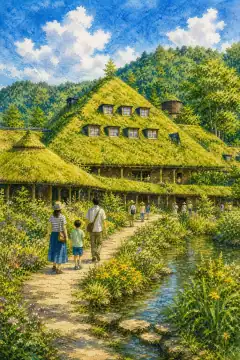
La Collina Omihachiman
ラ コリーナ近江八幡
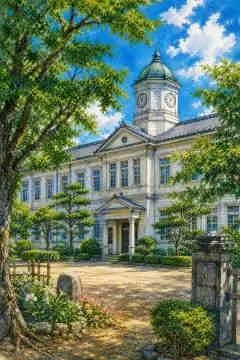
Former Toyosato Elementary School (Old School Buildings)
豊郷小学校旧校舎群
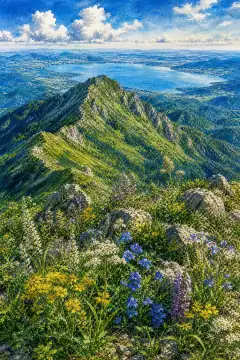
Mount Ibuki
伊吹山
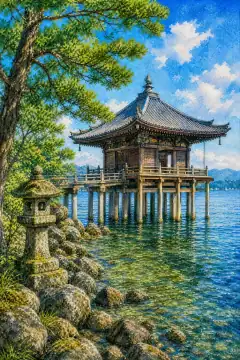
Ukimi-do Hall (Mangetsu-ji Temple)
浮御堂(満月寺)
An Illustrated Japan
Culture & Tradition
Crafts, festivals, temples and the traditions still practised today.

Ninja Culture (Koka)
忍者文化(甲賀)

Shigaraki Ware (Shigaraki-yaki)
焼き物(信楽焼)
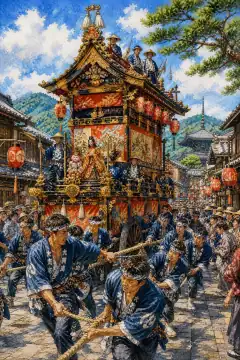
Festivals (Otsu Festival and Nagahama Hikiyama Festival)
祭り(大津祭・長浜曳山祭)
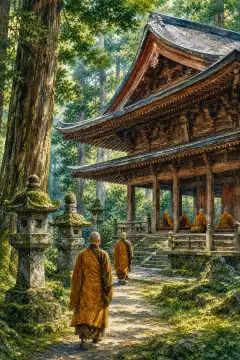
Buddhist Culture (Enryaku-ji Temple on Mount Hiei and Miidera Temple)
仏教文化(比叡山延暦寺・三井寺)

Otsu-e (Traditional Folk Paintings)
伝統工芸(大津絵)
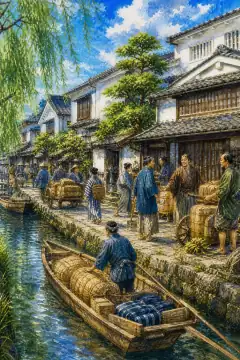
Omi Merchant Culture
近江商人文化
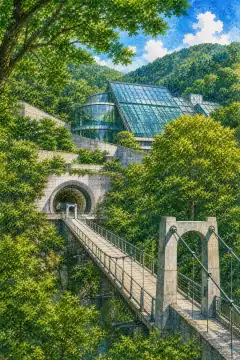
MIHO Museum
MIHO MUSEUM
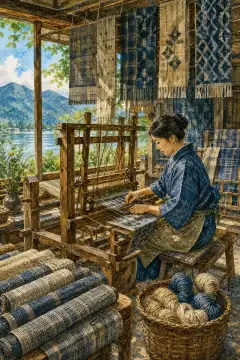
Omi Jofu (Omi hemp cloth)
近江上布
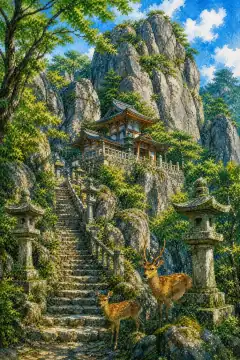
Tarobo Shrine (Aga Shrine)
太郎坊宮(阿賀神社)
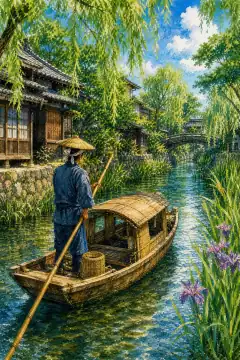
Wafune (Traditional Japanese Hand-Rowed Boats)
和船文化
An Illustrated Japan
Life & Daily
Food, bathhouses, morning routines — what an ordinary day tastes like.
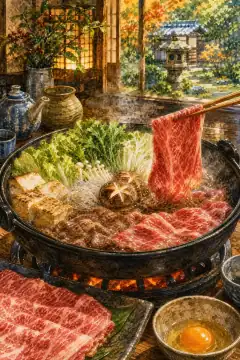
Omi Beef (Wagyu)
近江牛(和牛)
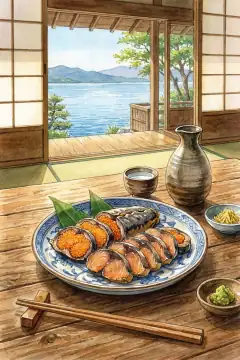
Funazushi (fermented sushi)
鮒ずし(発酵食)
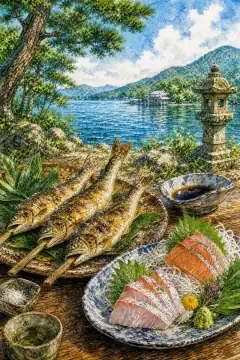
Lake Fish Cuisine (Ayu and Biwa Trout)
湖魚料理(鮎・ビワマス)

Yaki-saba Somen (Grilled Mackerel with Somen)
焼き鯖そうめん

Matcha & Japanese Tea (Asamiya Tea)
抹茶・日本茶(朝宮茶)
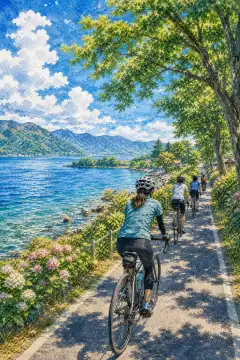
Lake Biwa Cycling (Biwaichi)
ビワイチ(サイクリング)
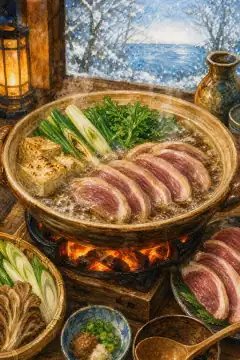
Kamo-nabe (Duck Hot Pot)
鴨鍋

Tobidashi Boy (Jumping-Out Child)
飛び出し坊や

Ogoto Onsen (Hot Spring Culture)
温泉文化(おごと温泉)
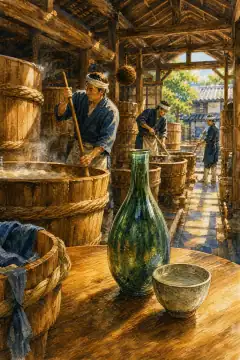
Local Sake (Nihonshu)
地酒(日本酒)
About Shiga
Shiga Prefecture is located in northeastern Kinki on Honshu with an area of 4,017.38 square kilometers, ranking 38th in size, and an estimated population of about 1.39 million as of July 1, 2026, density 347 per square kilometer. The capital Otsu City lies immediately east of Kyoto, only ten minutes by JR Tokaido Main Line, and functions as a bed-town for Kyoto and Osaka within the Keihanshin metropolitan area where many residents commute daily. Geographically Lake Biwa sits at the center, about 670 square kilometers covering one sixth of the prefecture, holding 27 billion cubic meters of water, called the water jug of Kinki supplying drinking and industrial water to 14 million people downstream. Surrounding mountains include the Hira and Hiei ranges west and Ibuki and Suzuka east forming the fertile Omi Basin with rivers flowing into the lake. Historically equivalent to Omi Province, after the 1871 abolition of the han the area became Otsu Prefecture, renamed Shiga in 1872 from Shiga District where Otsu belonged, briefly including Wakasa and Tsuruga in 1876, then separating them to Fukui in 1881 establishing present borders of 19 municipalities. The prefectural office was placed in port town Otsu rather than castle town Hikone despite repeated petitions for relocation. Climate is inland with mixed influences: northern Kohoku shows Japan Sea climate with heavy snow designated as heavy snowfall area including Yogo as the only special heavy snowfall zone west of Tokai in Kinki, recording six meters in 1981, while southern Konan is warmer Setouchi type with less snow and hot summers, but Lake Biwa moderates temperature and creates local winds like Hira-oroshi. Industry is exceptionally industrial for its size with secondary industry at 48 percent of gross prefectural output highest nationally, focusing on integrated circuits, LCD panels by Sharp, precision machinery, chemicals and plastics, plus data centers. Agriculture produces Omi rice with excellent taste, Omi beef one of three great wagyu brands alongside Kobe and Matsuzaka with 400 years of history, and Shigaraki ware pottery dating from medieval period featuring raccoon dog statues tanuki. Tourism features national treasure Hikone Castle preserving Edo original keep and moat, UNESCO World Heritage site Enryaku-ji Monastery head temple of Tendai sect on Mount Hiei founded 788 by Saicho with 3000 temples extent, Takefu Chikubushima Island shrine housing Benzaiten goddess in the lake ferry accessible, Omi-Hachiman suigo waterways with hand-rowed boat tours through reed beds, Biwako Valley ski and panorama terrace 1100 meters altitude viewing lake, Makino Metasequoia tree-lined road 2.4 km selected as one of most scenic, plus events like Otsu Matsuri with thirteen mechanical Hikiyama dolls designated intangible folk art and Nagahama Hikiyama Festival Kabuki on floats with child actors, illustrating spiritual connection to water and history as junction of Tokaido Nakasendo Hokuriku highways where controlling Omi meant controlling the nation.