Mizuky Workshop / An Illustrated Japan / Shikoku / Tokushima
Tokushima
40 illustrations · 徳島県 · 德岛县 · 德島縣
Eastern Shikoku's Tokushima Prefecture, once Awa Province, spans the Yoshino River basin and the rugged Mt. Tsurugi massif to the Pacific, renowned nationally for the Naruto whirlpools and the exuberant Awa Odori dance festival in August. Rich in sudachi citrus, indigo and mountain timber, yet also a global leader in LED production, the prefecture maintains deep ties to Kansai via the Akashi Kaikyo Bridge and offers a blend of gorge scenery, coastal tides and persistent folk traditions that shape daily life.
An Illustrated Japan

Famous Views
The sights a prefecture is known for — the ones on the postcards, and a few that should be.
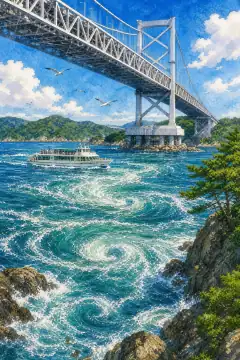
Naruto Whirlpools
鳴門の渦潮
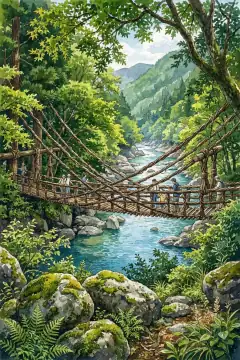
Iya no Kazura Bridge
祖谷のかずら橋
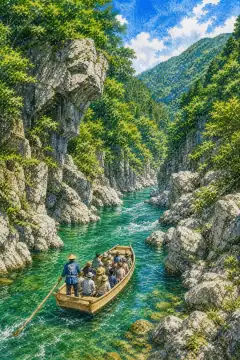
Oboke-Koboke Gorge
大歩危・小歩危
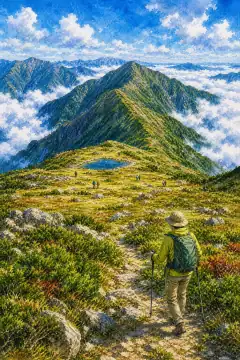
Mount Tsurugi
剣山
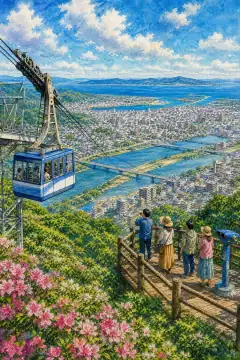
Mt. Bizan
眉山
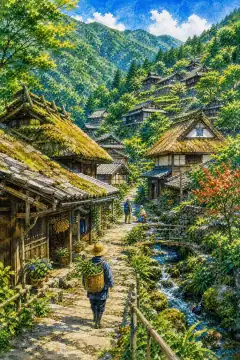
Ochiai Village
落合集落
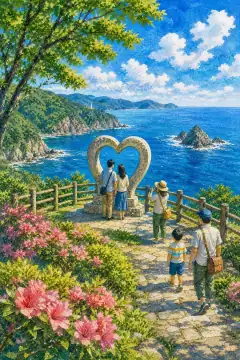
Cape Gamodate
蒲生田岬
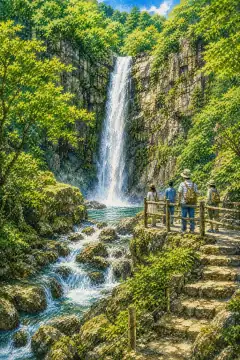
Todoroki Falls
轟の滝
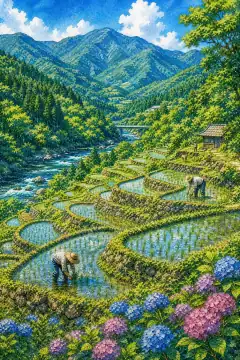
Kashiwara Rice Terraces
樫原の棚田
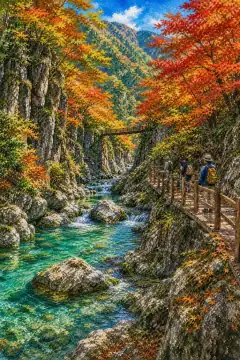
Takanose Gorge
高の瀬峡
An Illustrated Japan
Townscape & Scenery
Streets, harbours, hillsides: the places that give a prefecture its face.
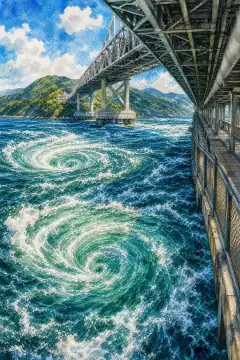
Naruto Whirlpools
鳴門の渦潮
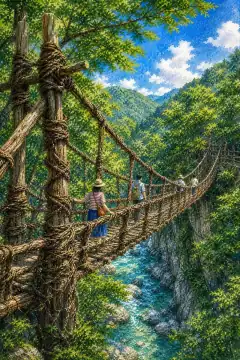
Iya Kazurabashi (Iya Vine Bridge)
祖谷のかずら橋

Otsuka Museum of Art
大塚国際美術館
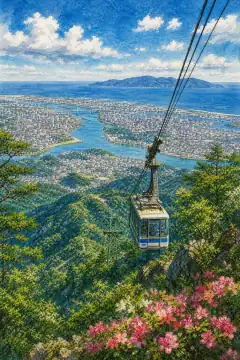
Mount Bizan
眉山
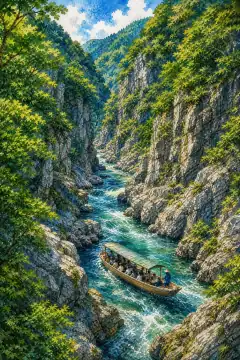
Oboke and Koboke Gorges
大歩危・小歩危
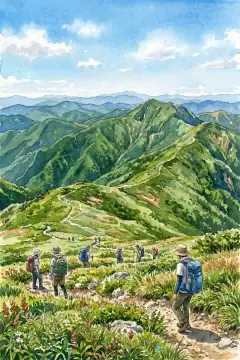
Mount Tsurugi
剣山
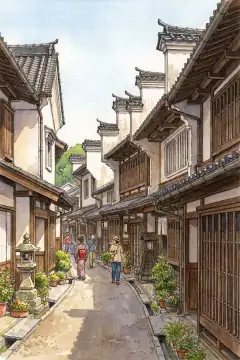
Udatsu Townscape (Waki-machi, Mima City)
うだつの町並み
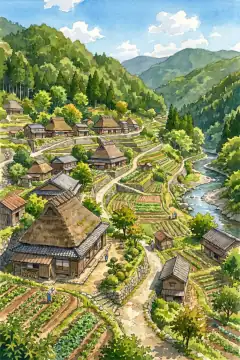
Ochiai Village
落合集落
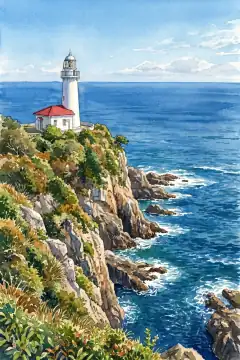
Cape Gamoda
蒲生田岬
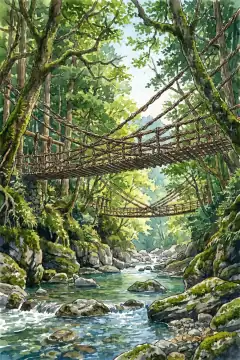
Oku-Iya Double Vine Bridges
奥祖谷二重かずら橋
An Illustrated Japan
Culture & Tradition
Crafts, festivals, temples and the traditions still practised today.
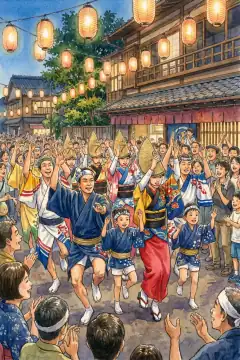
Awa Odori
阿波おどり
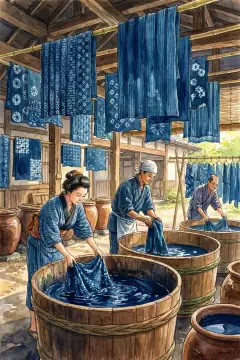
Indigo Dyeing (Aizome)
藍染め
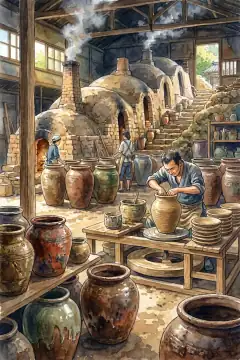
Otani-yaki (Otani ware)
大谷焼
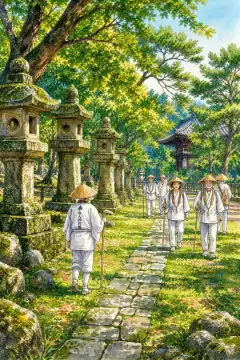
Shikoku 88-Temple Pilgrimage
四国八十八ヶ所霊場
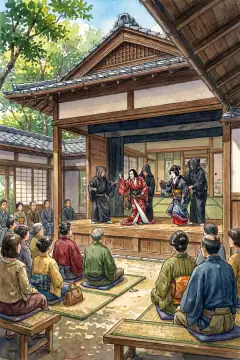
Awa Jurobei Puppet Theater
阿波十郎兵衛屋敷
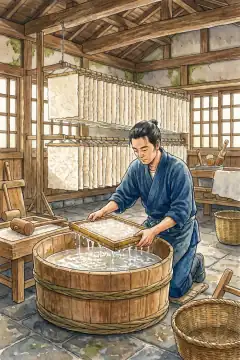
Awa Washi
阿波和紙
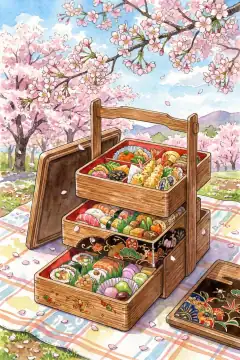
Yusanbako (three-tiered wooden bento box)
遊山箱
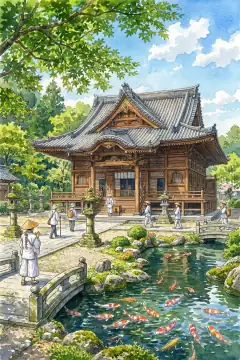
Ryozen-ji Temple
霊山寺
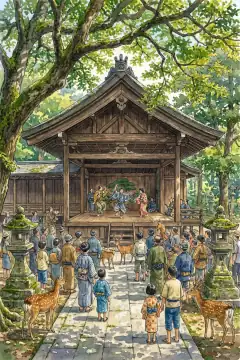
Haimiya Rural Stage
拝宮農村舞台
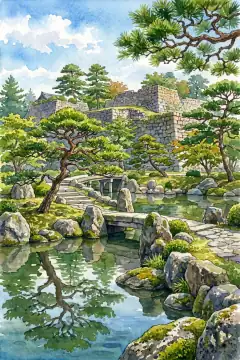
Tokushima Castle Ruins
徳島城跡
An Illustrated Japan
Life & Daily
Food, bathhouses, morning routines — what an ordinary day tastes like.
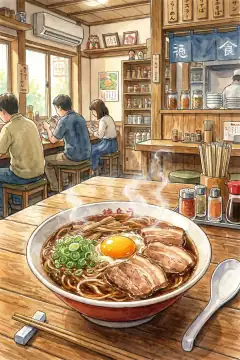
Tokushima Ramen
徳島ラーメン
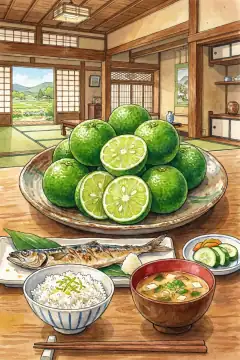
Sudachi
すだち
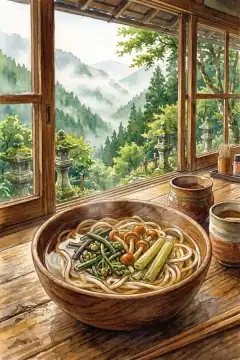
Iya Soba
祖谷そば
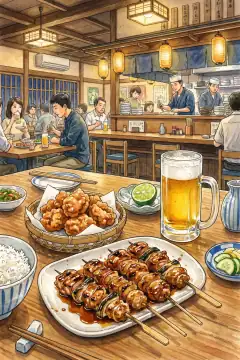
Awaodori Chicken
阿波尾鶏
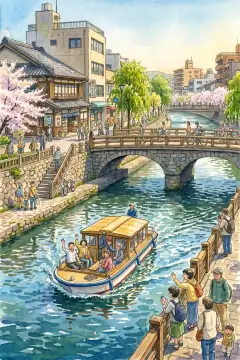
Hyotan Island Cruise
ひょうたん島クルーズ
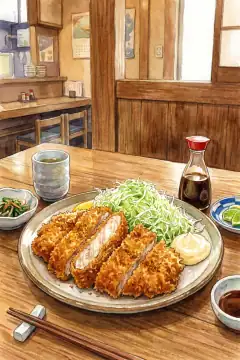
Fish Katsu
フィッシュカツ
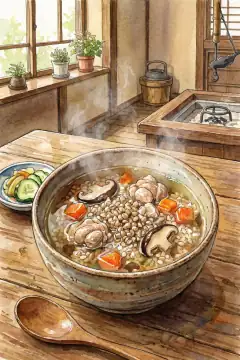
Soba-Groats Zosui (Buckwheat Groats Porridge)
そば米雑炊

Handa Somen
半田そうめん
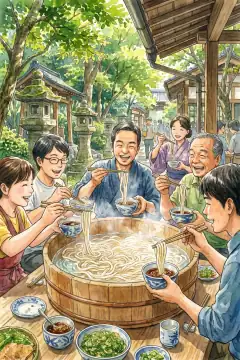
Tarai Udon
たらいうどん
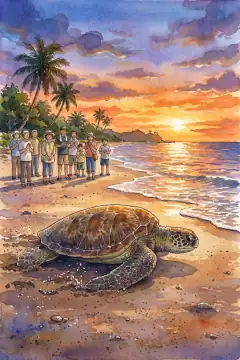
Hiwasa Sea Turtles
日和佐のウミガメ
About Tokushima
Tokushima Prefecture occupies eastern Shikoku, covering 4,144.95 square kilometers with a population of roughly 680,000 and its seat at Tokushima City where the Yoshino River meets the Kii Channel. The Yoshino River runs nearly two hundred kilometers west to east, creating broad farmland in the north and narrow fault valleys like Oboke and Koboke in the west, while the south is dominated by the Shikoku Mountains rising to 1,955-meter Mt. Tsurugi, one of Japan's Hyakumeizan, with steep slopes falling directly into the Pacific, limiting flat land but nurturing forest resources.Awa Province historically, it became the Hachisuka family's 250,000-koku domain after Toyotomi Hideyoshi granted Awa and Awaji to Hachisuka Iemasa in 1585. The domain prospered on specialty monopolies of indigo dye, salt, sugar and tobacco; at its peak in the Bunka-Bunsei era indigo output exceeded 270,000 bales, financing merchant banking that seeded modern finance in Tokushima. The area also saw German POWs at Bando Camp during World War I, where Beethoven's Ninth Symphony was first performed in Japan.In 1871 the domain was reorganized as Tokushima Prefecture but renamed Myodo Prefecture within months, governing Awa, Sanuki and Awaji. By 1876 it was absorbed into Kochi after Awaji went to Hyogo. Local separation movements emphasizing cultural difference led to re-establishment as Tokushima Prefecture in February 1880, a rare case of prefectural divorce.Climate shows dual personalities: northern Tokushima Plain belongs to the mild, low-rain Seto Inland zone supportive of early vegetables and lotus root rice cycles, while southern mountain watersheds exceed three thousand millimeters of annual precipitation, fostering primeval beech forest, cedar plantations and frequent typhoon landfalls, with winter snow on Mt. Tsurugi. Industry has shifted from declining indigo in Meiji to diversified modern manufacturing; Anan City's chemical cluster led by Nichia Corporation produces world-leading LEDs and lithium battery separators, while organic chemistry, pharmaceuticals and bamboo paper coexist with surviving indigo studios and woodworking shops that supply Awa tansu chests.Tourism frontiers include the Naruto whirlpools, caused by tidal differences up to 1.5 meters between the Seto Inland Sea and Pacific creating vortexes up to 30 meters across, best observed from the Uzu-no-michi glass walkway under Onaruto Bridge or sightseeing boats, the Awa Odori in mid-August when more than 100,000 dancers chant Hayaccha Hayaccha across Tokushima City in Japan's largest dance festival, Iya Valley with its swaying kazura vine bridges crossing hidden depths, its Peeing Boy statue perched perilously over gorge cliffs, and the crystal rapids of Oboke where rafting and Yokai folklore tours traverse limestone crags, plus Ochiai Village, dubbed sky village for its steep terraced houses. As the eastern gateway to Shikoku close to Kobe and Osaka, Tokushima merges folk energy with technological expertise in a compact green-blue territory.