Mizuky Workshop / An Illustrated Japan / Shikoku / Kochi
Kochi
40 illustrations · 高知県 · 高知县 · 高知縣
Kochi Prefecture at Shikoku's southern rim opens 700 kilometers to the Pacific, a heavily forested 7,102.28 square kilometer prefecture with about 636,861 residents and capital Kochi City. More than eighty-four percent is mountainous Shikoku range feeding the Shimanto River, Japan's last undammed clear stream famous for its submersible chinka bridges. Birthplace of Sakamoto Ryoma and cradle of free-spirited Tosa culture, the prefecture is celebrated for seared bonito straw-grilled, yosakoi dancing and dramatic capes, balancing warm wet climate averaging 17.3 Celsius with typhoon exposure and lush greenhouse horticulture that lights winter vegetable markets.
An Illustrated Japan

Famous Views
The sights a prefecture is known for — the ones on the postcards, and a few that should be.
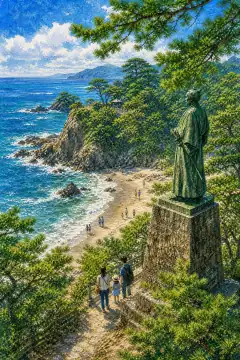
Katsurahama Beach
桂浜
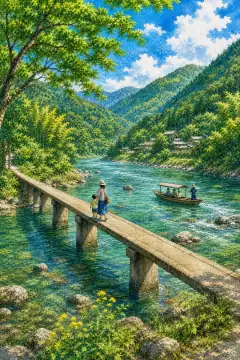
Shimanto River
四万十川
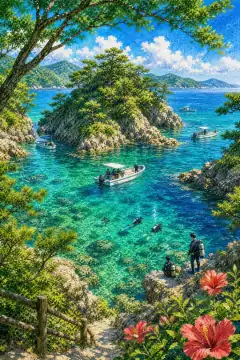
Kashiwajima
柏島
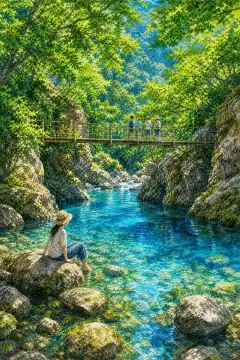
Niko-buchi
にこ淵
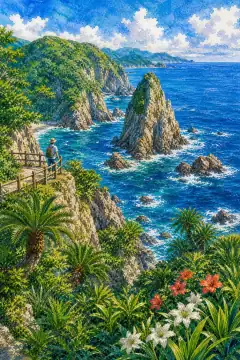
Muroto Cape
室戸岬
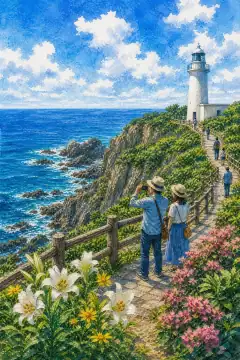
Ashizuri Cape
足摺岬
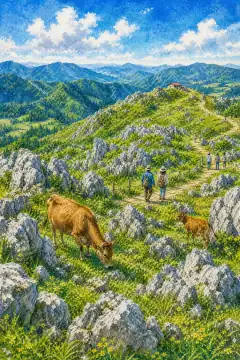
Shikoku Karst
四国カルスト
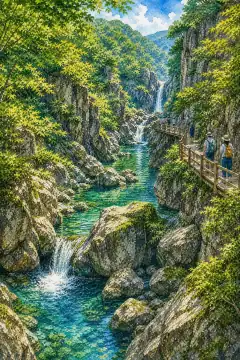
Nakatsu Gorge
中津渓谷
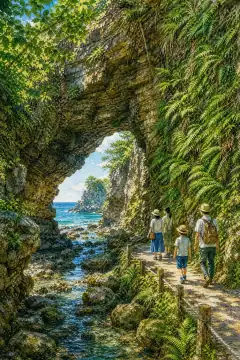
Ioki Cave
伊尾木洞
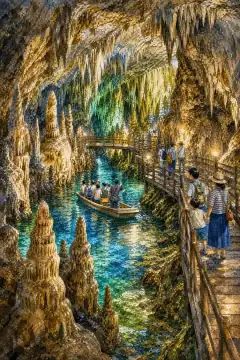
Ryugado Cave
龍河洞
An Illustrated Japan
Townscape & Scenery
Streets, harbours, hillsides: the places that give a prefecture its face.
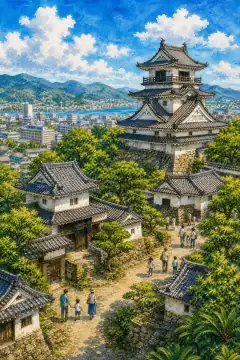
Kochi Castle
高知城
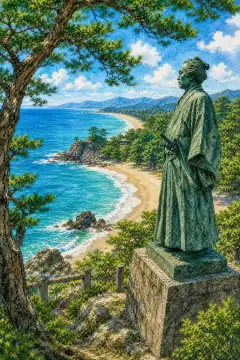
Katsurahama Beach
桂浜
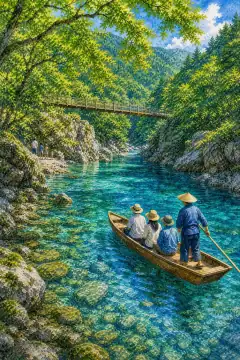
Niyodo River (Niyodo Blue)
仁淀川(仁淀ブルー)
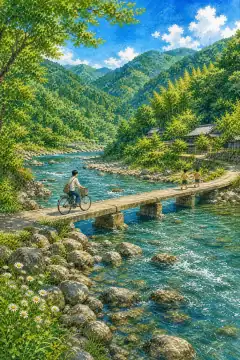
Shimanto River and Chinka-bashi (Low-Water Bridges)
四万十川と沈下橋
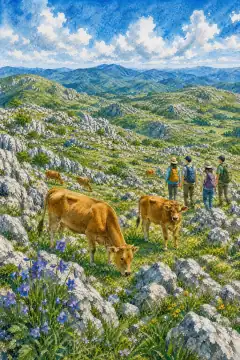
Shikoku Karst Plateau
四国カルスト
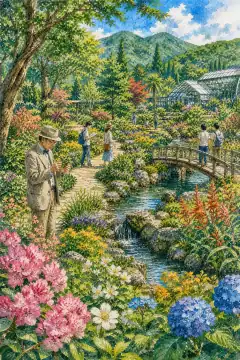
Kochi Prefectural Makino Botanical Garden
高知県立牧野植物園
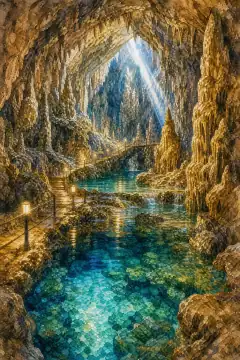
Ryugado Cave
龍河洞
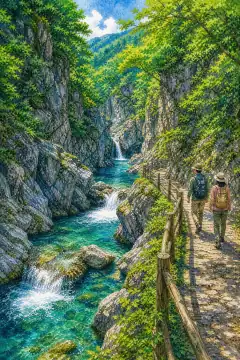
Nakatsu Gorge
中津渓谷
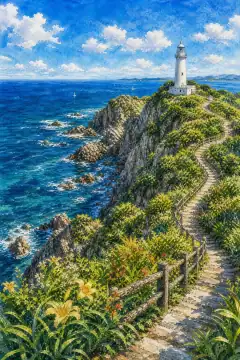
Cape Ashizuri
足摺岬
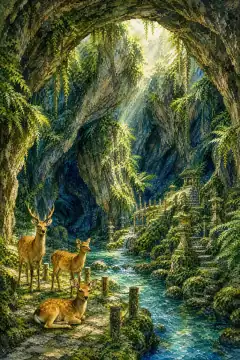
Ioki Cave
伊尾木洞
An Illustrated Japan
Culture & Tradition
Crafts, festivals, temples and the traditions still practised today.
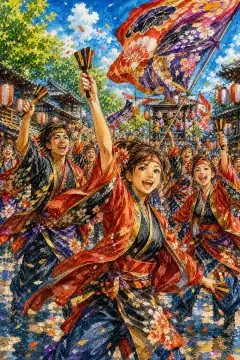
Yosakoi Festival
よさこい祭り
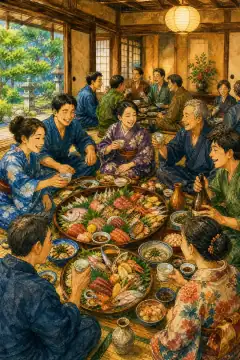
Okyaku Culture
おきゃく文化
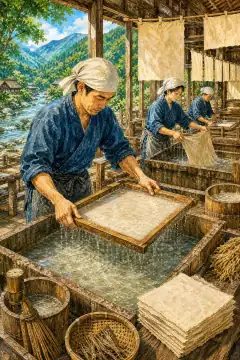
Tosa Washi (Tosa Paper)
土佐和紙
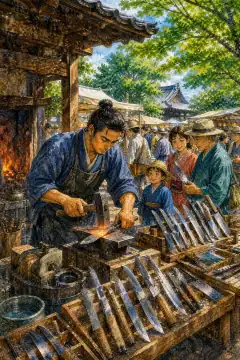
Tosa Forged Blades
土佐打刃物
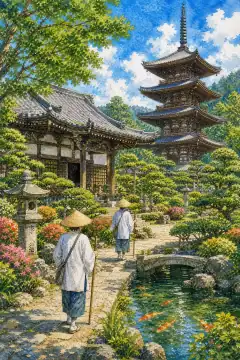
Chikurin-ji Temple (No. 31 on the Shikoku Pilgrimage)
四国八十八ヶ所霊場(竹林寺)
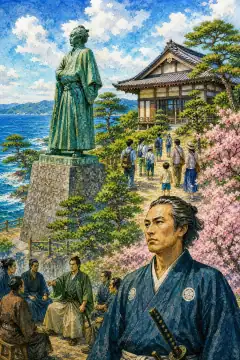
Sakamoto Ryoma Historical Sites
坂本龍馬の歴史的遺産
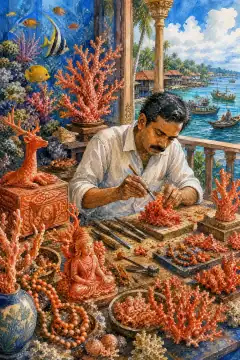
Precious Coral
宝石珊瑚
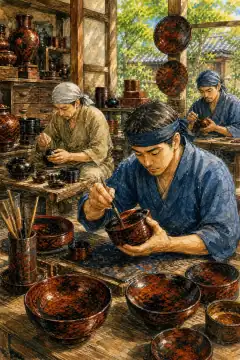
Tosa Koda-nuri lacquerware
土佐古代塗
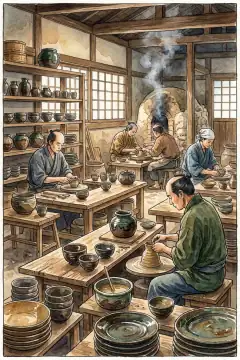
Odo-yaki (Odo ware)
尾戸焼
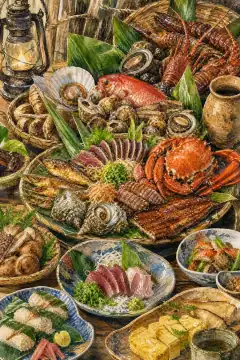
Sarabachi Platter Presentation
皿鉢料理の盛り付け文化
An Illustrated Japan
Life & Daily
Food, bathhouses, morning routines — what an ordinary day tastes like.
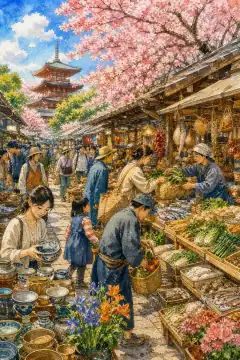
Kochi Sunday Market
日曜市
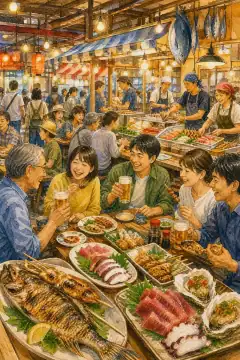
Hirome Market
ひろめ市場
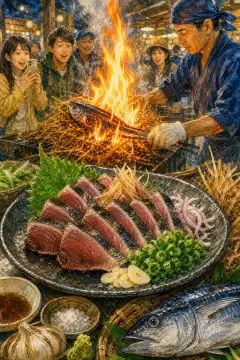
Katsuo Tataki (Seared Bonito)
鰹のタタキ
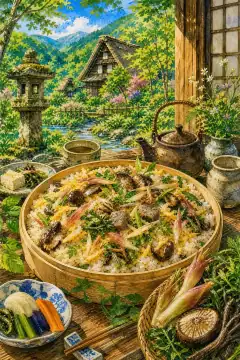
Inaka-zushi
田舎寿司
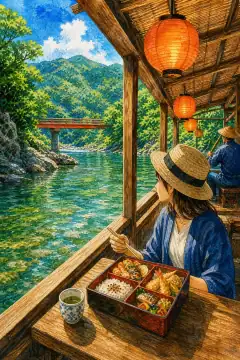
Traditional Yakatabune River Cruise
屋形船での川下り
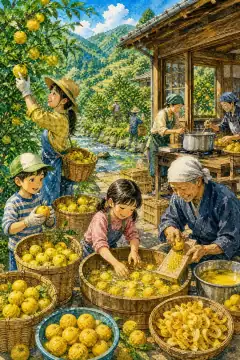
Yuzu Harvesting and Processing Experience
柚子の収穫・加工体験
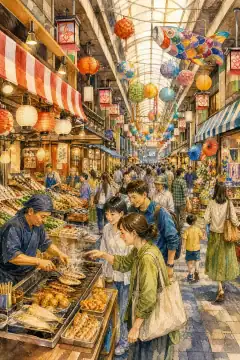
Obiyamachi Shopping Arcade
帯屋町商店街
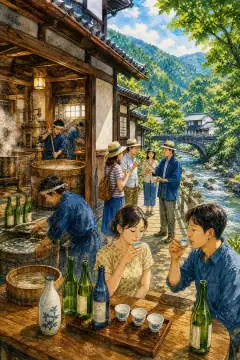
Tosa Sake and Brewery Tours
土佐酒と酒蔵巡り
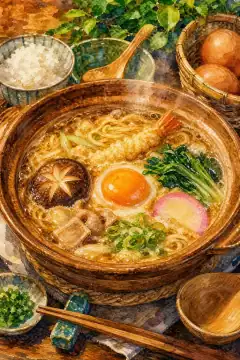
Susaki Nabeyaki Ramen
須崎の鍋焼きラーメン
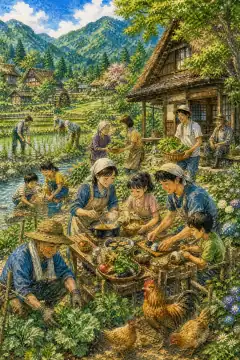
Farmhouse Homestay — Rural Life Experience
農家民宿での田舎暮らし体験
About Kochi
Kochi Prefecture occupies southern Shikoku, spanning 7,102.28 square kilometers, the largest of the four Shikoku prefectures, with a population around 636,861 centered on Kochi City at the mouth of the Kagami River on Tosa Bay. Forest dominates eighty-four percent of its land, narrow plains including Kochi Plain and Nakamura Plain dot the coast, and the Shimanto River runs 196 kilometers without major dams, its mainline punctuated by chinka bridges designed to submerge in floods, preserving natural flow and enabling canoe camping and sweetfish fishing traditions.Historically Tosa Province, it was nearly unified under Chosokabe Motochika who controlled much of Shikoku from Okoh Castle in the 1580s before Toyotomi Hideyoshi subdued him. In Edo times Yamauchi Kazutoyo, transferred after Sekigahara, established Tosa Domain with 240,000 koku, ruling from Kochi Castle whose keep survives as one of twelve originals. Despite being outside Tokugawa kin, Tosa produced extraordinary reformers: Yoshida Toyo, Takechi Hanpeita, Sakamoto Ryoma, Nakaoka Shintaro, Itagaki Taisuke, all influencing both loyalist and shogunate sides and later democratic movements. In 1871 Tosa became Kochi Prefecture, its name unchanged.Kochi's climate is Pacific warm temperate with sunshine above two thousand hours yearly, average temperature about 17.3 degrees Celsius, precipitation approaching three thousand millimeters ranking fourth nationally, nurturing forest but also prompting landslides and cliff collapse during typhoon season, prompting resilient civil engineering. Forestry manages cedar and cypress plantations for high-quality lumber, while intensive greenhouse horticulture inside vinyl houses along the Nankoku coast produces eggplants, peppers, ginger, myoga and even Shikoku-grown melons shipped to Kansai in winter, exploiting Kochi's warmth as off-season advantage. Fishery adheres to ippon-zuri single-pole method for skipjack tuna famous for its fighting freshness, landed at Kochi Port where straw-grilled tataki originated using tuna straw to sear edges leaving interior raw.Sightseeing offers a wilderness edge: Shimanto River chinka bridge hopping by bicycle, fishing Ayu by cormorant, Katsurahama beach where Sakamoto Ryoma statue gazes over restless Pacific surf and Ryoma Memorial Museum contextualizes Meiji Restoration, Kochi Castle nighttime illuminations and adjoining Sunday Market stretching one kilometer with mountain vegetables, citrus and stone crafts, Cape Muroto and Cape Ashizuri geopark with subtropical plants, uplifted marine terraces and 38th temple Kongofukuji on Shikoku pilgrimage perched at cliff end, Monet's Garden transferred from Giverny in Kitagawa Village with water lily arches, and Yosakoi Festival each August where twenty thousand colorfully costumed dancers parade original music, an energetic offshoot of Tokushima's Awa Odori that now exports globally. Kochi feels untamed yet scholarly, green yet maritime, a prefecture of independent mind.