Mizuky Workshop / An Illustrated Japan / Kyushu-Okinawa / Fukuoka
Fukuoka
40 illustrations · 福岡県 · 福冈县 · 福岡縣
Fukuoka Prefecture, northern Kyushu's gateway with 4,987.24 square kilometers and about 5,074,414 residents, is Kyushu's most populous with its capital Fukuoka City forming a 2.6-million metro alongside Kitakyushu. Hosting Dazaifu Government in the seventh century as Japan's diplomatic window to Tang China and Korea, the prefecture carries ancient gateway identity into modern startup and logistics prominence. Famous for Dazaifu Tenmangu Shrine, yatai street-food alleys, tonkotsu ramen and mentaiko spicy cod roe, it mixes seaside Itoshima, historic Moji Port retro facades and Yanagawa canals into a multicultural energetic corridor closest to Busan and Shanghai.
An Illustrated Japan

Famous Views
The sights a prefecture is known for — the ones on the postcards, and a few that should be.

Sakurai Futamigaura
桜井二見ヶ浦

Miyajidake Shrine
宮地嶽神社
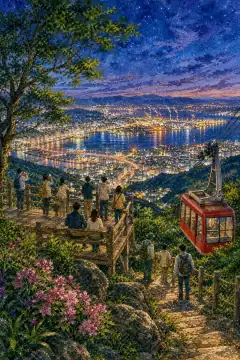
Mount Sarakura
皿倉山
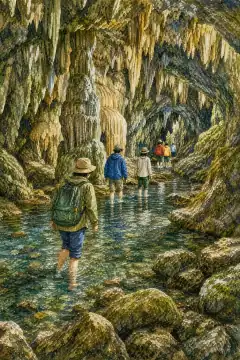
Senbutsu Calcareous Cave
千仏鍾乳洞
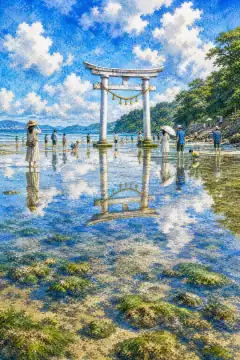
Fukuma Coast Kagami no Umi
福間海岸「かがみの海」
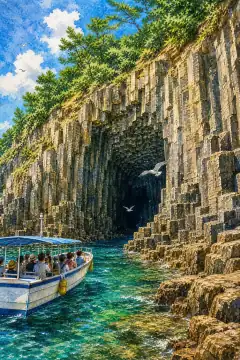
Keya no Daimon
芥屋の大門
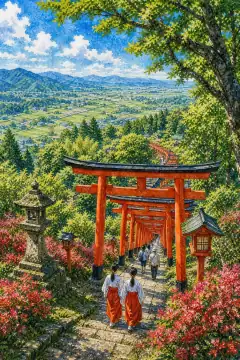
Ukiha Inari Shrine
浮羽稲荷神社
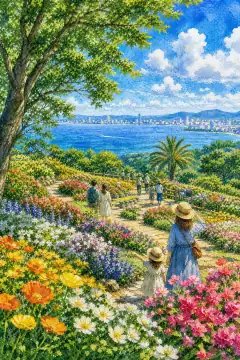
Nokonoshima Island Park
のこのしまアイランドパーク
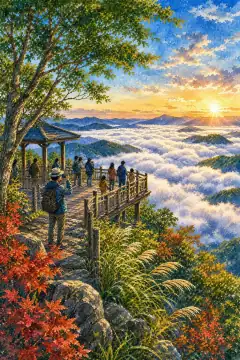
Sea of Clouds at Yagi-yama
八木山の雲海
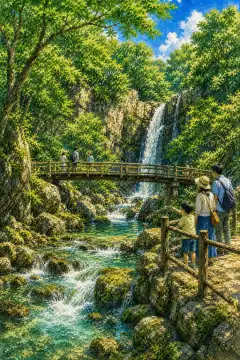
Nogawa Gorge
野河内渓谷
An Illustrated Japan
Townscape & Scenery
Streets, harbours, hillsides: the places that give a prefecture its face.
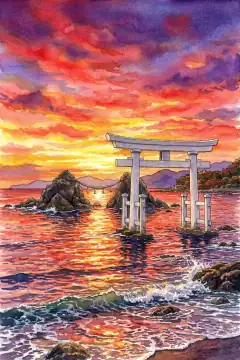
Sakurai Futamigaura, Itoshima
糸島(桜井二見ヶ浦)
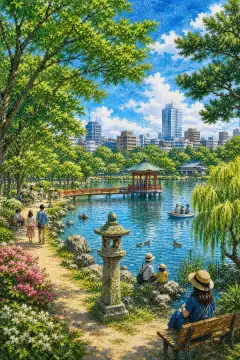
Ohori Park
大濠公園
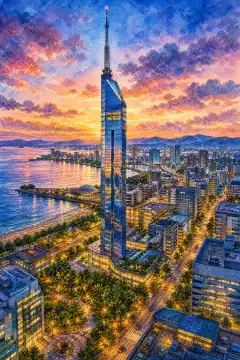
Fukuoka Tower
福岡タワー
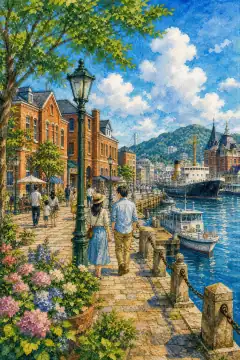
Mojiko Retro
門司港レトロ
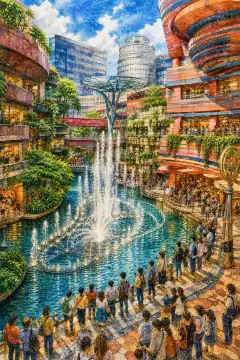
Canal City Hakata
キャナルシティ博多
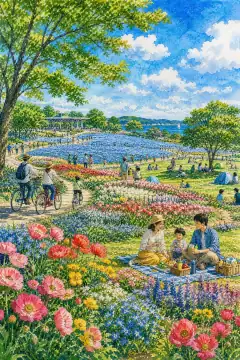
Uminonakamichi Seaside Park
海の中道海浜公園
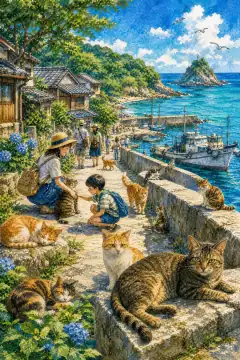
Ainoshima (Cat Island)
相島(猫の島)
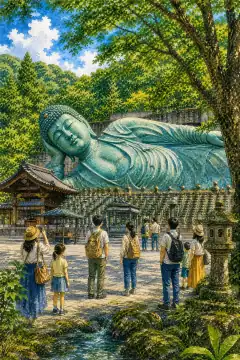
Nanzoin Temple (Reclining Buddha)
南蔵院(釈迦涅槃像)
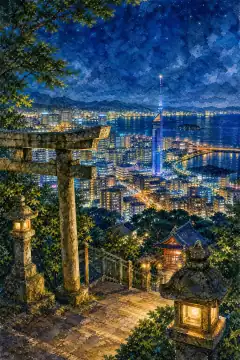
Night View from Atago Shrine
愛宕神社からの夜景
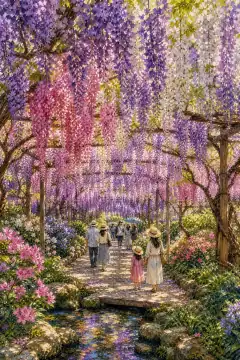
Kawachi Wisteria Garden
河内藤園
An Illustrated Japan
Culture & Tradition
Crafts, festivals, temples and the traditions still practised today.
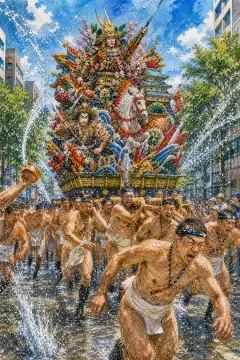
Hakata Gion Yamakasa Festival
博多祇園山笠
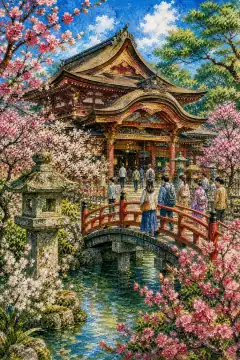
Dazaifu Tenmangu Shrine
太宰府天満宮

Hakata-ori (Hakata Textile)
博多織
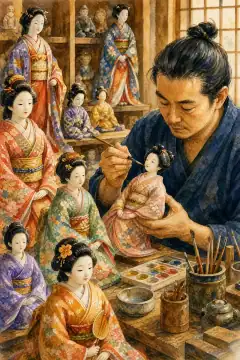
Hakata Dolls
博多人形
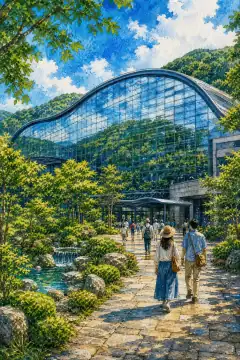
Kyushu National Museum
九州国立博物館
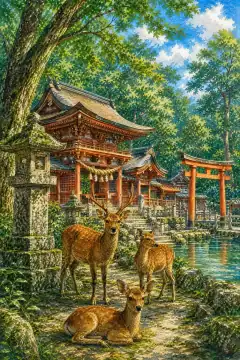
Munakata Taisha (Munakata Grand Shrine)
宗像大社
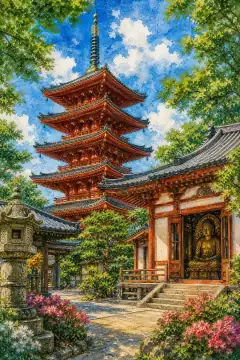
Tocho-ji Temple
東長寺
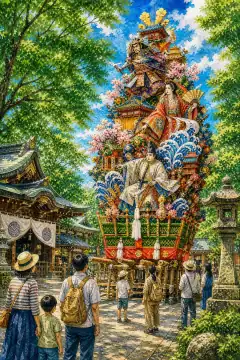
Kushida Shrine
櫛田神社
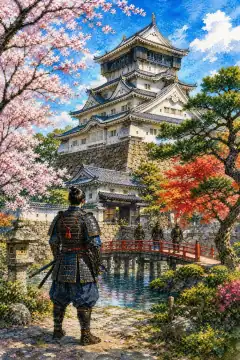
Kokura Castle
小倉城
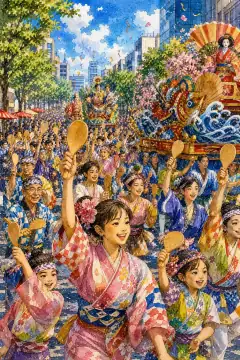
Hakata Dontaku Festival
どんたく
An Illustrated Japan
Life & Daily
Food, bathhouses, morning routines — what an ordinary day tastes like.
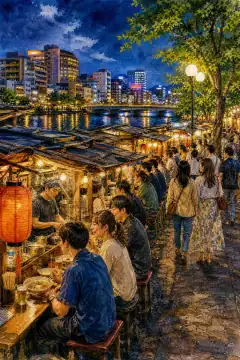
Yatai (Street-Food Stall Culture)
屋台文化
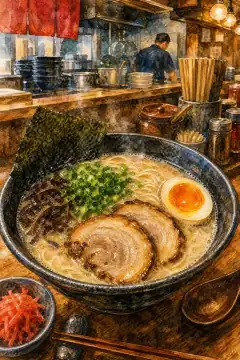
Tonkotsu Ramen (Hakata Ramen)
豚骨ラーメン(博多ラーメン)
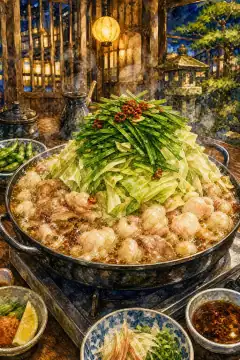
Motsunabe
もつ鍋
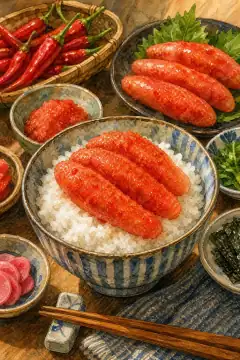
Mentaiko (spicy pollock roe)
明太子
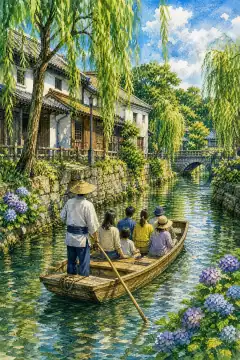
Yanagawa Canal Boat Cruise
柳川の川下り
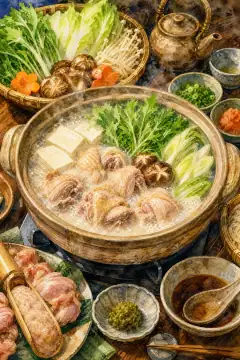
Mizutaki (Fukuoka-style chicken hot pot)
水炊き
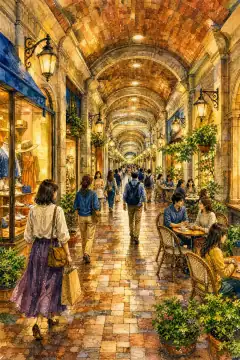
Tenjin Underground Shopping Mall
天神地下街
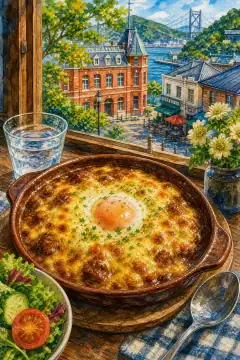
Yaki Curry (Mojiko Baked Curry)
焼きカレー
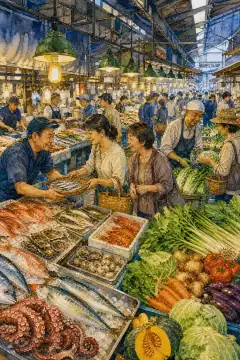
Yanagibashi Rengo Market
柳橋連合市場
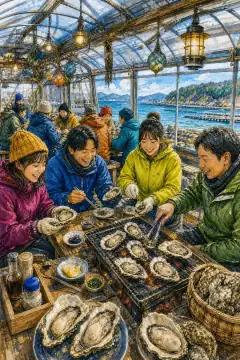
Itoshima Oyster Huts
糸島のカキ小屋
About Fukuoka
Fukuoka Prefecture sits in northern Kyushu, covering 4,987.24 square kilometers with approximately 5,074,414 people, the largest prefecture on the island, its administrative seat being Fukuoka City, itself a fast-growing economic center exceeding one and a half million in the city proper and over two and a half million with surroundings. The land comprises three fertile plains, Fukuoka, Chikugo and Buzen-Kitakyushu, stitched by the Chikugo River, Japan's largest Kyushu river famous for eels and seasonal flooding mitigating vast Diwa infrastructure, and is indented by three seas, Genkai-nada to the north opening to Korea Strait, Suo-nada to the northeast toward Honshu's Yamaguchi, and Ariake Sea to the southwest hosting wide mudflats for nori seaweed.Historically covering Chikuzen, Chikugo and Buzen, the area hosted Dazaifu, called Sa-no-Miyako or western capital, from the seventh century managing foreign envoys, frontier defense and immigration, traces including Mizuki Fortress earthworks and Dazaifu Tenmangu built over the exiled scholar Sugawara no Michizane's grave evolving into Japan's top academic shrine receiving ten million visitors. Edo-period rule partitioned into Kuroda Nagamasa's Fukuoka Domain at 520,000 koku centered on Fukuoka Castle ruins and Maizuru Park, and Hosokawa and Ogasawara Kokura Domains at the strategic tip protecting the Kanmon Straits, threshold to Honshu. The 1871 abolition created Fukuoka, Kokura and Miike Prefectures merged by 1876 into current borders. Moji Port flourished as international grain gateway handling breadfruit.Climate is nominally Pacific but tinged by Tsushima Strait influences bringing prolonged cloudy spells, stronger northwest winds in winter than Seto Inland prefectures and frequent drizzle reducing sunshine hours despite mild temperatures averaging 17 to 18 Celsius, hot humid summers with heavy downpour thunderheads from Ariake convection and vulnerability to typhoon passages. These conditions favor tea and nori.Industry diversifies: Kitakyushu Tobata and Yahata districts preserve Japan's first modern steelworks Yahata Steel founded in 1901 now Nippon Steel, plus chemical complexes and robotics testing zones promoting environmental tech, Kurume rubber origin of Bridgestone tire empire plus bio pharma devices and sake breweries like Urakasumi, Fukuoka City Tenjin district undergoing Tenjin Big Bang redevelopment, assembling fintech startups, call centers and retail that leverage Hakata Port cruise terminal and Fukuoka Airport close to downtown. Yame's gyokuro tea shaded under straw ranks among Japan's top three green teas.Attractions are diverse: Dazaifu Tenmangu with seasonal plum trees and camphor forest plus adjacent Kyushu National Museum shaped like a wave, Mojiko Retro District Kanmon Straits Museum and pedestrian undersea tunnel linking Honshu, Yanagawa city where tourists punt flat-bottomed donko boats through willow-lined former castle moats past preserved strolling gardens of the Tachibana lord family Ohana villa, Itoshima Peninsula with twin-me Iwami rocks tied by shimenawa sacred rope, sunset cafes and Instagram sacred torii at Shinto shrine offshore, Hakata Gion Yamakasa early July when floats weighing a ton race five kilometers chanting Oisa, and Nakasu district's yatai open-air stalls offering tonkotsu ramen pork bone soup, one-bite gyoza and horumon. Mix of continental nearness, campus culture and dense eating streets gives Fukuoka an openness and nighttime vitality uncommon in provincial cities.