Mizuky Workshop / An Illustrated Japan / Hokkaido / Hokkaido
Hokkaido
40 illustrations · 北海道
Japan's northernmost and only Do, Hokkaido covers 83,422.22 square kilometres making it the largest prefecture with about 4.96 million residents. The capital Sapporo holds about 1.95 million people, roughly 40 percent of the island. Surrounded by the Pacific, Sea of Japan and Sea of Okhotsk, it offers dramatic mountains like Daisetsuzan, vast Tokachi Plain, Kushiro wetlands and Shiretoko World Natural Heritage. Its economy relies on dairy farming, potato, wheat and fisheries leading Japan, plus renewable wind energy. Tourist icons include Furano lavender, Sapporo Snow Festival, Noboribetsu hot springs and Hakodate night view.
An Illustrated Japan

Famous Views
The sights a prefecture is known for — the ones on the postcards, and a few that should be.
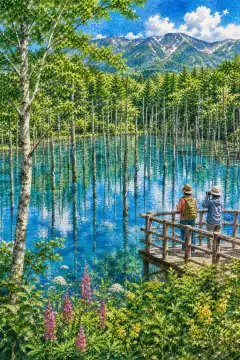
Shirogane Aoi-ike
白金青い池
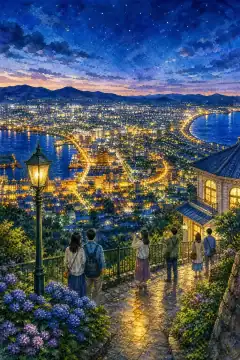
Hakodate Mountain Night View
函館山の夜景
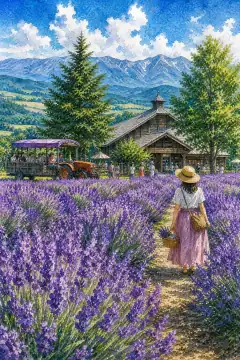
Farm Tomita
ファーム富田
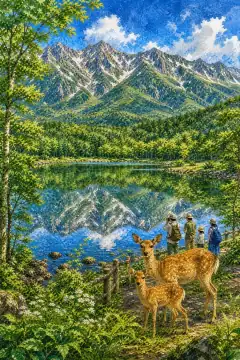
Shiretoko Goko
知床五湖
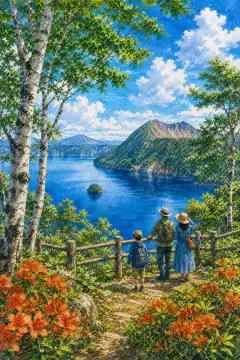
Lake Mashu
摩周湖
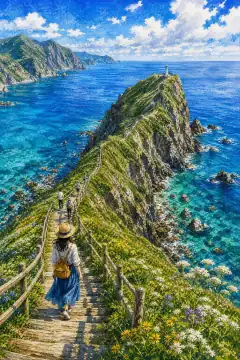
Cape Kamui
神威岬
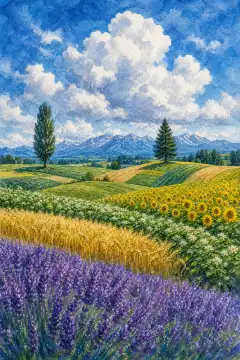
Biei Hills
美瑛の丘
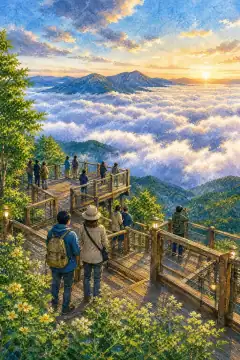
Unkai Terrace
雲海テラス
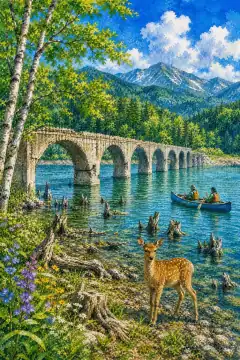
Taushubetsu River Bridge
タウシュベツ川橋梁
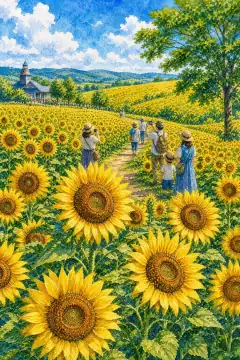
Hokuryu Sunflower Village
北竜町ひまわりの里
An Illustrated Japan
Townscape & Scenery
Streets, harbours, hillsides: the places that give a prefecture its face.
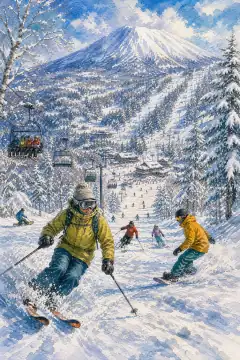
Niseko's Snow Scenery
ニセコの雪景色
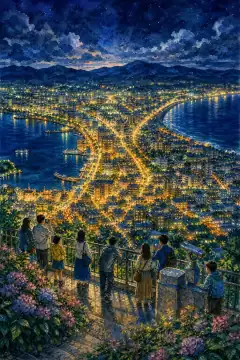
Night View from Mount Hakodate
函館山の夜景
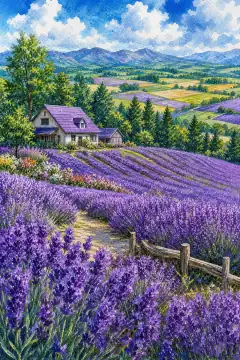
Furano Lavender Fields
富良野のラベンダー畑
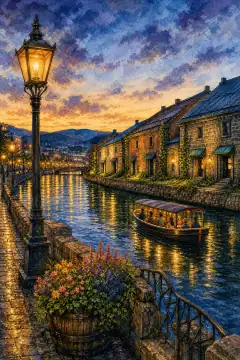
Otaru Canal
小樽運河
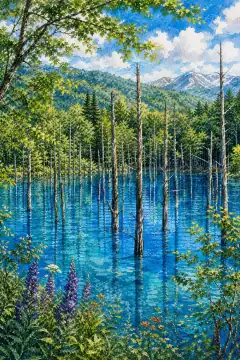
Blue Pond (Biei)
美瑛の青い池
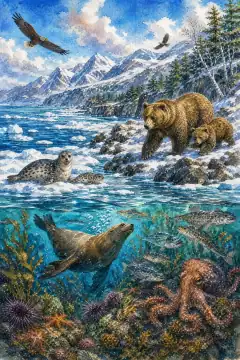
Shiretoko Peninsula
知床半島
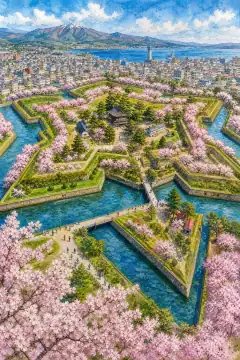
Goryokaku Fort
五稜郭
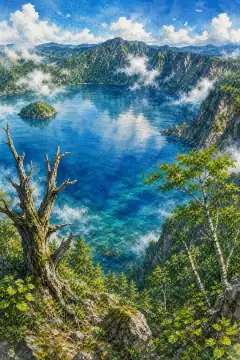
Lake Mashu
摩周湖
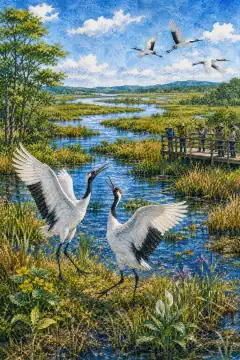
Kushiro Marsh
釧路湿原
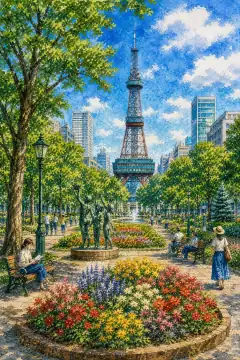
Odori Park (Sapporo)
札幌・大通公園
An Illustrated Japan
Culture & Tradition
Crafts, festivals, temples and the traditions still practised today.
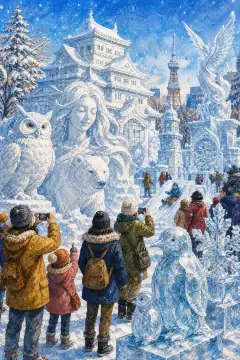
Sapporo Snow Festival
さっぽろ雪まつり
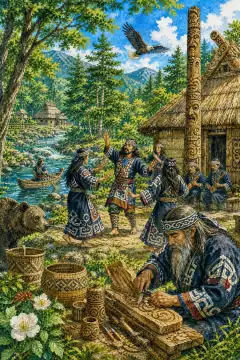
Ainu Culture
アイヌ文化
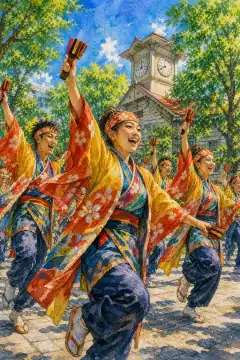
Yosakoi Soran Festival
YOSAKOIソーラン祭り
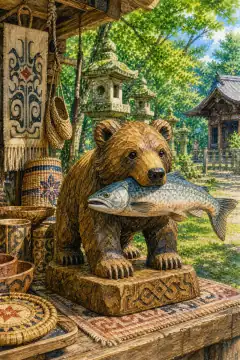
Hokkaido Wood-Carved Bear
木彫りの熊
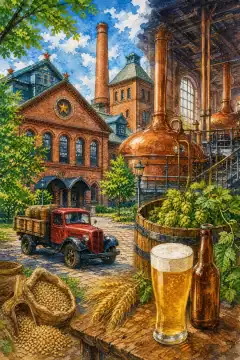
Beer Brewing Culture
ビール醸造文化
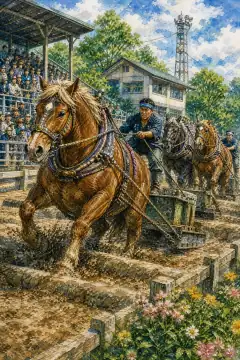
Ban'ei Horse Racing
ばんえい競馬
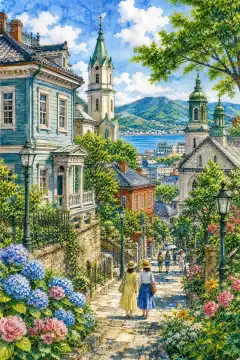
Hakodate's Blend of Japanese and Western Architecture
函館の和洋折衷建築
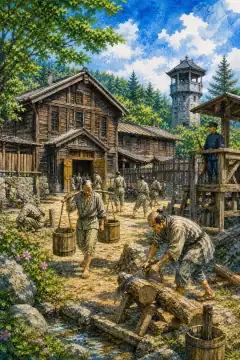
History of Abashiri Prison
網走監獄の歴史

Asahikawa Furniture
旭川家具
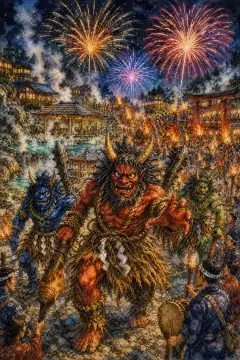
Noboribetsu Jigoku Festival
登別地獄まつり
An Illustrated Japan
Life & Daily
Food, bathhouses, morning routines — what an ordinary day tastes like.
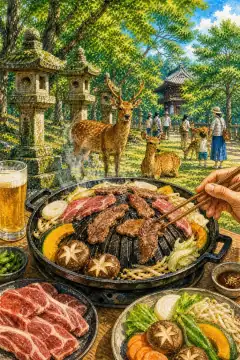
Jingisukan (Genghis Khan)
ジンギスカン
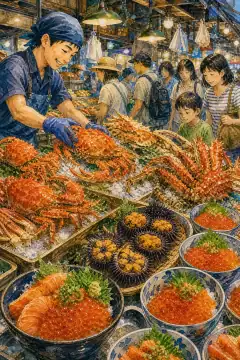
Seafood Markets (Nijo Market, Washo Market, etc.)
海鮮市場(二条市場・和商市場など)
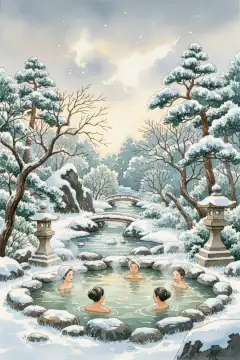
Onsen Culture (Noboribetsu, Jozankei, etc.)
温泉文化(登別・定山渓など)
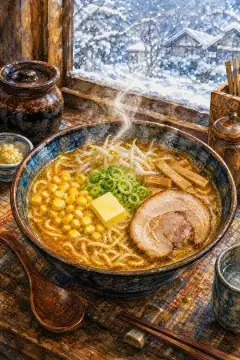
Sapporo Ramen
札幌ラーメン
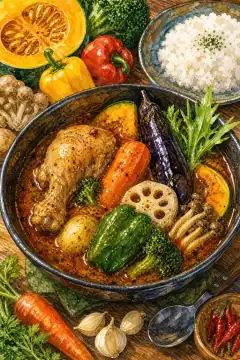
Soup Curry
スープカレー
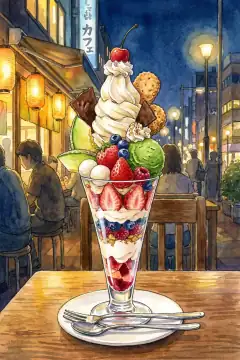
Shime Parfait
シメパフェ

Seicomart
セイコーマート
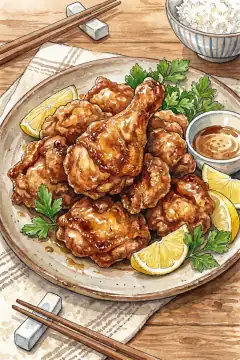
Zangi
ザンギ
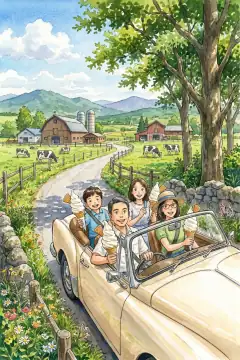
Dairy Farm Soft-Serve
牧場のソフトクリーム
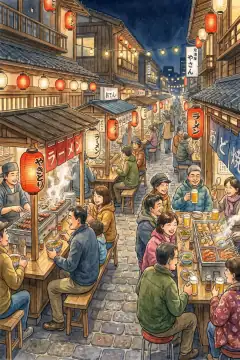
Yatai Villages (e.g., Kita no Yatai)
屋台村(北の屋台など)
About Hokkaido
Hokkaido prefecture spans 83,422.22 square kilometres, first in Japan, with population 4,966,179 as of June 30 2026, about 4.97 million and density 59.5 per square kilometre, the lowest nationally. The capital is Sapporo, a designated city of about 1,950,000 residents concentrating nearly four tenths of Hokkaido. Geography includes the main Hokkaido Island of 77,983 square kilometres plus Rishiri, Rebun, Okushiri and numerous small islets, encircled by the Pacific Ocean southeast, Sea of Japan west and Sea of Okhotsk north, separated from Honshu by the Tsugaru Strait via the Seikan Tunnel. Mount Asahi 2,291 metres in the Daisetsuzan Range is the highest, with Hidaka Mountains, Tokachi Plain, Kushiro Wetland and Ishikari River forming a north-south spine. The island's name was decided in 1869. Formerly called Ezochi, explorer Matsuura Takeshiro proposed six names including Hokkai-do, Hitakami and Kaihoku, the Meiji government adopting Hokkaido modelled on the Ritsuryo Gokishichido system, establishing 11 provinces and 86 districts. In 1882 the Kaitakushi was abolished and split into Sapporo, Hakodate and Nemuro prefectures, reunified as Hokkaido-cho in 1886, and became the present local government in 1947 under the Local Autonomy Law. Climate is mostly subarctic humid Dfb, Sea of Japan side is heavy snow zone with about 5 metres in mountain passes, central inland shows winter lows below minus 20 Celsius with deep persistent snow, Pacific side is cooler in summer due to Oyashio current and less snow in winter. Annual mean temperature in Sapporo is about 9.2 Celsius. Industry leads Japan with agricultural output 1.3748 trillion yen, more than half livestock dairy, and fisheries output 902.8 billion yen producing salmon, scallop, kelp, potatoes, onions and wheat. Manufacturing includes Sapporo Beer, paper, steel, plus wind power holding Japan's largest capacity around Cape Soya and Ishikari. Hokkaido has no heavy industry dominance and instead food processing is strong. Tourism centres on Shiretoko World Natural Heritage site inscribed in 2005 for brown bear and drift ice ecosystem, Shikotsu-Toya National Park with caldera lakes, Furano and Biei flower fields, Noboribetsu and Toyako hot spring resorts, Sapporo Snow Festival attracting over two million visitors every February, Asahiyama Zoo and Goryokaku star fort and night view in Hakodate. Agriculture, tourism and renewable energy drive the economy while maintaining high food self sufficiency. Moreover Sapporo's ramen, soup curry, Shiroi Koibito sweets, Yubari melon and dairy desserts create a strong food tourism culture, while winter sports at Niseko and Furano draw international skiers. The prefecture also hosts universities, museums and Ainu cultural sites such as Upopoy National Museum in Shiraoi promoting indigenous heritage.