Mizuky Workshop / An Illustrated Japan / Kanto / Ibaraki
Ibaraki
40 illustrations · 茨城県 · 茨城县 · 茨城縣
Ibaraki in northeastern Kanto covers 6,098.32 square kilometres ranking 24th but fourth in habitable land with about 2.78 million people density 455 most in North Kanto capital Mito 265,000 core city and largest city Tsukuba 268,991 overtaking Mito in 2025. Geography northeast Kanto east facing Pacific Kashima-nada north Fukushima west Tochigi Saitama south Chiba, northern third mountainous Yamizo 1,021.8m highest, central southern Joso Plain part of Kanto Plain crossed by Tone Naka Kuji Kinu Kokai rivers. Kasumigaura is Japan's second largest lake. It combines rich agriculture top in melon turf chestnut and lotus root green pepper with coastal industry and Tsukuba science city of 300 institutes and JAXA.
An Illustrated Japan

Famous Views
The sights a prefecture is known for — the ones on the postcards, and a few that should be.
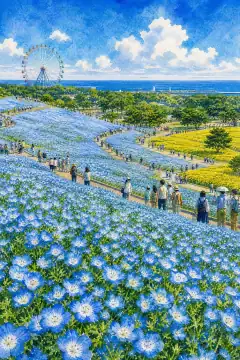
Hitachi Seaside Park
国営ひたち海浜公園
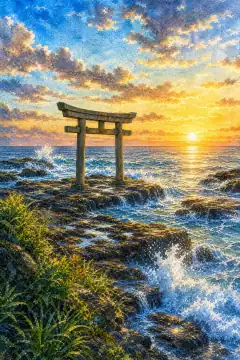
Oarai Isosaki Shrine (Isosaki no Torii)
大洗磯前神社(神磯の鳥居)
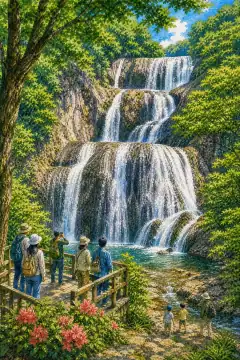
Fukuroda Falls
袋田の滝
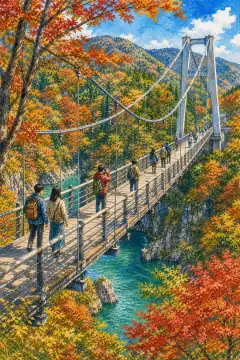
Ryujin Great Suspension Bridge
竜神大吊橋
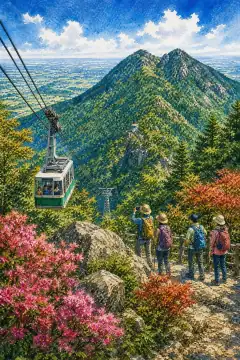
Mt. Tsukuba
筑波山
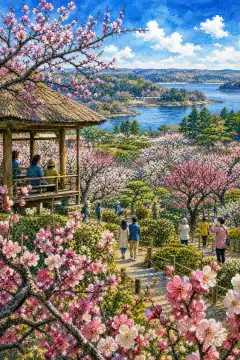
Kairakuen
偕楽園
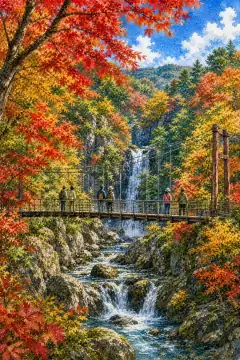
Hanaki Keikoku
花貫渓谷
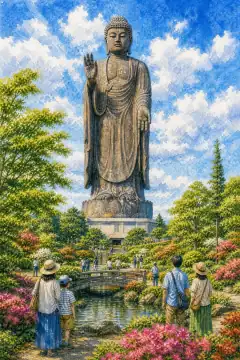
Ushiku Daibutsu
牛久大仏

Kasumigaura
霞ヶ浦
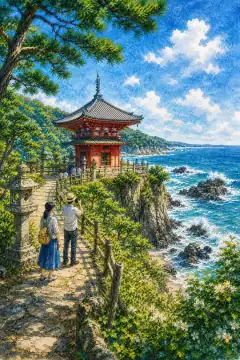
Oura Coast (Rokkakudo)
五浦海岸(六角堂)
An Illustrated Japan
Townscape & Scenery
Streets, harbours, hillsides: the places that give a prefecture its face.
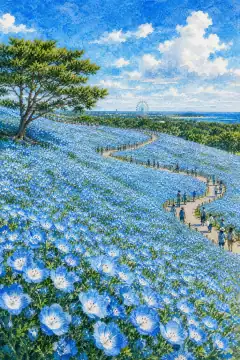
Hitachi Seaside Park
国営ひたち海浜公園
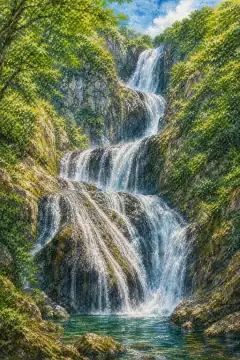
Fukuroda Falls
袋田の滝
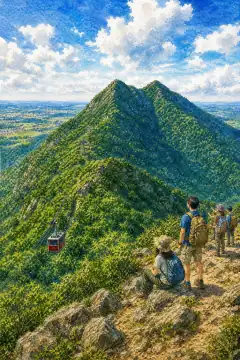
Mount Tsukuba
筑波山
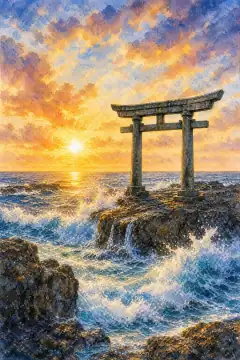
Kamiiso-no-Torii (Oarai Isosaki Shrine)
大洗磯前神社の「神磯の鳥居」
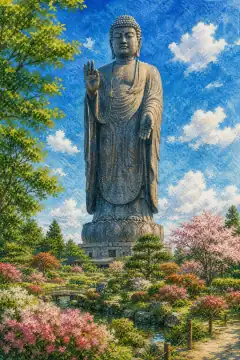
Ushiku Daibutsu (Great Buddha of Ushiku)
牛久大仏

Lake Kasumigaura
霞ヶ浦
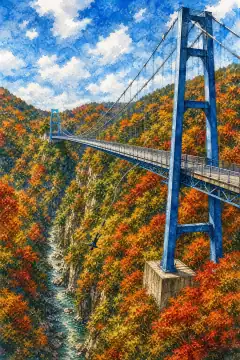
Ryujin Suspension Bridge
竜神大吊橋
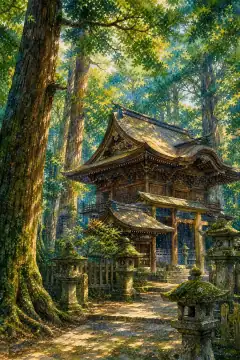
Kashima Shrine (Kashima Jingu)
鹿島神宮
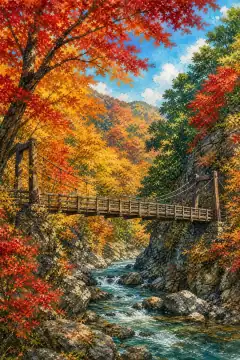
Hananuki Gorge
花貫渓谷
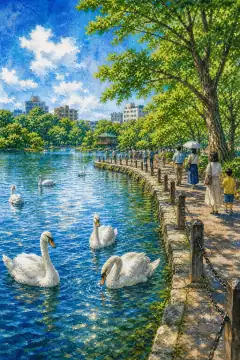
Lake Senba
千波湖
An Illustrated Japan
Culture & Tradition
Crafts, festivals, temples and the traditions still practised today.

Yuki Tsumugi
結城紬

Kasama ware (Kasama-yaki)
笠間焼

Suifu Lanterns
水府提灯
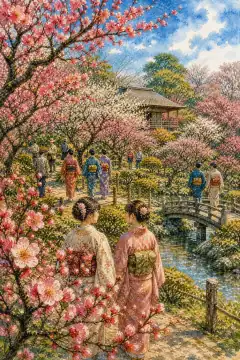
Kairaku-en Plum Festival
偕楽園の梅まつり
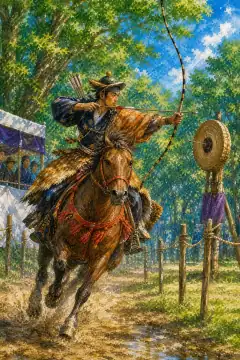
Yabusame (Japanese horseback archery)
流鏑馬(やぶさめ)

Sake Tasting at Sudo Honke Sake Brewery
須藤本家での日本酒体験
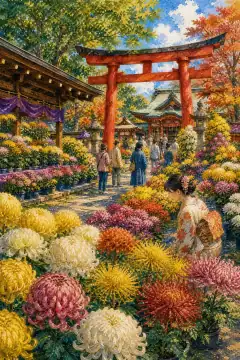
Chrysanthemum Festival at Kasama Inari Shrine
笠間稲荷神社の菊まつり
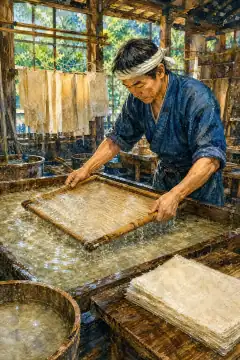
Nishinouchi Washi Papermaking
西ノ内和紙の紙漉き
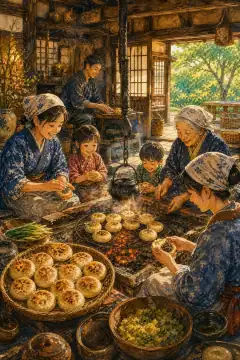
Daigo Oyaki
大子おやき
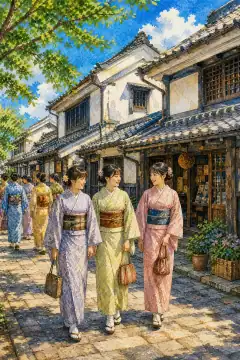
Yuki Townscape and Kimono Experience
結城の街並みと着物体験
An Illustrated Japan
Life & Daily
Food, bathhouses, morning routines — what an ordinary day tastes like.

Nakaminato Fish Market
那珂湊おさかな市場
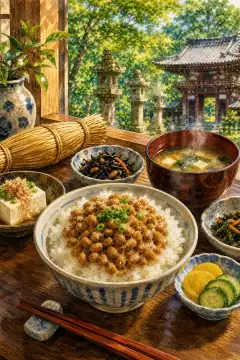
Natto Culture
納豆文化
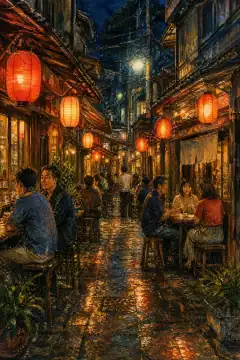
Izakaya & Snack Bar Experience
居酒屋・スナック体験

Farm and Harvest Experiences
農業・収穫体験
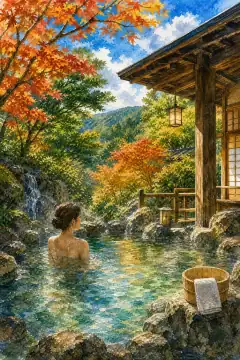
Stay at an Onsen Ryokan
温泉宿での滞在
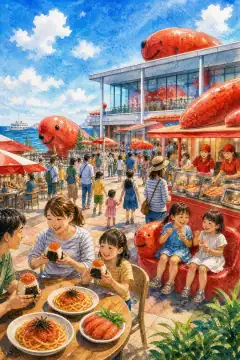
Mentai Park Oarai
めんたいパーク大洗

Kaachan's Diner (Oarai)
かあちゃんの店(大洗)
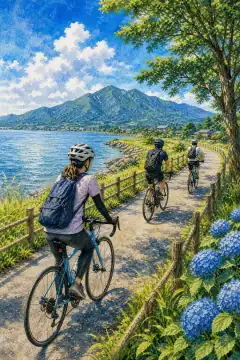
Cycling on the Tsukuba-Kasumigaura Ring-Ring Road
サイクリング(つくば霞ヶ浦りんりんロード)

Hitachi Aki Soba-Making Experience
常陸秋そば打ち体験
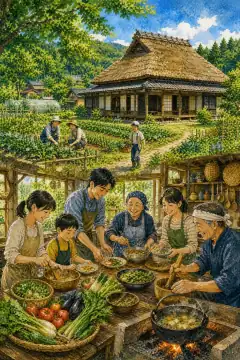
Farmstay (Farm Homestay)
農家民宿(ファームステイ)
About Ibaraki
Ibaraki Prefecture area 6,098.32 square kilometres 23rd nationally but fourth in habitable land population 2,777,226 estimated July 1 2026 about 2.78 million density 455 ranking 11th top among North Kanto three prefectures. Capital Mito about 265,000 core city while largest city now Tsukuba about 268,991 overtaking Mito 2025 census due to TX development followed by Hitachi. Geography sits northeast Kanto east facing Pacific Kashima-nada north bordering Fukushima west Tochigi Saitama south Chiba. Northern one third mountainous southern end Abukuma Highlands Yamizo Mountains with Mount Yamizo 1,021.8 m on border three prefectures highest, Kuji Taga mountains dissected by Naka Kuji Rivers. Central south Joso Plain part Kanto Plain historically Hitachi Plateau Shimosa Plateau. First class rivers Tone Naka Kuji plus Kinu Kokai tributaries flow Pacific. Lakes Kasumigaura as Japan second largest freshwater lake 220 sq km with Nishiura Kitaura, Kitaura Hinuma Ushiku. Historically area was Hitachi Province wholly plus parts of Shimosa Province transferred from Chiba Meiji including Sashima Yuki Toyoda districts. Name Ibaraki originates from Ibaraki District ancient county system described Hitachi Fudoki legends Prince Kurosaka using thorns defeat robbers. Mito domain Tokugawa Mitsukuni Mito Komon fame. Early Meiji no Ibaraki Prefecture but 1871 six small prefectures Mito Matsuoka Shishido Kasama Shimodate Shimotsuma merged create Ibaraki not named Mito due to low contribution new government. 1875 Niihari abolition added Kashima Namegata transfers from Chiba fixed borders. Climate Pacific side climate dry sunny winters humid summers no heavy snow zone prefecture as northernmost such prefecture. Northern coastal Hitachi mild winters January mean minima 1.2C warmest prefecture despite north summer cool 24.1C August mean. Northern mountain Daigo drop minus 10C central Mito plain radiation cooling minus 10C but few tropical nights southwestern Koga bordering Saitama hottest many scorching days southeastern Kashima-nada warmest winter rare snow. Tornadoes occasionally occur central south spring. Annual precipitation around 1,300 mm max October typhoon season. Industry strong agriculture melon quarter Japan top along with lotus root green pepper chestnut top three rice Ibaraki Hitachi beef Rose pork egg dairy near Omitama with airport. Mito natto fermented bean straw tradition. Manufacturing Kashima coastal industrial complex iron steel petrochemical Hitachi company town Hitachi Ltd Hitachi Chemical Hitachinaka auto construction machinery. Tsukuba Science City houses about 300 research institutes University Tsukuba JAXA space agency. Tourism Kairakuen garden Mito one Japan Three Great Gardens famed 3,000 plums February plum festival, Fukuroda Falls Daigo one Japan Three Great Waterfalls 120 m high four-tier frozen in winter called yohi-no-taki, Oarai Isosaki Shrine torii on rocks Pacific sunrise, Hitachi Seaside Park four million nemophila blue spring two million kochia red autumn, Kashima Shrine warrior shrine heading Tokyo great shrines deer garden, Ushiku Daibutsu 120 m bronzetallest world bronze statue, Mount Tsukuba double peak 877 m cable car legends Mount Fuji younger brother saying western panoramic, Kasumigaura hobikisenage sailing boat. Traditional events Mito Komon Festival Stone Festival. Ibaraki has no primate city each major city about ten percent prefecture population diverse access capital region near. Excellent access.