Mizuky Workshop / An Illustrated Japan / Kanto / Kanagawa
Kanagawa
40 illustrations · 神奈川県 · 神奈川县 · 神奈川縣
Kanagawa Prefecture, 2,416.55 km2 with about 9.2 million people, ranks second most populous in Japan in southwestern Kanto, capital Yokohama which itself holds 3.7 million residents as Japan's largest city. Boasting three ordinance-designated cities Yokohama, Kawasaki, and Sagamihara, it stretches from Tokyo Bay's Keihin industrial waterfront to Sagami Bay's Shonan beaches and the volcanic Hakone mountains, serving as Tokyo's major bedroom community and industrial partner while offering mild climate, dense rail links to Tokyo within one hour, resorts, historic Kamakura temples, and a global port heritage alive today.
An Illustrated Japan

Famous Views
The sights a prefecture is known for — the ones on the postcards, and a few that should be.
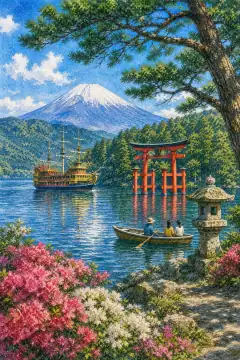
Lake Ashi
芦ノ湖
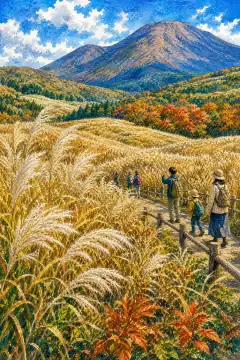
Sengokuhara Pampas Grassland
仙石原すすき草原
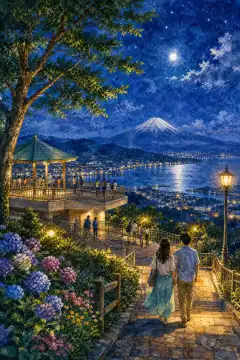
Shonan-daira
湘南平
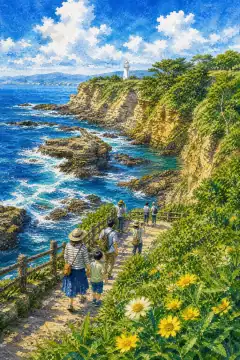
Jogashima Island
城ヶ島
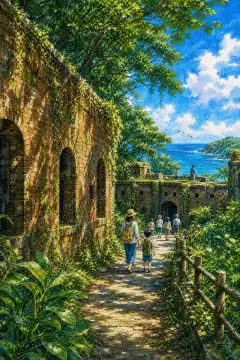
Sarushima Island
猿島
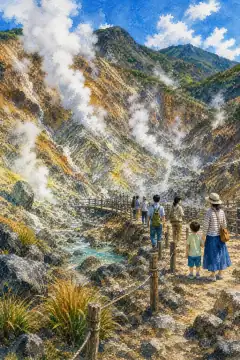
Owakudani
大涌谷
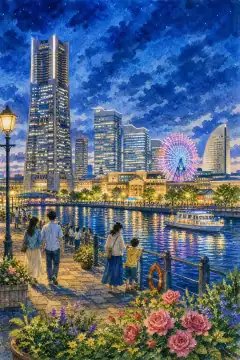
Minato Mirai 21
みなとみらい21
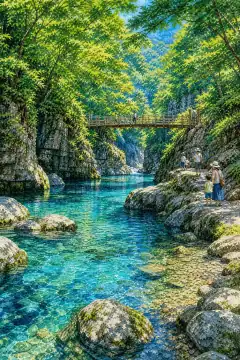
Yushin Gorge
ユーシン渓谷
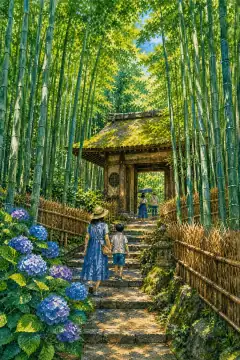
Hokoku-ji Temple
報国寺
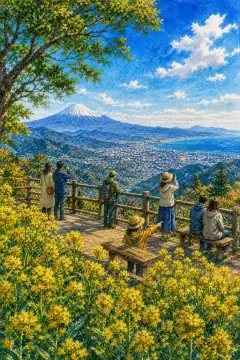
Nanohana-dai Observatory
菜の花台展望台
An Illustrated Japan
Townscape & Scenery
Streets, harbours, hillsides: the places that give a prefecture its face.
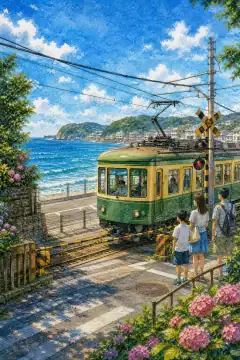
Kamakura High School Crossing
鎌倉高校前踏切
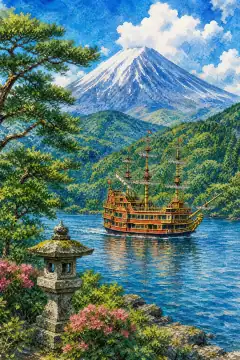
Mount Fuji Views (Hakone & Lake Ashi)
富士山の眺望(箱根・芦ノ湖)
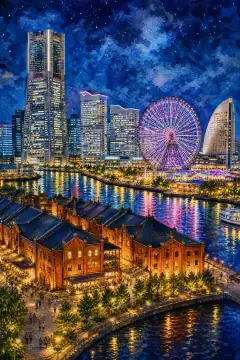
Yokohama Minato Mirai 21
横浜みなとみらい21
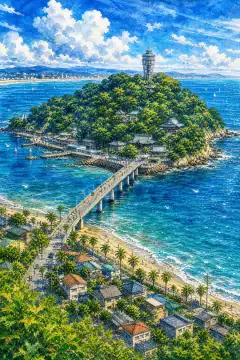
Enoshima
江の島
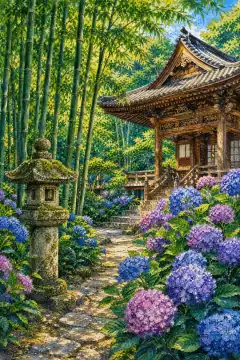
Temples and Nature of Kamakura
鎌倉の寺社と自然
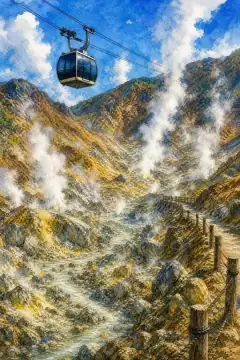
Owakudani (Hakone)
大涌谷(箱根)
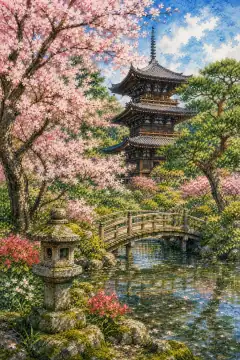
Sankeien Garden
三溪園(横浜)
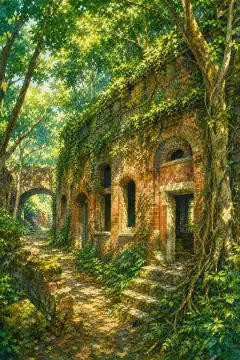
Sarushima (Yokosuka)
猿島(横須賀)
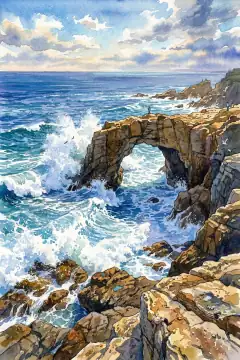
Jogashima Island (Miura Peninsula)
城ヶ島(三浦半島)
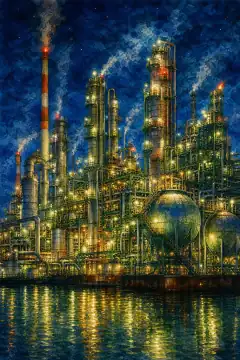
Kawasaki Factory Nightscape
川崎の工場夜景
An Illustrated Japan
Culture & Tradition
Crafts, festivals, temples and the traditions still practised today.
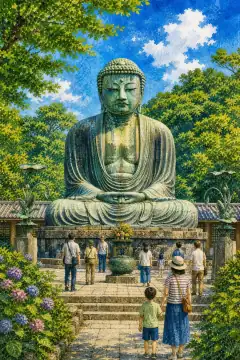
Great Buddha of Kamakura (Kōtoku-in)
鎌倉大仏(高徳院)
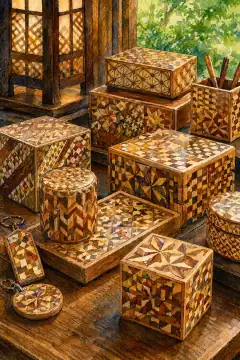
Hakone Yosegi (Hakone marquetry)
箱根寄木細工
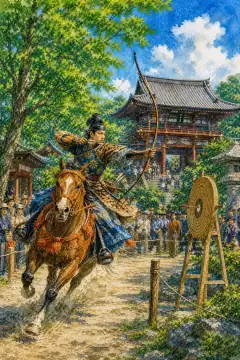
Ceremonies at Tsurugaoka Hachimangu Shrine
鶴岡八幡宮の神事
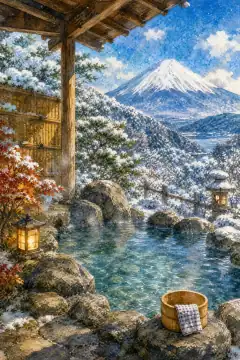
Hakone Onsen Culture
温泉文化(箱根)
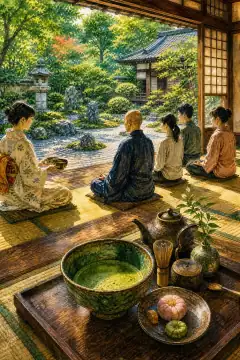
Tea Ceremony and Zazen Meditation Experience (Kamakura)
茶の湯・座禅体験(鎌倉)
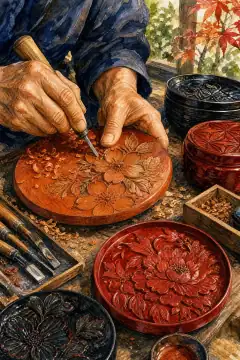
Kamakura-bori (Kamakura carving)
鎌倉彫
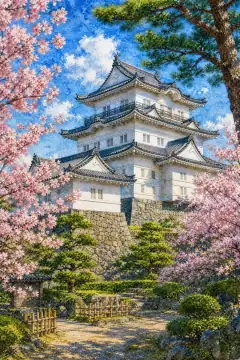
Odawara Castle
小田原城
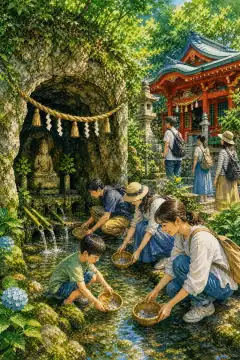
Zeniarai Benzaiten Ugafuku Shrine (Kamakura)
銭洗弁財天宇賀福神社(鎌倉)
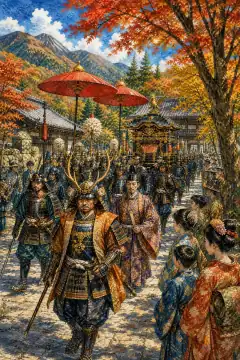
Hakone Daimyo Procession
箱根大名行列
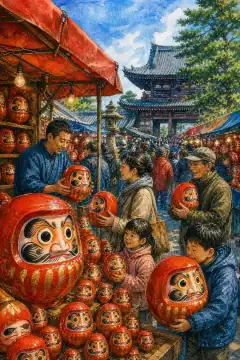
Daruma Market at Kawasaki Daishi
川崎大師のだるま市
An Illustrated Japan
Life & Daily
Food, bathhouses, morning routines — what an ordinary day tastes like.
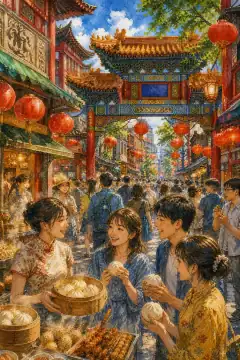
Yokohama Chinatown
横浜中華街
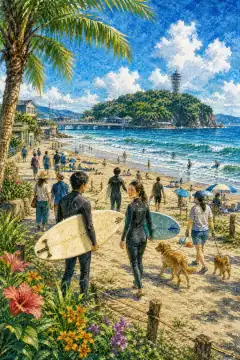
Seaside Life in Shonan and Enoshima
湘南・江の島の海辺の暮らし
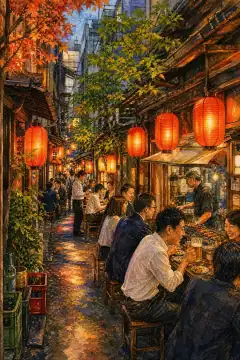
Izakaya & Local Eats (Noge, Yokohama)
居酒屋・ローカルグルメ(野毛)
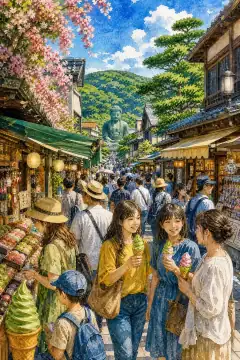
Komachi Street (Komachi-dori), Kamakura
鎌倉の小町通り
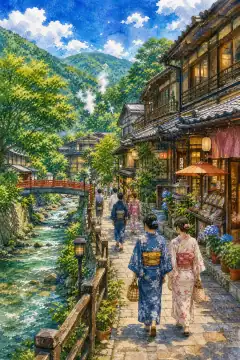
Stroll through Hakone-Yumoto Hot Spring Town
温泉街の散策(箱根湯本)
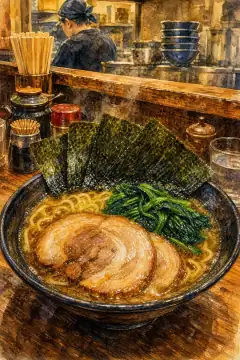
Iekei Ramen (Yokohama)
家系ラーメン(横浜)
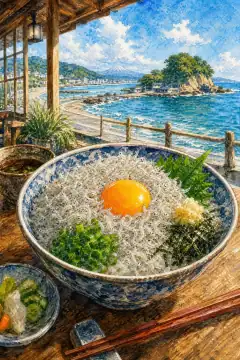
Shirasu Bowl (Shonan & Kamakura)
しらす丼(湘南・鎌倉)
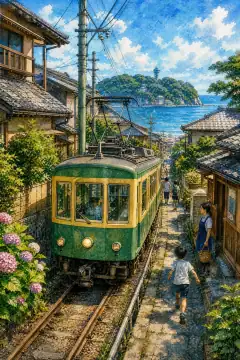
Enoden (Enoshima Electric Railway)
江ノ電(江ノ島電鉄)
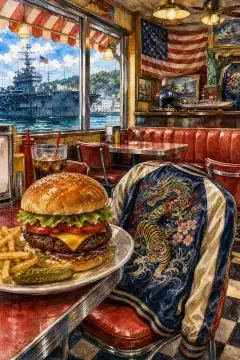
Yokosuka Navy Burgers and Sukajan
横須賀のネイビーバーガーとスカジャン
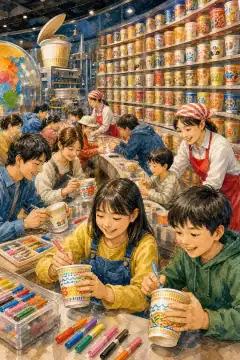
CupNoodles Museum Yokohama
カップヌードルミュージアム(横浜)
About Kanagawa
Kanagawa spans 2,416.55 km2, 43rd by area but second by population at 9,198,364 in July 2026, density 3,806 per km2, capital Yokohama's Naka Ward at Nihon Odori, the only prefecture with three ordinance cities and 33 municipalities overall. Its geography at Kanto's southwest tip borders Tokyo across the Tama River, Yamanashi via the Tanzawa Mountains, Shizuoka via Hakone Volcano, faces Tokyo Bay east and Sagami Bay south with Miura Peninsula protruding; land use is 38.8% forest, 27.8% residential. Mountain peaks Mt. Hiru 1,673 m, Mt. Hinokiboramaru 1,601 m, longest river Sagami 55.6 km feeding plains, Lake Ashi 7.1 km2 crater. History traces to Sagami Province plus Musashi's three counties, flourished as Kamakura shogunate 1192-1333 under Minamoto no Yoritomo with Tsurugaoka Hachimangu and five Zen monasteries, then Late Hojo clan's Odawara Castle dominating Kanto and building Japan's first urban waterworks, then Edo-period Tokaido post towns, and 1859 opening of Yokohama Port through Harris Treaty transforming it from fishing village to major treaty port handling silk export. Prefecture formalized 1871 from Kanagawa, Ashigara, etc. Climate is humid subtropical Cfa to small mountain variation: Yokohama averages 5.9°C January 26.7°C August 1,713 mm, Miura 6.4°C to 26.3°C, Ebina inland 4.6°C winter, Odawara 5.3°C, frequent September typhoon rain over 270 mm; western Hakone mountains over 2,000 mm and occasional snow though generally snowless coasts. Industry is Keihin Industrial Zone core: Kawasaki's steel, petrochemical complex at Chidori and Ukishima, automobile Nissan Oppama in Yokosuka, Yokohama's heavy industry, tech in Fujisawa, Atsugi electronics, Sagamihara machinery; Yokohama Port handles huge auto export and imported food and serves as cruise base; GDP ¥35.1 trillion fourth nationally. Agriculture suburban supplies Miura daikon radish and Yokohama cabbage, fishery at Misaki Port acclaimed for tuna auctions topping Tokyo. Submarine topography influences dense population and 90% daytime-night ratio indicating commuting to Tokyo, strongest bedtown character nationally with nicknamed Kanagawa tomin. Tourism icons are Minato Mirai 21 with Landmark Tower 296 m, Red Brick Warehouse Meiji brick warehouses converted to shopping, Japan's largest Chinatown 500 restaurants, Kamakura's Great Buddha 13.35 m 1252 bronze at Kotoku-in and Hasedera hydrangea temple, Hakone's Lake Ashi pirate ships with Fuji views, Owakudani sulfur vents and ropeway, Hakone Open-Air Museum, Enoshima Island and Shonan Hiratsuka's beaches and Shonan Bellmare sunset surf, plus Odawara Castle and cherry blossoms, all easily reached by Odakyu Romancecar and Tokaido Shinkansen from Tokyo in 30 minutes. International schools and US Navy Yokosuka base add multicultural flavor to the prefecture.