Mizuky Workshop / An Illustrated Japan / Chubu / Niigata
Niigata
40 illustrations · 新潟県 · 新潟县 · 新潟縣
Niigata Prefecture, 12,583.8 km2 with 2.05 million people overlooking the Sea of Japan in Chubu, capital Niigata City designated ordinance city, ranks fifth largest by area in Japan. Centered on the vast Echigo Plain fed by Japan's longest Shinano River and historic Sado Island gold mines, it is famed for Uonuma Koshihikari rice, over 90 sake breweries, world-class heavy snow in inland mountains, and Japan's longest coastline with the most beaches at about 634 km of sandy dunes, pine forests, and dramatic winter surf.
An Illustrated Japan

Famous Views
The sights a prefecture is known for — the ones on the postcards, and a few that should be.
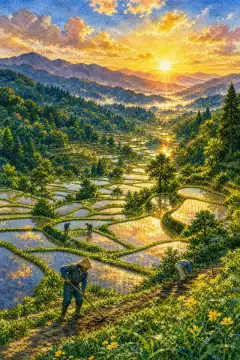
Hoshitoge no Tanada
星峠の棚田
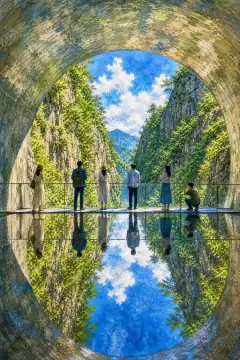
Kiyotsu Gorge Tunnel
清津峡渓谷トンネル
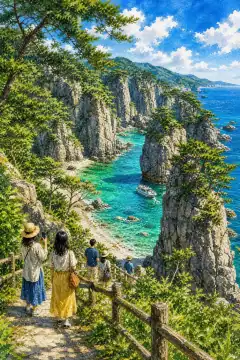
Sasagawa Nagashi
笹川流れ
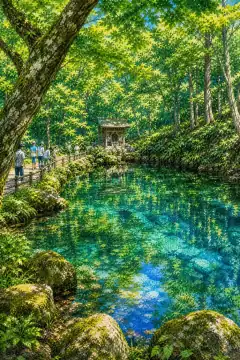
Ryugakubo
竜ヶ窪
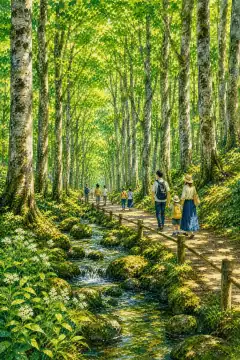
Bijinbayashi
美人林
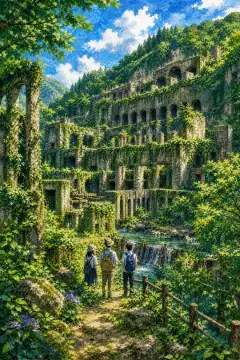
Kitazawa Flotation Plant Ruins
北沢浮遊選鉱場跡
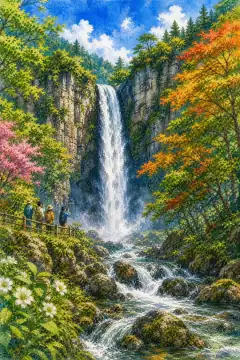
Naena Falls
苗名滝
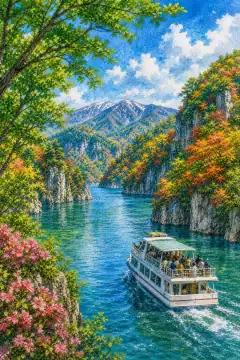
Okutadami Lake
奥只見湖
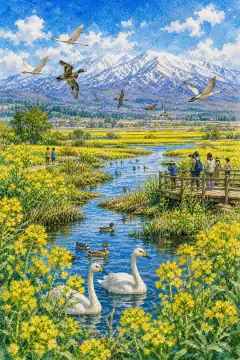
Fukushimagata
福島潟
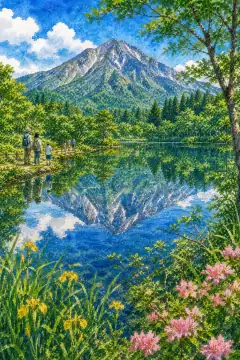
Imori-ike
いもり池
An Illustrated Japan
Townscape & Scenery
Streets, harbours, hillsides: the places that give a prefecture its face.
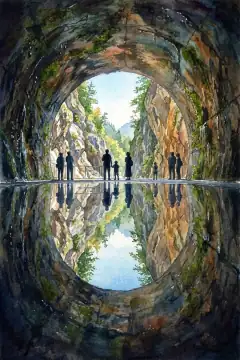
Kiyotsu Gorge Tunnel
清津峡渓谷トンネル
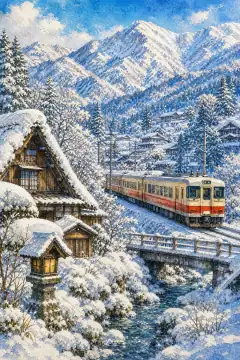
Echigo-Yuzawa's Snow Scenery
越後湯沢の雪景色
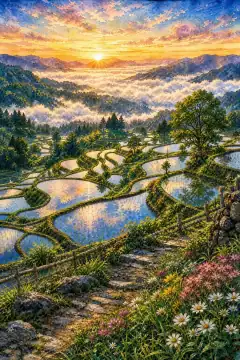
Hoshitoge Rice Terraces
星峠の棚田
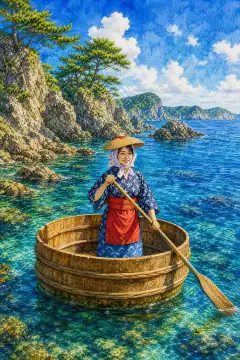
Tarai-bune (Tub Boats) on Sado Island
佐渡島のたらい舟
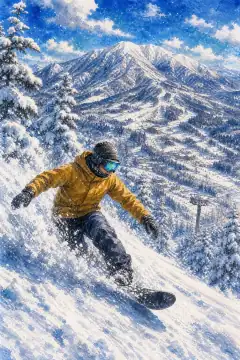
Myoko Kogen
妙高高原
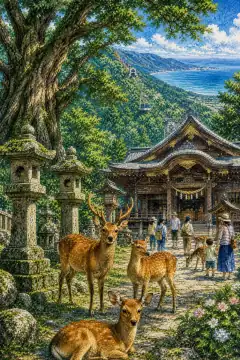
Yahiko Shrine and Mount Yahiko
彌彦神社と弥彦山
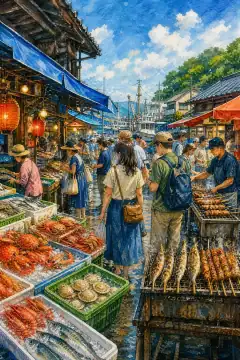
Teradomari Fish Market Street
寺泊の魚の市場通り
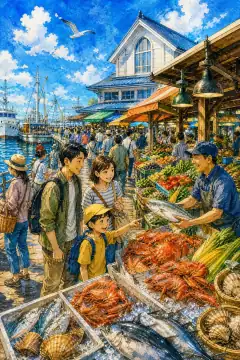
Pier Bandai
ピアBandai
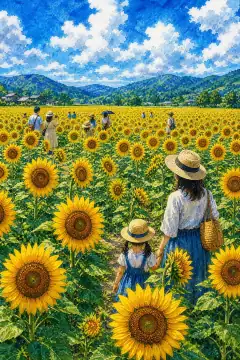
Tsunan Sunflower Fields
津南のひまわり広場
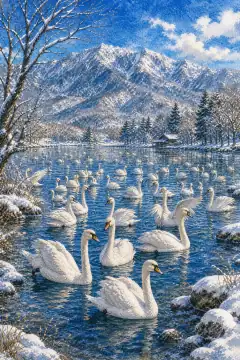
Hyoko Lake (Swan Wintering Ground)
白鳥の飛来地(瓢湖)
An Illustrated Japan
Culture & Tradition
Crafts, festivals, temples and the traditions still practised today.
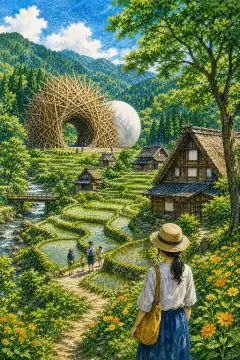
Echigo‑Tsumari Art Triennale
大地の芸術祭 越後妻有アートトリエンナーレ
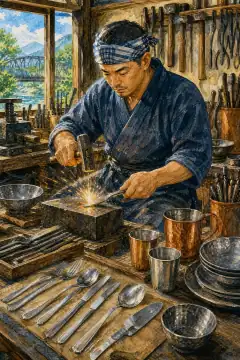
Tsubame-Sanjo Metalworking
燕三条の金属加工
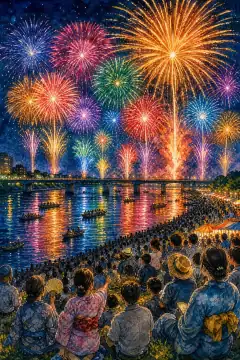
Nagaoka Festival Grand Fireworks
長岡まつり大花火大会
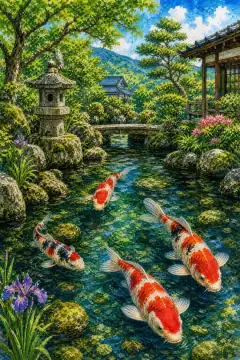
Nishikigoi (Koi Carp) — Ojiya and Nagaoka
錦鯉(小千谷・長岡)
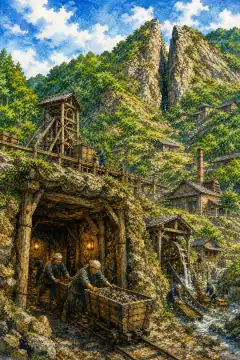
Sado Kinzan (Sado Gold Mine)
佐渡島の金山
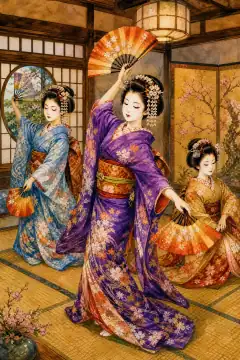
Furumachi Geisha District
古町芸妓

Tokamachi Snow Festival
十日町雪まつり
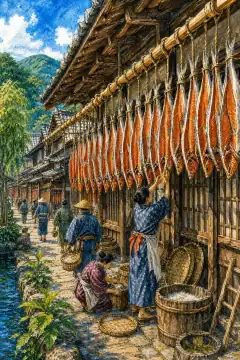
Murakami Salmon Culture
村上の鮭文化
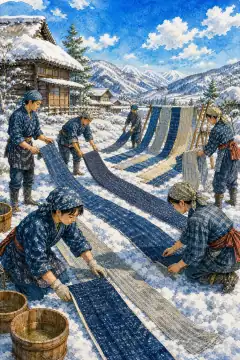
Echigo Jofu and Ojiya Chijimi
越後上布・小千谷縮
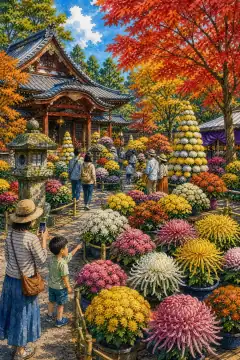
Yahiko Chrysanthemum Festival
弥彦菊まつり
An Illustrated Japan
Life & Daily
Food, bathhouses, morning routines — what an ordinary day tastes like.
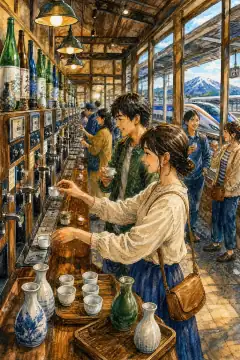
Ponshukan Sake Tasting
ぽんしゅ館での利き酒体験
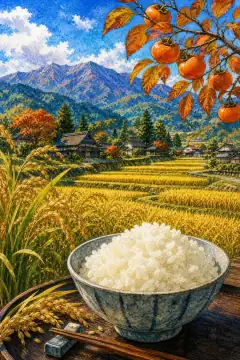
Koshihikari Rice and Rural Scenery
コシヒカリと田園風景
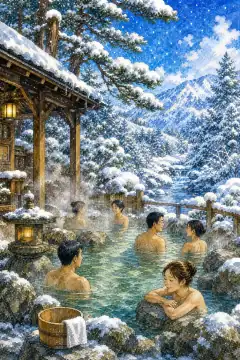
Yukimi-buro (Snow-Viewing Onsen Bathing)
雪見風呂(温泉文化)
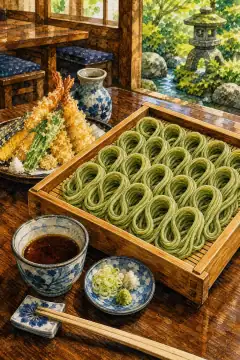
Hegi Soba
へぎそば
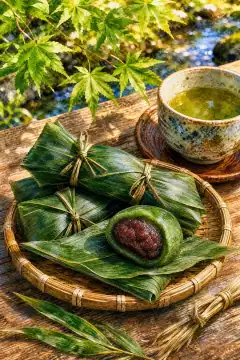
Sasa-dango
笹団子

Italian (Niigata local specialty)
イタリアン(ご当地グルメ)
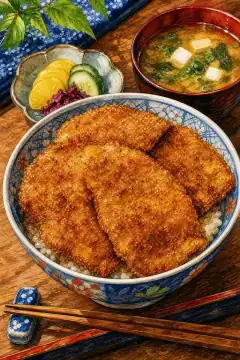
Tare Katsu-don (Niigata-style sauced pork cutlet rice bowl)
タレかつ丼
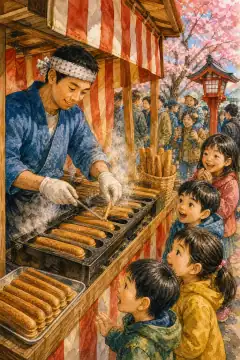
Poppo-yaki
ぽっぽ焼き
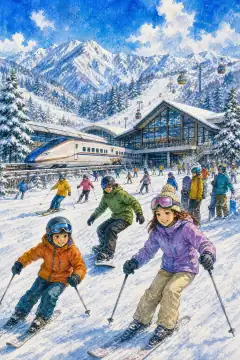
Snow Resort Stay
スノーリゾートでの滞在
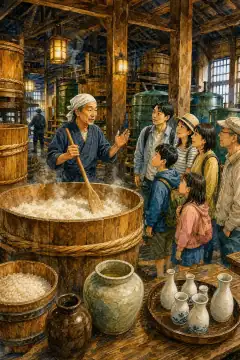
Niigata Sake Brewery Tours
日本酒の酒蔵見学
About Niigata
Niigata covers 12,583.8 km2, fifth largest, population 2,045,574 density 163 per km2, capital Niigata City Chuo Ward Shin-Kocho, Japan Sea coast facing northwest, backed southeast by Asahi and Echigo Mountains and Kubiki massif forming borders with Yamagata, Fukushima, Gunma, Nagano, Toyama, plus Sado Island 855 km2 and Awashima in the sea. Two great rivers, Shinano 367 km Japan's longest emptying into Sea of Japan at Niigata Port and Agano River, create the Echigo Plain second-largest alluvial plain nationally after Kanto Plain, Japan's biggest Sea of Japan side plain, and Takada Plain of Sekikawa River in Joetsu. Historically corresponding to Echigo and Sado Provinces together called Essa, part of ancient Koshi Province, shifting through Sengoku Uesugi Kenshin's Kasugayama Castle rule; early Meiji 13 domains coexisted, 1876 merging Niigata, Kashiwazaki, Aikawa prefectures almost matches today plus 1886 adding Higashikambara from Fukushima completes shape. Historically Sado was exile island then gold mine supplying Edo shogunate's koban currency from 1601, now candidate World Heritage. Climate is Japan Sea climate entirely heavy-snow zone special heavy in mountains, short sunshine winter, abundant summer sun; coastal Niigata City annual snowfall 139 cm max 32 cm versus inland Tsunan 1,301 cm 271 cm, Myoko Sekiyama 1,061 cm 204 cm, Yuzawa 1,054 cm 208 cm, Tokamachi 967 cm 217 cm, Nagaoka 477 cm 89 cm; 1927 record at Itayama settlement 818 cm inhabited deepest. Temperature averages most places 24-26°C warmest August, coldest 0-3°C January; inland foehn may push 41°C as Sanjo and Tainai recorded 40°C-plus September 3 2020, and Joetsu minimum night 31.1°C August 15 2019 tied Japan's hottest night records; Sado Aikawa maritime January 4.0°C July 25-26°C with small diurnal range under 30°C max average. Industry's rice output dominates with Koshihikari brand from Uonuma, sake brewing active due to soft snowmelt water and rice, over 90 breweries; Tsubame-Sanjo region produces 90% of Japan's metal Western tableware and hardware, Nagaoka industrial instruments, Ojiya nishikigoi ornamental carp bred since early 19th century now exported for millions yen per high-grade fish, plus modest oil and gas fields in Agano and Higashiyama. Cultural mascot Lele the skier based on Austrian major Theodor von Lerch who taught Japan first skiing in 1911 at Takada. Major attractions opening tourism are Sado Island's abandoned gold shafts and Sado bugyo magistrate and tarai-bune tub boats and reintroduced crested ibis toki bred Chinese stock now 500 wild, Yuzawa Onsen ski resort with 20 slopes featured in Yasunari Kawabata Nobel novel Snow Country, Kiyotsu Gorge columnar cliffs tunnel, Yahiko Shrine and Yahiko ski, Nagaoka Festival massive fireworks star-mines 650 m diameter.