Mizuky Workshop / An Illustrated Japan / Chubu / Aichi
Aichi
40 illustrations · 愛知県 · 爱知县 · 愛知縣
Aichi anchors the Chukyo Metropolis with about 7.44 million people, fourth nationwide, capital Nagoya 2.33 million designated city. Concentrated on Nobi Plain west 70 percent population with Mikawa mountains east, it leads Japan in manufactured shipments for 46 years running reaching 58 trillion yen thanks to Toyota Motor in Toyota City and aerospace clusters in Nagoya, with commerce 39.4 trillion yen and agriculture also top ranked nationwide. This prefecture balances nature, history, and modern industry with broad appeal for residents and visitors seeking food specialties, scenic landscapes, and well-preserved cultural heritage.
An Illustrated Japan

Famous Views
The sights a prefecture is known for — the ones on the postcards, and a few that should be.
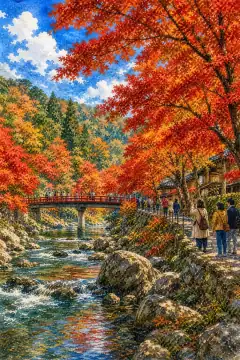
Korankei
香嵐渓
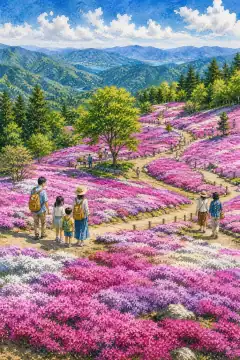
Chausuyama Kogen
茶臼山高原
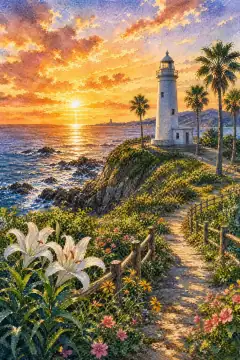
Irago Cape
伊良湖岬
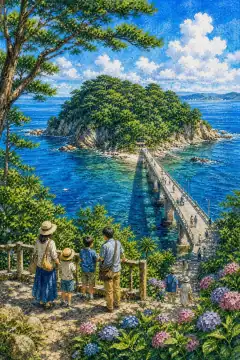
Takeshima
竹島
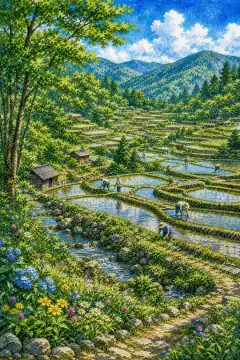
Yotsuya no Senma-den
四谷の千枚田
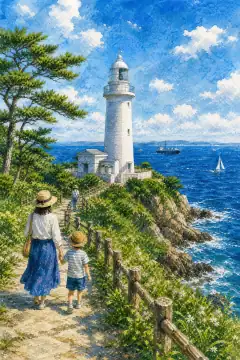
Nomasaki Lighthouse
野間埼灯台
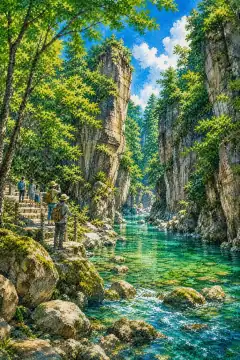
Nyugan Gorge
乳岩峡
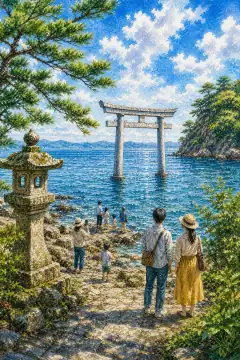
Tsubotega-ura
つぶてヶ浦
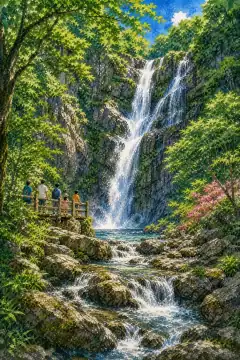
Hyakken Falls
百間滝
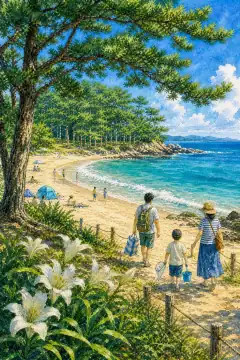
Koiroga-hama
恋路ヶ浜
An Illustrated Japan
Townscape & Scenery
Streets, harbours, hillsides: the places that give a prefecture its face.
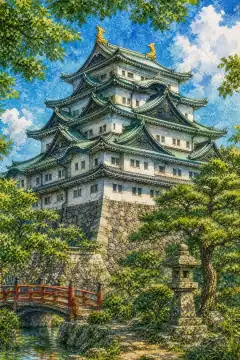
Nagoya Castle
名古屋城
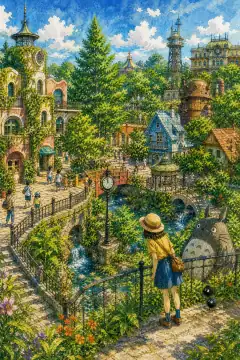
Ghibli Park
ジブリパーク
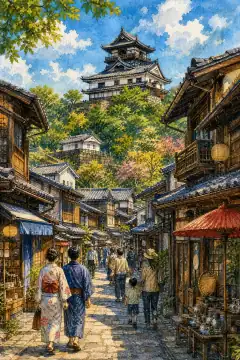
Inuyama Castle and Castle Town
犬山城と城下町
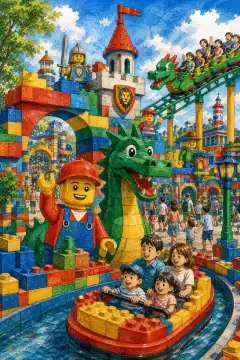
LEGOLAND Japan
レゴランド・ジャパン
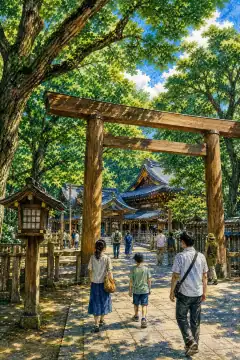
Atsuta Shrine
熱田神宮
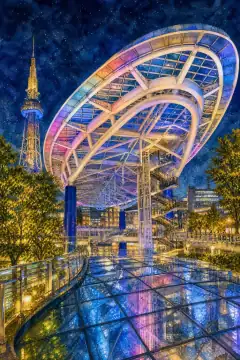
Oasis 21
オアシス21
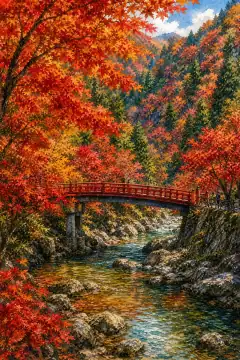
Korankei Gorge
香嵐渓
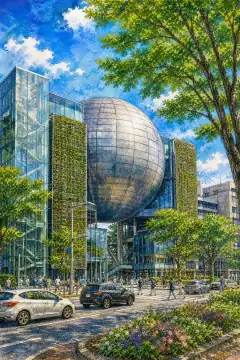
Nagoya City Science Museum
名古屋市科学館
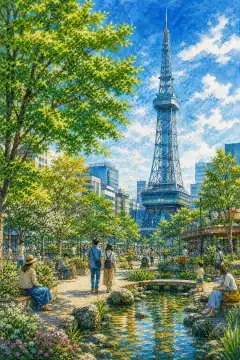
Chubu Electric Power MIRAI TOWER
中部電力 MIRAI TOWER
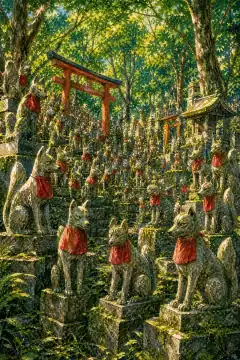
Toyokawa Inari
豊川稲荷
An Illustrated Japan
Culture & Tradition
Crafts, festivals, temples and the traditions still practised today.
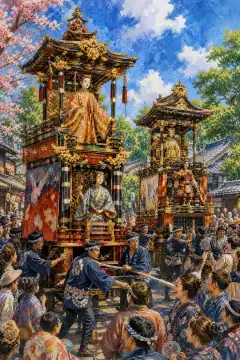
Inuyama Festival — Karakuri Dolls
犬山祭・からくり人形
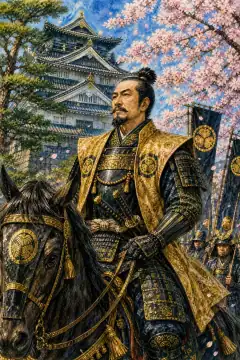
Tokugawa Ieyasu and Samurai Culture
徳川家康・武将文化
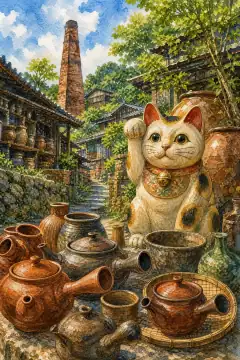
Tokoname Ware (Ceramics)
常滑焼・陶磁器
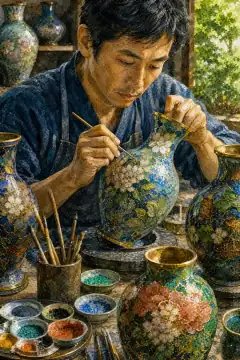
Owari Cloisonné
尾張七宝
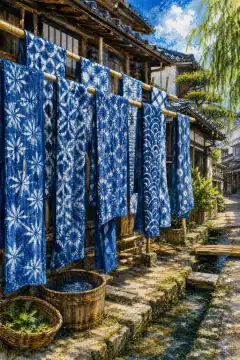
Arimatsu-Narumi Shibori
有松・鳴海絞り
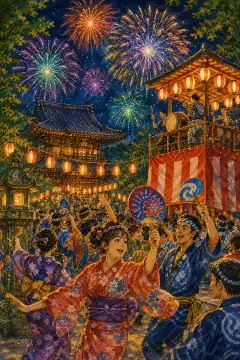
Toyota Oiden Festival
豊田おいでんまつり
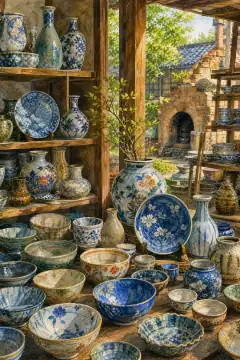
Seto ware (Seto-yaki)
瀬戸焼
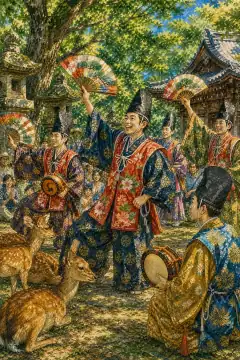
Owari Banzai
尾張万歳
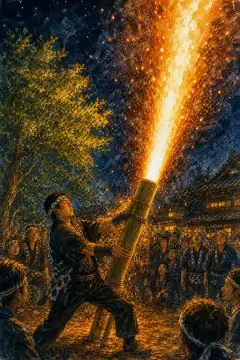
Toyohashi Tezutsu Fireworks
豊橋の手筒花火

Nagoya Yuzen
名古屋友禅
An Illustrated Japan
Life & Daily
Food, bathhouses, morning routines — what an ordinary day tastes like.
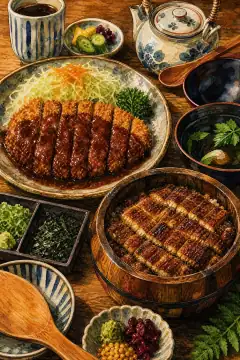
Nagoya cuisine (miso-katsu, hitsumabushi)
なごやめし(味噌カツ・ひつまぶし)
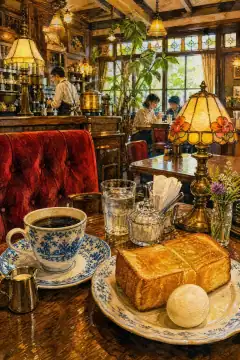
Morning Service (Aichi Café Culture)
モーニング文化
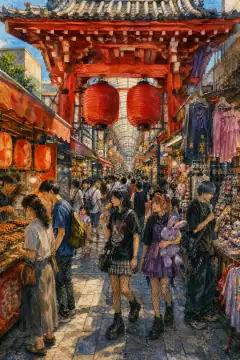
Osu Shopping District
大須商店街
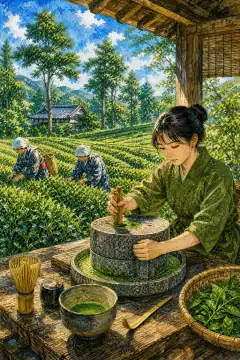
Matcha Experience (Nishio Matcha)
抹茶体験(西尾の抹茶)
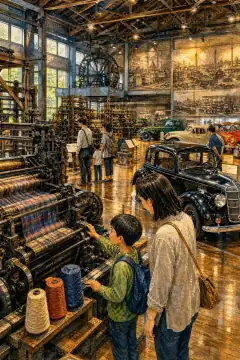
Toyota Industrial Tourism
トヨタの産業観光
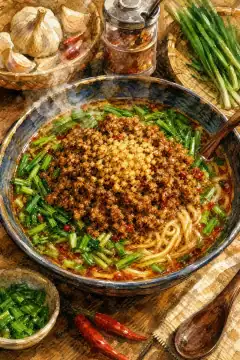
Nagoya-style Taiwan Ramen
台湾ラーメン
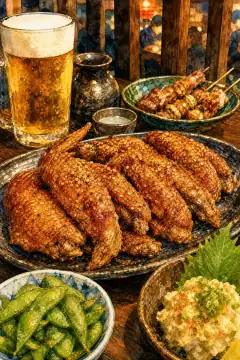
Tebasaki (Nagoya-style deep-fried chicken wings)
手羽先唐揚げ
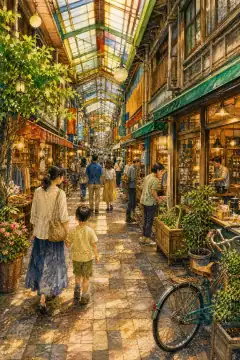
Endoji Shopping Street
円頓寺商店街
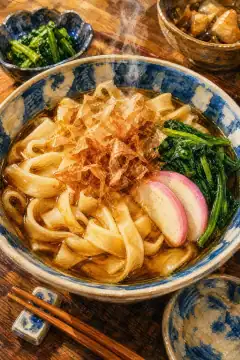
Kishimen
きしめん
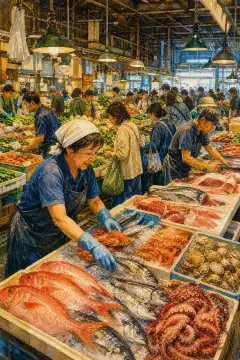
Yanagibashi Central Market
柳橋中央市場
About Aichi
Aichi Prefecture covers about 5,173.26 sq km and about 7.44 million residents (7,446,480 estimated July 2026) ranking fourth Japan, capital Nagoya City designated ordinance city 2.33 million people. Located Tokai Chubu, borders Shizuoka, Nagano east, Gifu north, Mie west, opening south Ise Bay, Mikawa Bay Chita, Atsumi Peninsulas, Mikawa Bay dotted three inhabited islands Himakajima octopus and fugu, Shinosima shirasu, Sakushima art. Topography flat western Owari centered Nobi Plain alluvial soil where population concentrates 70 percent, mountainous eastern Mikawa Sanage peaks up to Chausuyama 1,415 m Nagano border. Rivers Kiso, Yahagi, Toyokawa. History corresponds Owari, Mikawa provinces, birthplace three heroes Oda Nobunaga Nagoya Castle precursor, Toyotomi Hideyoshi Nakamura, Tokugawa Ieyasu Okazaki Castle. In 1871 Haihan-chiken former Owari minus Chita became Nagoya Prefecture, Mikawa plus Chita became Nukata Prefecture, Nagoya Prefecture renamed Aichi April 1872 after Aichi County where Nagoya center lay meaning hot field, merging Nukata November 1872 present. Climate Pacific type hot humid summers over 35 C many days, muggy due south wind Ise Bay, dry sunny winters Ibuki-oroshi dry wind 10 m/s snow small, occasional heavy snow inflow Sekigahara penetrating western Aichi up to 20 cm Nobi such as 1995, slight Central Highland influence northeastern mountains Shitara 500 cm snow limited. Dialect Owari ben famous phrase dandara rin Mikawa ben jan dara rin. Industry Japan largest industrial prefecture 46 consecutive years top manufactured shipments 58 trillion yen peak 2019, anchored Toyota City home Toyota Motor 380,000 employees group, aerospace Nagoya region Mitsubishi Heavy Industries MRJ Boeing parts, ceramics, steel Tokai City. Commercial sales 39.4 trillion yen third nationwide centered Nagoya Station Sakae. Agriculture 311.4 billion yen eighth nationwide including Nagoya Cochin chicken, ichijiku figs, cabbage. Tourism highlights Nagoya Castle rebuilt Honmaru Palace using Kiso hinoki, Atsuta Shrine enshrining Kusanagi sword one Three Sacred Treasures, Inuyama Castle national treasure oldest Tenshu 1601 Japan, Korankei maple valley Toyota City 4,000 maples illuminated evening Heike falling Tsuzumi, Iragomisaki Cape tip Atsumi Peninsula lighthouse romantic love bell, Toyota Commemorative Museum Industry Technology, SCMaglev Park, Legoland Japan, Lake Iruka, Ghibli Park Morikoro Park former Expo 2005 Totoro hill. Chubu Centrair International Airport artificial island air gateway. Tourism and industry coexist with deep cultural traditions preserved for centuries offering visitors nature, history, and cuisine year-round. Nagoya meshi cuisine like hitsumabushi eel, miso katsu, tebasaki chicken wings, and kishimen noodles defines local eating culture. Industrial tourism includes factory tours at Toyota and Noritake ceramics. Seaside activities focus on tidal flats, fishing, and beach walks, while modern shrines hosting summer festivals bring water and light shows to center city. Combined attractions make it suitable for first-time and repeat visitors year-round with efficient public transport and well-signed hiking routes.