Mizuky Workshop / An Illustrated Japan / Chubu / Fukui
Fukui
40 illustrations · 福井県 · 福井县 · 福井縣
Fukui is the westernmost Hokuriku prefecture in Chubu with about 730,000 people and capital Fukui City. Comprising Echizen in the north and Wakasa in the south, it combines prehistoric fame from world-class Cretaceous dinosaur fossils with medieval Zen culture at Eiheiji, winter culinary treasures like Echizen crab, and dramatic coasts including Tojinbo cliffs and Wakasa's rias bays that draw photographers. This prefecture balances nature, history, and modern industry with broad appeal for residents and visitors seeking food specialties, scenic landscapes, and well-preserved cultural heritage.
An Illustrated Japan

Famous Views
The sights a prefecture is known for — the ones on the postcards, and a few that should be.
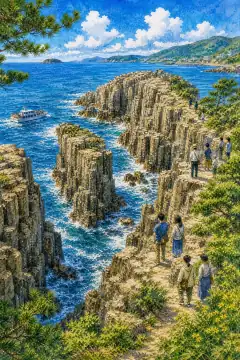
Tojinbo
東尋坊
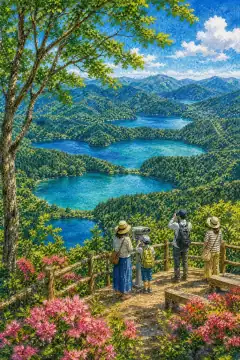
Mikata Five Lakes
三方五湖
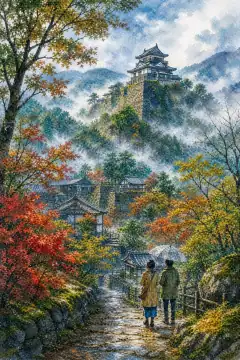
Echizen Ono-jo
越前大野城
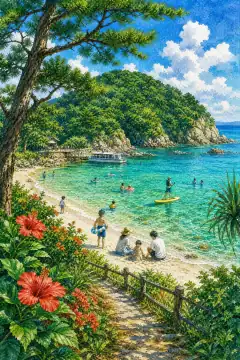
Mizushima
水島
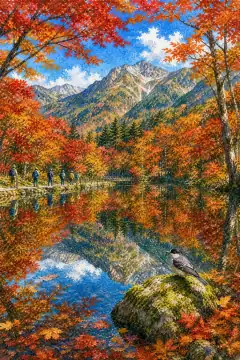
Karikomi-ike
刈込池

Cape Echizen
越前岬
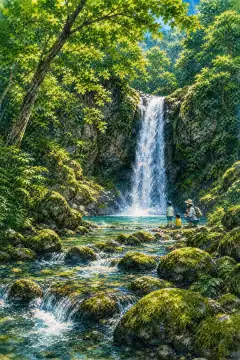
Uriwari Falls
瓜割の滝
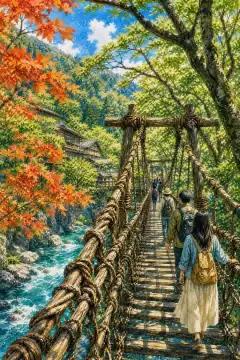
Kazura Bridge
かずら橋
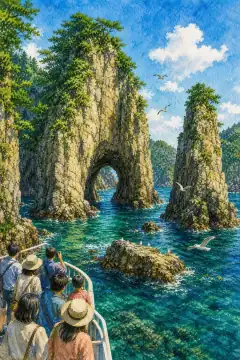
Soto-mon
蘇洞門
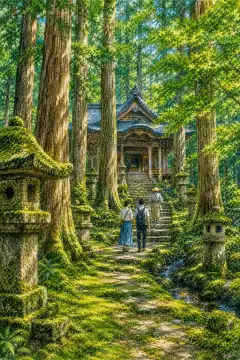
Hakusan Heisen-ji
白山平泉寺
An Illustrated Japan
Townscape & Scenery
Streets, harbours, hillsides: the places that give a prefecture its face.
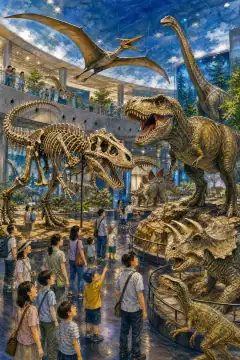
Fukui Prefectural Dinosaur Museum
福井県立恐竜博物館
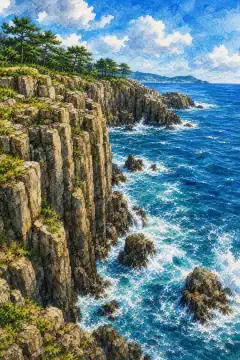
Tojinbo Cliffs
東尋坊
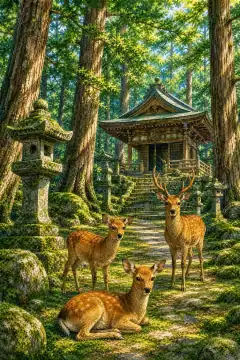
Heisenji Hakusan Shrine
平泉寺白山神社
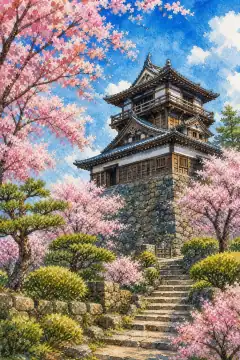
Maruoka Castle
丸岡城
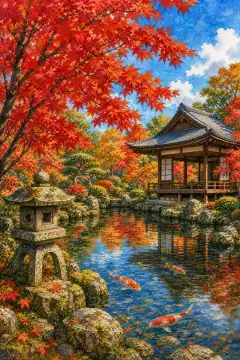
Yokokan Garden
養浩館庭園
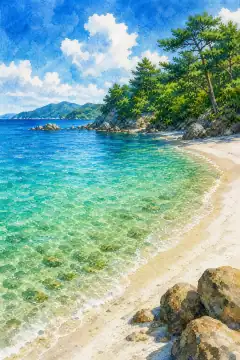
Suisho Beach (Suishohama Beach)
水晶浜海水浴場
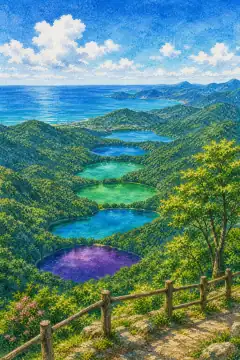
Mikata Five Lakes Rainbow Line
三方五湖レインボーライン
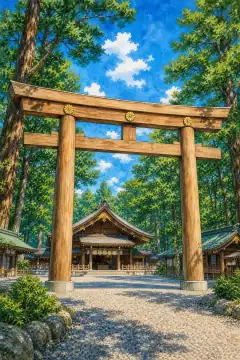
Kehi Shrine (Kehi Jingu)
氣比神宮
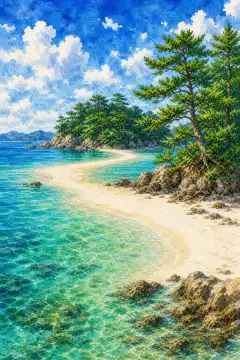
Mizushima
水島
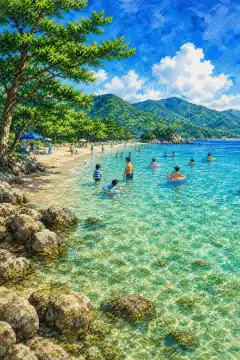
Wakasa Wada Beach
若狭和田ビーチ
An Illustrated Japan
Culture & Tradition
Crafts, festivals, temples and the traditions still practised today.
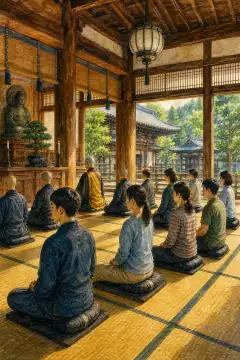
Zazen Experience at Eihei-ji Temple
永平寺での座禅体験
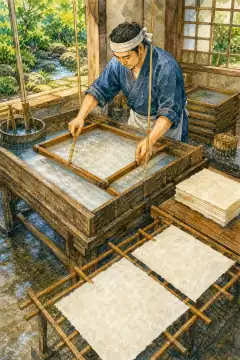
Echizen Washi
越前和紙
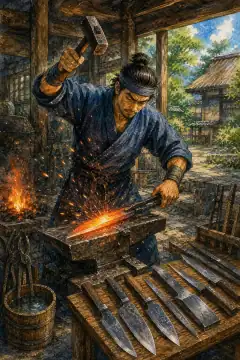
Echizen Forged Cutlery
越前打刃物
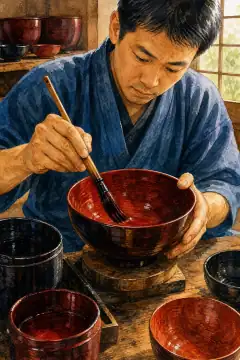
Echizen Lacquerware
越前漆器
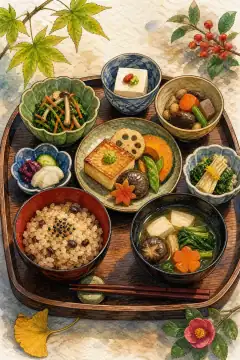
Shojin ryori (Buddhist vegetarian cuisine)
精進料理
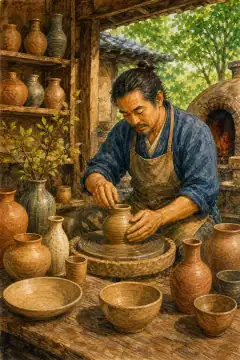
Echizen ware
越前焼

Wakasa-nuri chopsticks
若狭塗箸
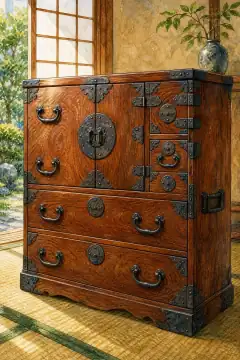
Echizen Tansu
越前箪笥
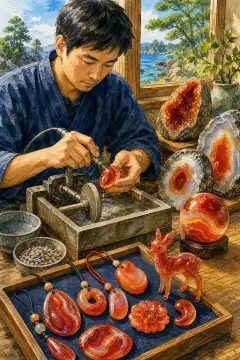
Wakasa Agate Craft
若狭めのう細工
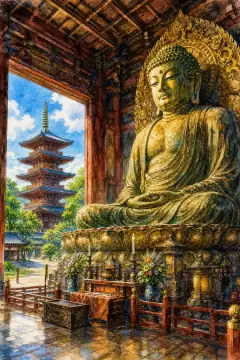
Daishiyama Seidaiji (Echizen Great Buddha)
大師山清大寺(越前大仏)
An Illustrated Japan
Life & Daily
Food, bathhouses, morning routines — what an ordinary day tastes like.
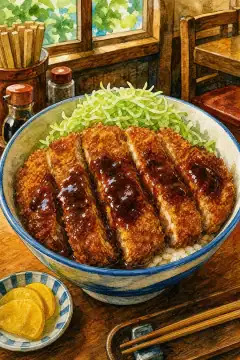
Sauce Katsudon
ソースかつ丼
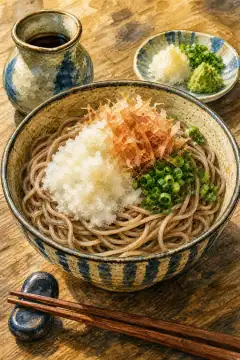
Echizen Oroshi Soba
越前おろしそば
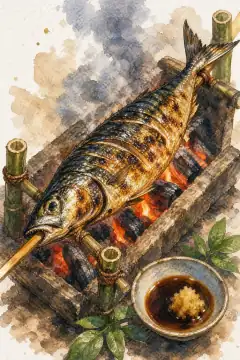
Whole-Grilled Mackerel
鯖の丸焼き
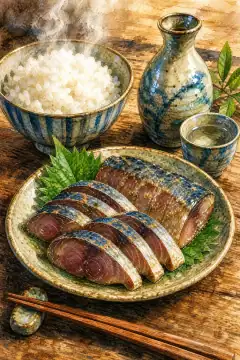
Heshiko
へしこ
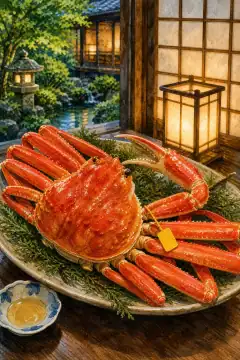
Echizen Crab
越前がに
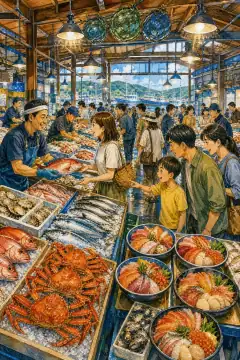
Japan Sea Fish Market (Nihonkai Sakana-gai)
日本海さかな街
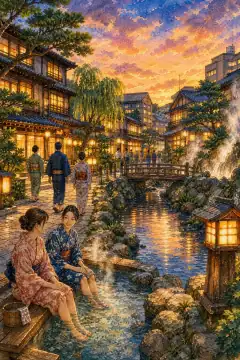
Steam Rising at Awara Onsen
あわら温泉の湯けむり
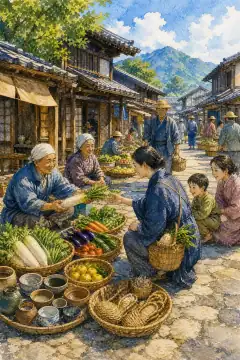
Shichiken Morning Market
七間朝市
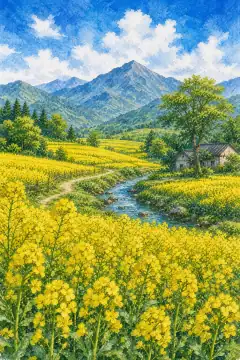
Canola Flower Fields
菜の花畑の風景
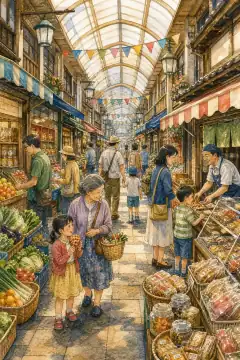
Shopping Experience in Local Shopping Streets
商店街での買い物体験
About Fukui
Fukui Prefecture spans about 4,190.56 sq km and holds roughly 730,000 residents (about 736,000 estimated in 2025), with its capital at Fukui City. It sits at the western end of Hokuriku in Chubu, bordering Ishikawa to the north, Gifu to the east, Shiga and Kyoto to the south, and the Sea of Japan and Wakasa Bay to the northwest, with a long coastline including Echizen Coast quasi-national park and Wakasa Bay quasi-national park. Topography divides at Kinome, Nakayama and Tochinoki passes into Reihoku and Reinan, featuring Echizen Coast cliffs, Tojinbo columnar joints formed by Miocene andesite, and the deeply indented rias of Wakasa Bay with 180 islands, Sotomo sea caves. The prefecture corresponds to Echizen and Wakasa provinces. It was born from Fukui Domain in the 1871 Haihan-chiken, merged into Ishikawa in 1876, then re-established in 1881, the last prefecture re-established. Climate is humid Sea of Japan type; whole prefecture designated heavy-snow zone, with special heavy-snow zones in Ono, Katsuyama, Ikeda, former Imajo, where snowfall exceeds 500 cm, Yamagata comparable. Coastal areas moderated by Tsushima Current still see 170 rain-or-snow days a year, giving saying never forget your umbrella in Fukui, or forget your lunch but not your umbrella in Mikata. Industry excels in eyeglass frames at Sabae supplying about 90 percent domestic and 20 percent worldwide, textiles including synthetic fibers from Showa industrialization, precision machinery, nuclear power generation with 15 reactors historically along Wakasa coast called Genshiryu Ginza. Local specialties include Echizen crab winter delicacy ruby, Wakasa fugu blowfish, Echizen soba, Echizen ware one of Japan's six ancient kilns. Key sites are Tojinbo cliffs natural monument, Eiheiji Temple founded by Dogen Zenji in 1244 as head temple of Soto Zen with 200 monks training, the Fukui Prefectural Dinosaur Museum in Katsuyama located on Kitadani Formation one of world's best Cretaceous fossil sites with five new species including Fukuititan, Ichijodani Asakura Clan Ruins excavated Sengoku castle town preserved as valley, Mikata Five Lakes with varves as world climate standard and Suigetsu Lake fusion, Rainbow Line. Opening of Hokuriku Shinkansen to Tsuruga in March 2024 strengthened links to Kansai, Chukyo, Tokyo. Tourism and industry coexist with deep cultural traditions preserved for centuries offering visitors nature, history, and cuisine year-round. Local food culture includes Echizen soba with grated radish, sauce katsudon, and mizu yokan jelly. The Kuzuryu River provides dam lakes for kayaking. National treasures include Maruoka Castle's oldest keep. Winter crab tourism drives ryokan stays, and pottery experiences in Echizen support hands-on learning. Educational travel focuses on dinosaur digs, with English-guided field sites for families. Combined attractions make it suitable for first-time and repeat visitors year-round with efficient public transport and well-signed hiking routes.